



Boomers are expected to leave trillions of dollars to their children over the next two decades, but many are choosing not to wait. Tovima points to a Wall Street Journal analysis showing older Americans hold $110 trillion in wealth, more than any other group, largely because longer lifespans have delayed when that money typically changes hands. That delay has turned the timing of an inheritance into its own debate.
Vox reports that some millennials and Gen Zers wish they could receive part of their inheritance now, while young enough to use it, instead of decades later. Most parents already help their adult children financially. Still, a notable share of parents who could give more choose to hold onto their savings instead. Tovima found that many boomers admit it feels wrong to sit on money while their kids face high costs.
Two different answers to that tension are emerging. Bill Perkins, an entrepreneur and author, argues parents should deliberately give money away well before death. Meanwhile, many affluent boomers are already sending smaller, steady gifts to their kids and grandkids without waiting for a formal inheritance plan. Tovima calls this pattern the great wealth trickle, and says these parents are still weighing whether to attach any strings to that money.
The Case for Giving It Away Before You Die
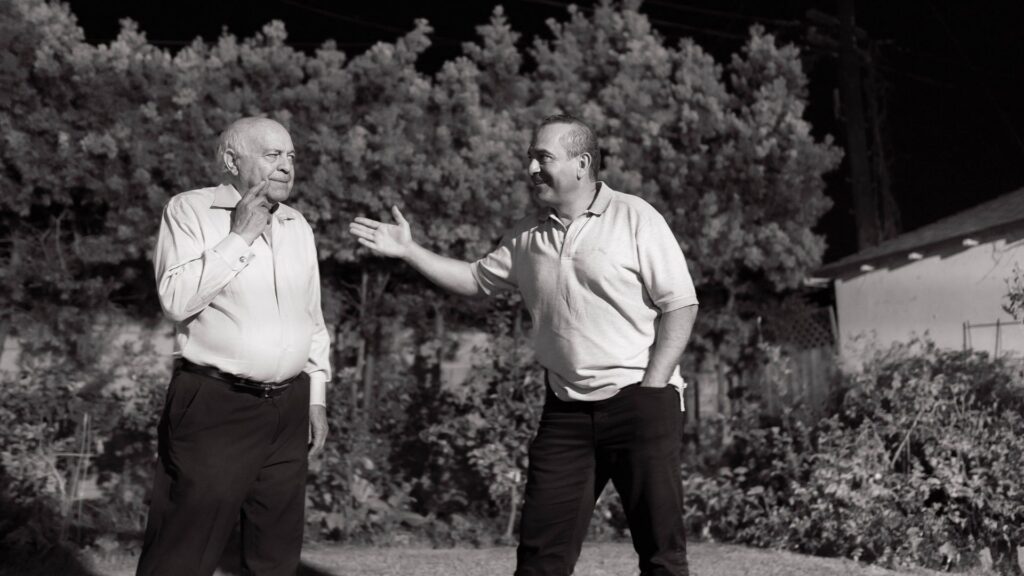
Perkins wrote the book “Die with Zero” and laid out his philosophy to Today, Explained co-host Noel King, according to Vox. He argues that when parents give deserves as much thought as how much they give, a point he says most families overlook. Rather than waiting until their own deaths, Perkins says parents should give ferociously well before that point, so the gift makes its maximum impact on a child’s life.
Perkins pinpoints a specific window for that impact, telling Vox that people are sharpest mentally around age 28 and reach physical maturity around 33, before both begin to decline. He argues a child’s ability to convert money into meaningful experiences peaks in that stretch. At 60, Perkins said, most of a person’s life is already behind them, not ahead of them, the way it is in their late twenties and early thirties.
Vox’s Noel King raised a counterargument, noting that if parents invest and wait, compounding could hand their kids a far larger sum at 60 or 65 than they’d receive at 33. Perkins disagreed. He said no amount of extra capital later makes up for the years of vitality a child loses by waiting, since money only holds value in what it lets someone do while still able to do it.
Some Families Are Already Living This Out

According to Tovima, affluent boomers are already putting some of that thinking into practice, covering child care, rent, down payments and vacations for their adult children. The amounts are often too small to show up in national wealth data, but Tovima reports they still make a meaningful difference in recipients’ lives. Parents also have to decide whether to split gifts equally among children or base them on need.
Rachel and Joseph Rigolino covered down payments for both of their sons, now 39 and 36, and pay about $400 a month toward preschool for their 3-year-old grandson, Tovima reported. Rachel, 61, also opened an investment account holding roughly $10,000 for the child’s future education. Vicky and Dan Graybill, 76 and 78, put an inheritance from Dan’s parents into college accounts for their grandchildren instead of keeping it.
David Hertzberg, 66, told Tovima he put $12,000 toward his son’s closing costs and down payment, and is now covering his daughter’s $2,000 monthly rent for a year while she tries to build a health coaching career. Rance Ryan, 64, has paid part of his youngest son’s rent since the pandemic and is covering his son’s doctoral housing and tuition, plus yearly family trips to Marbella, Spain.
A Personal Choice With No Single Right Answer

Perkins told Vox he does not tell people whether they should leave an inheritance at all, since some parents believe they have already given their children what they need through education and upbringing. For those who do plan to give more, Perkins calls it a deliberate act, describing it as a gift of love and of choice rather than a leftover sum handed down after death.
Not every family agrees on the math. Dan Graybill, a retired psychology professor, and Vicky, a retired law-enforcement officer, estimate their net worth would be twice as high today had they not given so freely to their six children and 15 grandchildren, Tovima reported. Even so, Dan says his family can use the money now more than he can use it watching a stock portfolio climb.
Rance Ryan summed up the appeal of giving early in his conversation with Tovima, asking what good a bundle of money does someone once their parents are gone. He said he would rather travel with his parents while they are alive than inherit a larger sum later. Across these families and Perkins’ own argument, timing keeps surfacing as what shapes how much a gift truly means.
