


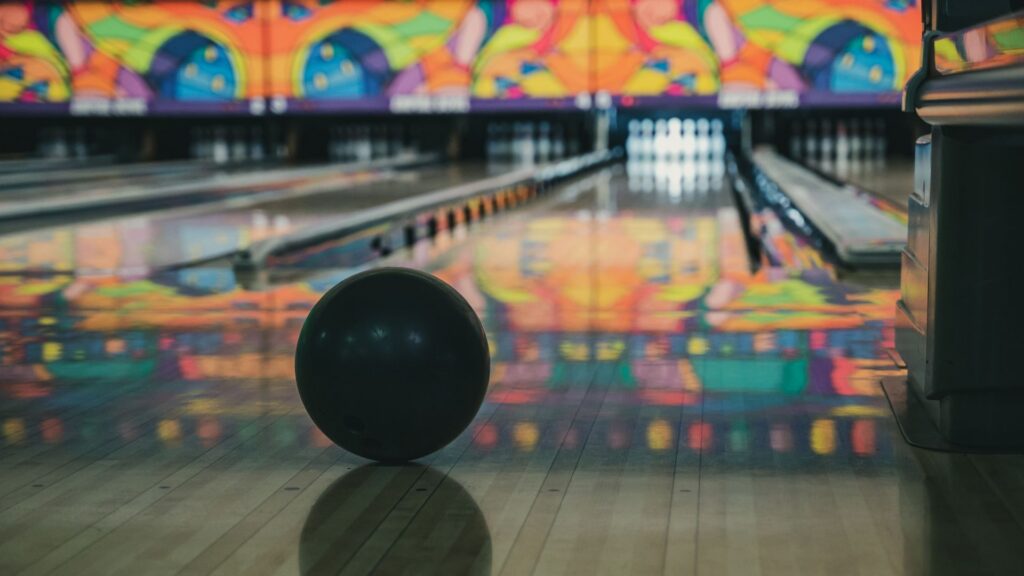
Americans barely see each other anymore. When did you last catch up with a friend in person? Movie theaters, bowling alleys, and other everyday hangouts are vanishing nationwide, with the U.S. losing a fifth of its movie theaters and nearly a third of its bowling alleys since 2001, BLS data show. Researchers who track the losses say the toll goes beyond convenience, changing how often people connect.
America’s Vanishing “Third Places”
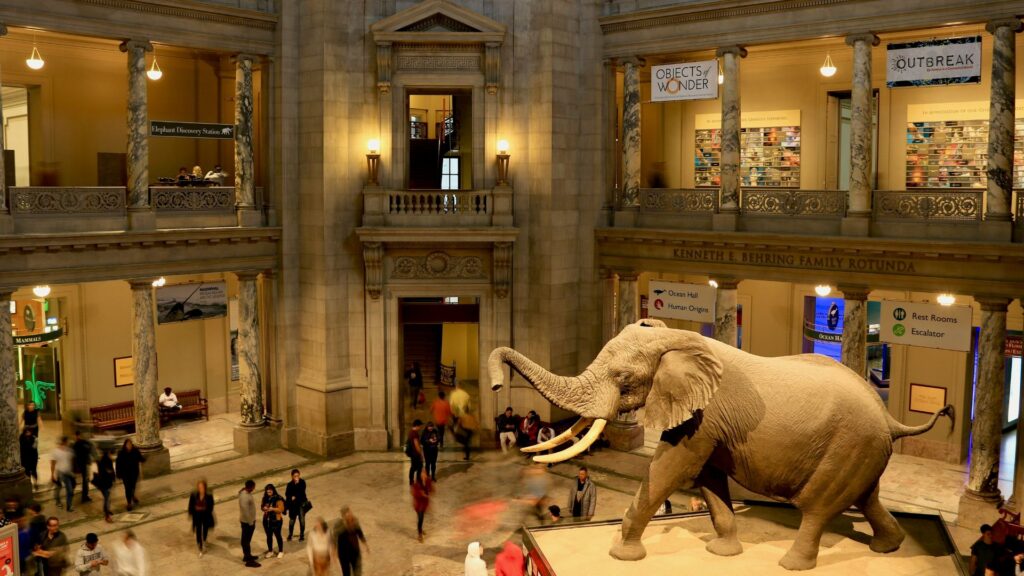
Coffee shops, libraries, museums, recreation centers, and restaurants all count among what sociologists call “third places,” the spots where people gather outside home and work. A 2025 study tracking 12 such categories with Census data found widespread closures across every one from 2019 to 2021. Hitting hardest in rural areas and communities with larger Black, Hispanic, and less educated populations, said Jessica Finlay, a University of Colorado Boulder geography professor.
Rising Costs Are Squeezing Out the Regulars

Finlay agreed the closures are partly an affordability story. “Cost of living is so much more, and gentrification is absolutely happening,” she said, citing a shrinking pool of people who can afford to be regulars anywhere. She traces the closures to forces predating the pandemic: the Great Recession, an oversupply of malls, online retail, and chain consolidation. COVID, she said, accelerated the trend but made people begin to notice.
The Brutal Math Behind Closing Restaurants, Bars and Theaters
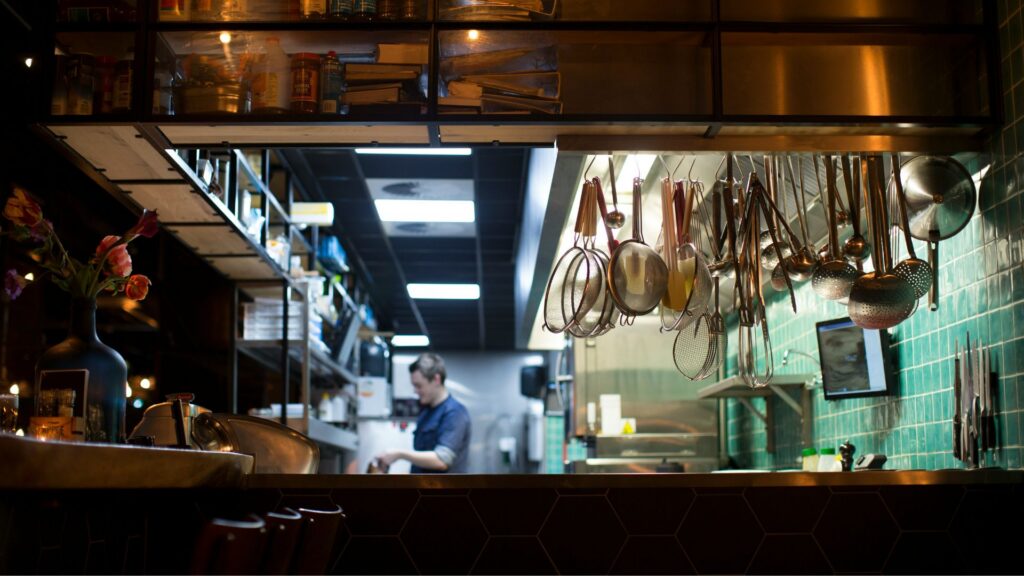
The math has gotten less forgiving. Restaurants have seen food costs rise 38%, and labor costs 35% since 2019, with 45% of operators unprofitable in 2025. Bars face rising insurance costs, with liquor liability premiums up 25% to 40% in some regions. Movie theaters face a real estate squeeze: AMC carries over $400 million in annual interest expense and $850 million in rent, a structure S&P Global Ratings called “unsustainable.”
The Health Toll of a Disappearing Social Life
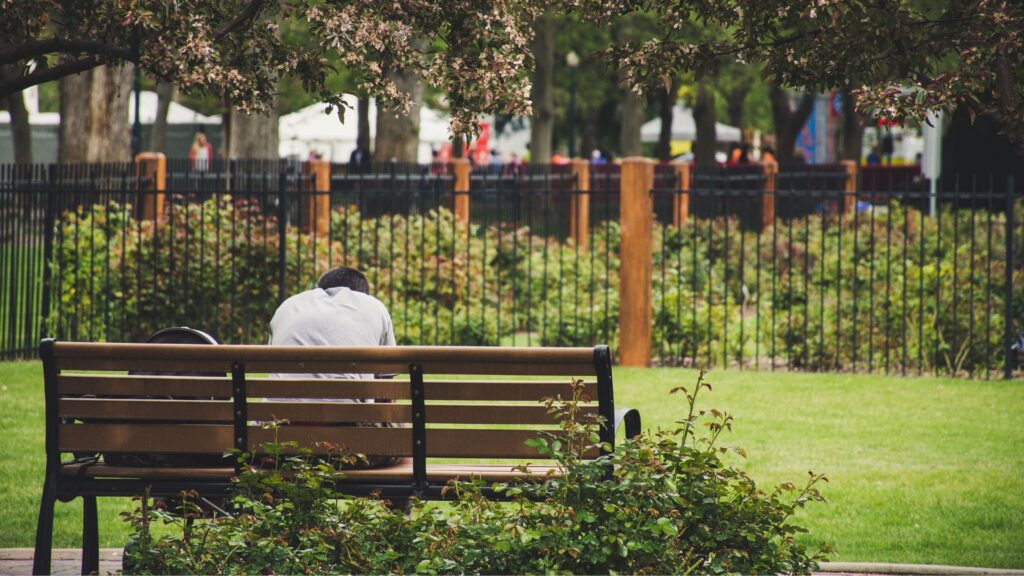
The health stakes are not abstract. Julianne Holt-Lunstad, a psychology and neuroscience professor at Brigham Young University, led a meta-analysis of 148 studies finding chronic loneliness carries a mortality risk comparable to smoking 15 cigarettes a day. The Surgeon General’s 2023 advisory, which she helped author, found socially disconnected people face up to a 29% higher risk of premature death.
When a City’s “Gift” Works Against Its People
Finlay has studied what happens when a gathering spot works against the people it’s meant to serve, something researchers call a “disamenity.” It can come from unaffordability, missing seats, or an unwelcoming environment. Sometimes the design is intentional, with benches removed so people can’t loiter and bike lanes routed around convenience over need. In New York, one district was handed a free public bathroom, then gave it back once upkeep proved unaffordable.
The Fun Shortage Goes Far Beyond Bars and Bowling
Bloomberg Businessweek found the decline goes well beyond bars and bowling alleys. Over two decades, the U.S. has lost 2,000 golf courses and 7,000 bars and nightclubs, and Americans own 1.3 million fewer boats. The BLS Time Use Survey shows double-digit drops in hours spent on arts, sports, and social gatherings since 2003. A 2024 Census survey found almost 80% see friends or relatives fewer than three times a week.
America’s Happiness Ranking Keeps Falling, Even as Gen Z Seeks Connection
The World Happiness Report ranked the U.S. 23rd globally in 2026. Down from 13th a decade earlier, said co-editor John Helliwell, a University of British Columbia economist. He argues fun itself is the overlooked factor, since what matters is not just having connections but how much people enjoy them. Generation Z still seems eager to get out, with a Bank of America survey finding 93% planned summer travel.
Concerts, Vacations and Country Clubs All Cost More Now
Fun keeps getting pricier. A ticket to a top North American concert tour averaged $134 last year, up 42% from 2019, Pollstar estimates. Coastal vacation rentals rose 38% since 2019 to $413 a night, AirDNA data show, while country club fees doubled to $51,500. Park space per person declined in 65 of the 100 largest U.S. cities from 2016 to 2023. A jury ruled Live Nation an illegal monopoly in April.
Why the Movies Are Still Standing
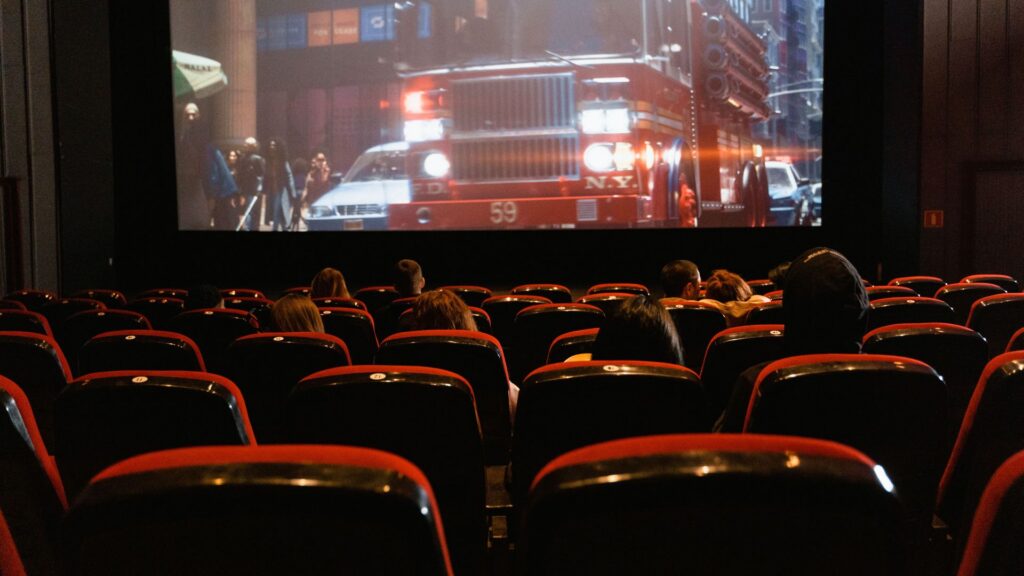
The movies are one outing that has held on. Fortune reported the average cost of a date climbed to $189, up more than 12% in a year, pushing some young adults toward “solo-maxxing,” opting out of dating altogether. Holt-Lunstad’s son paid $30 to see “The Odyssey,” less than the $90 group dinner that left him stressed. New York repealed its dancing ban, and Massachusetts loosened liquor license caps.
