

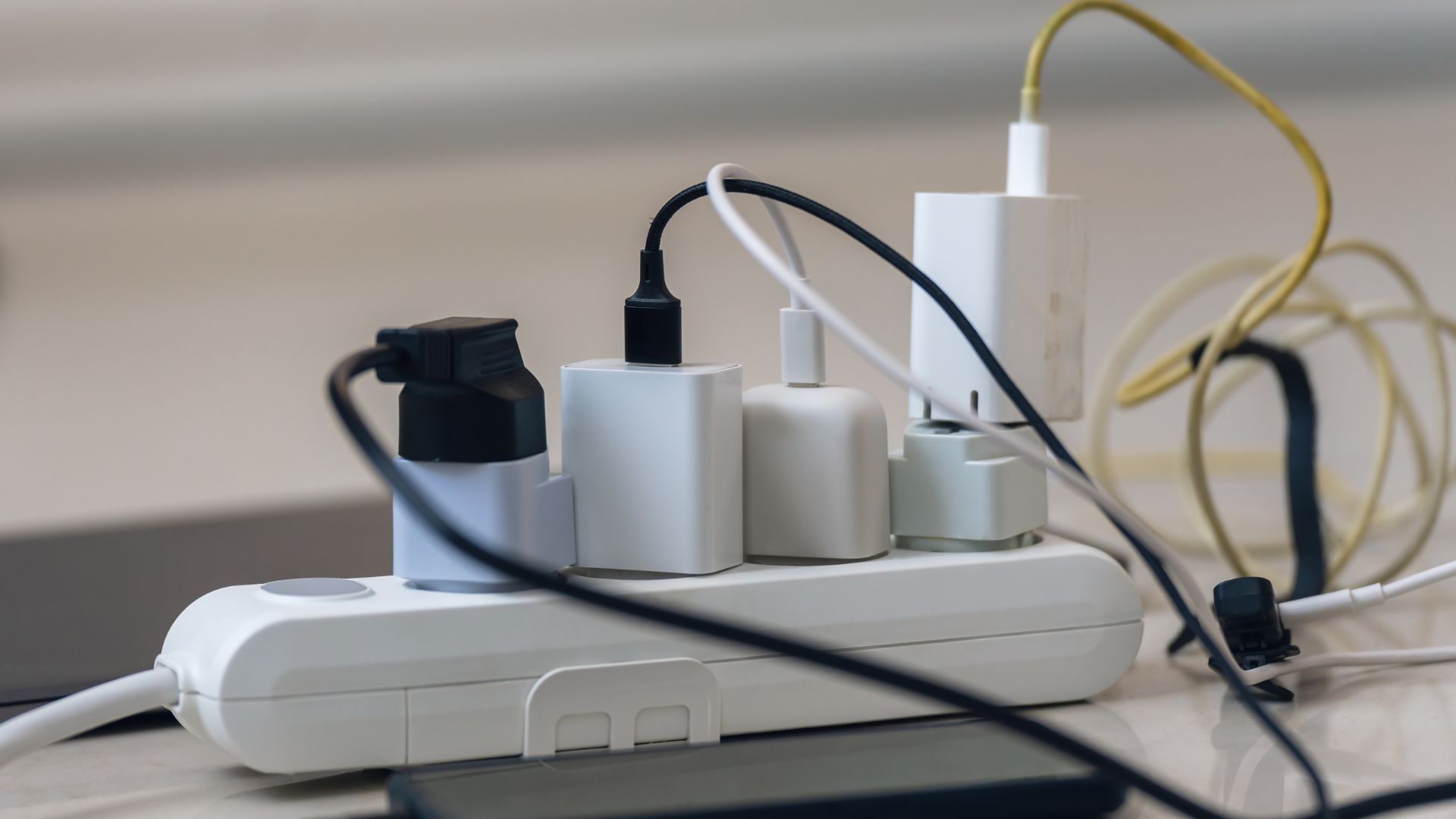
The TV that looks switched off, the game console in rest mode, and the coffee maker with a lit display can all keep pulling power long after you’ve stopped using them. Individually, each draw is small. Added up, the Department of Energy says unplugging devices when they aren’t in use can save a household up to $100 a year, or as much as 10% of its annual electricity use.
Off Doesn’t Always Mean Off
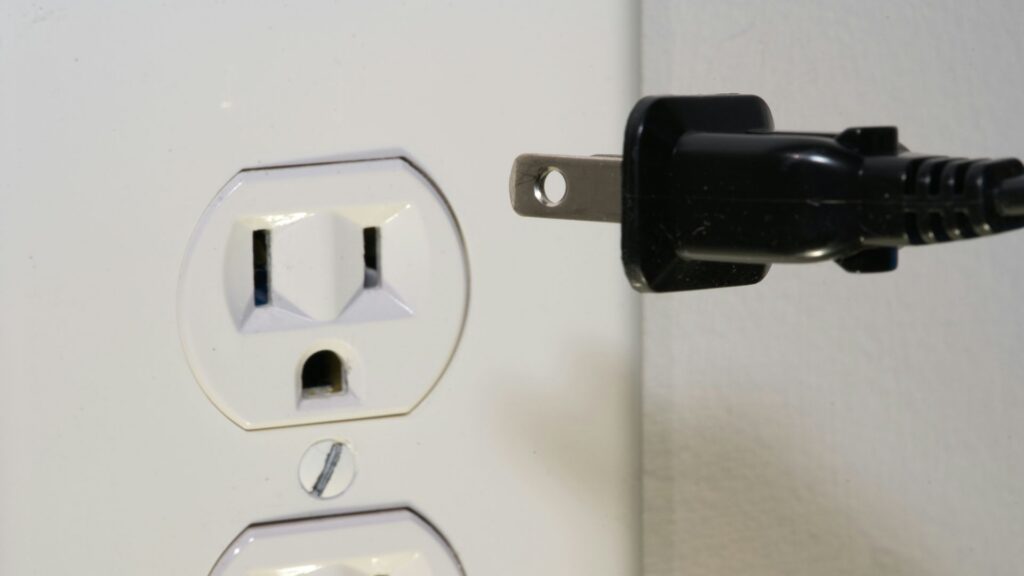
Energy vampire is the term for any device that keeps drawing power while off or on standby, a draw known as a phantom load. The amount swings widely by model and age. A microwave or all-in-one printer bought more than a decade ago can carry a fairly high phantom load. A new one may use a watt or less, partly thanks to Energy Star and the One Watt Initiative.
Your TV, Even in Standby

Televisions have sat near the top of the standby list for years, and smart TVs, with their extra built-in features, keep them there. Most sets likely draw 10 to 20 watts while idle, though some of the newest models use around a single watt. According to SlashGear, standby can account for as much as 20% of a smart TV’s total energy draw, and bigger screens generally use more.
Cable and Satellite Boxes
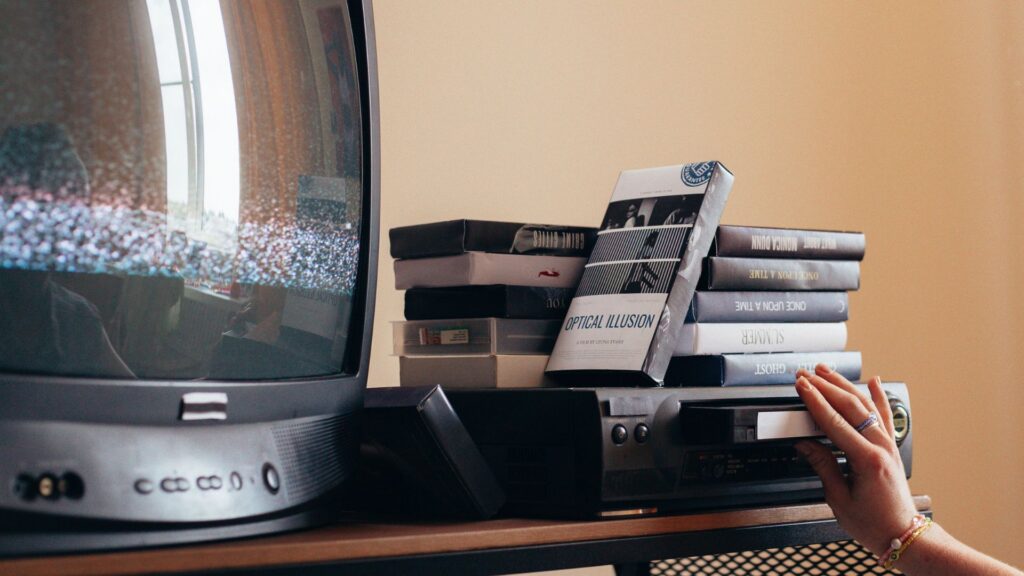
Set-top boxes were notorious for their power use in the early 2010s, and DVR-type models have since cut consumption by as much as 50%. A DVR can still use 25 watts or more, and a basic cable box about 15 watts. At 12 cents per kWh, one 25-watt box costs roughly $26 a year, though another estimate runs closer to $50. DVRs that record games need some standby power.
Game Consoles in Rest Mode

Instant-on and remote game downloads are handy, and they can cost a newer console 10 to 15 watts of standby power. In 2022, UK-based Eurogamer found a year in rest mode costs £9.83 for a PlayStation 5 and £22.60 for an Xbox Series S, while both use about 0.2 watts when properly turned off. For streaming, a console can draw up to 35 times the power of a streaming stick.
Computers and Laptops
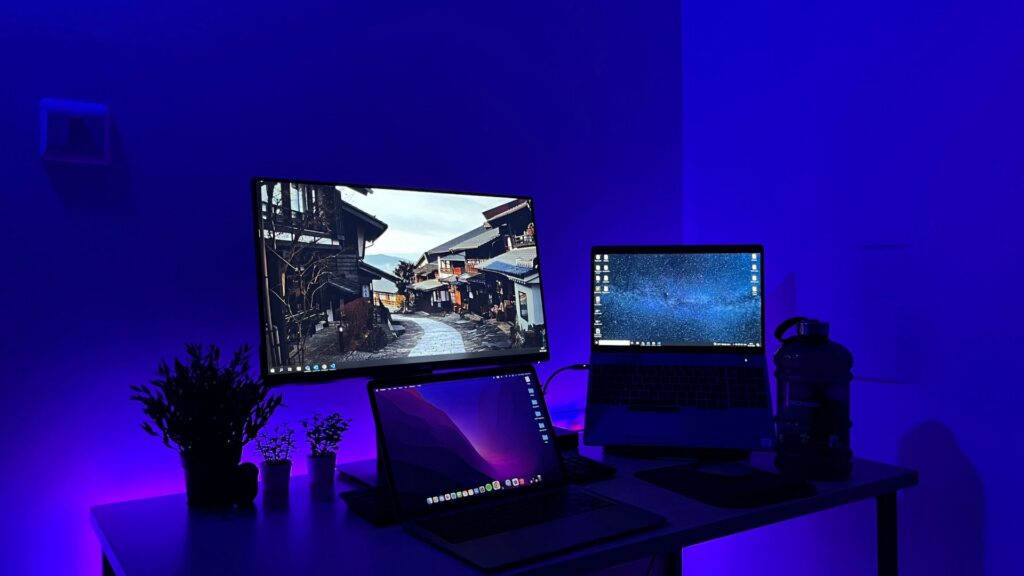
A desktop left running with only its monitors asleep can easily pull 100 watts or more. Sleep mode brings that down to roughly 3 to 10 watts, and hibernation is as good as off, drawing a trivial fraction of a watt. Laptops draw less, at around a watt when fully powered off, 2 to 5 in sleep, and 10 to 30 if left running with the screen off.
Printers and Desk Gear
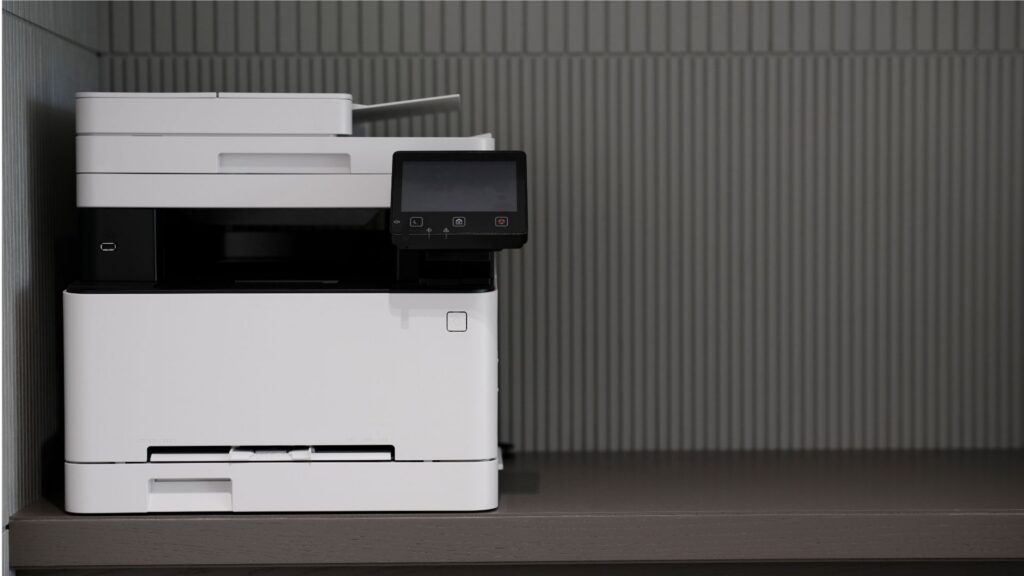
A new small printer without network features may idle at 3 to 5 watts, while a modest office network printer can run 10 to 20. In the UK, households could save £3.81 a year by unplugging a printer, according to the BBC. That’s small, but add a speaker system, a monitor or three and a cordless phone, and a home office can tack on another 5 to 10 watts or more.
Kitchen Appliances
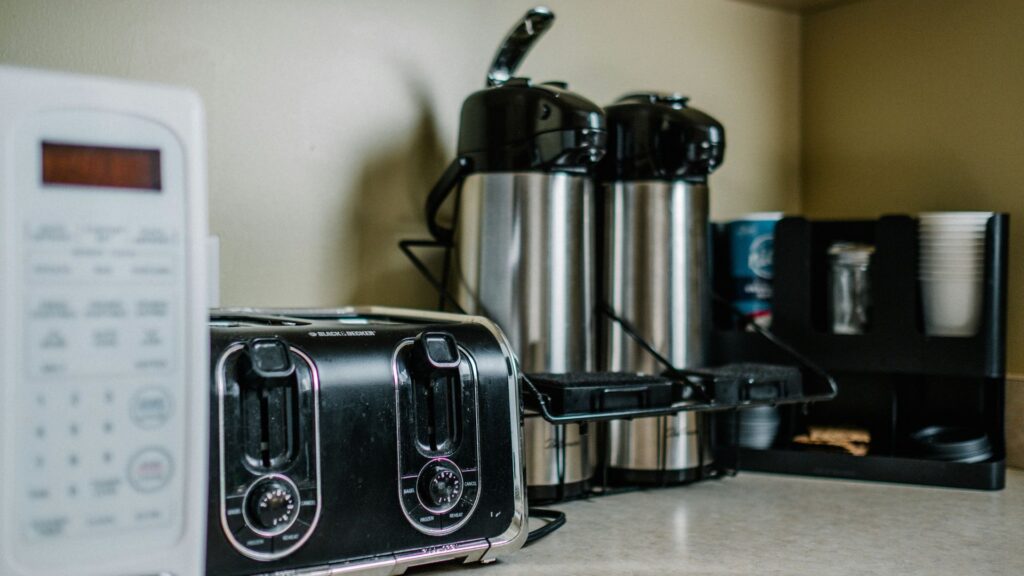
The Department of Energy notes that unplugging small kitchen appliances can save $10 to $20 a year. Coffee makers with auto-start features and long-running hot plates are frequent culprits, along with anything that has a display, including a microwave’s likely always-on clock. Age matters here too, since a very old microwave can idle at 10 to 15 watts, while one bought in the last few years may use just 0.5 watts.
Speakers and Chargers
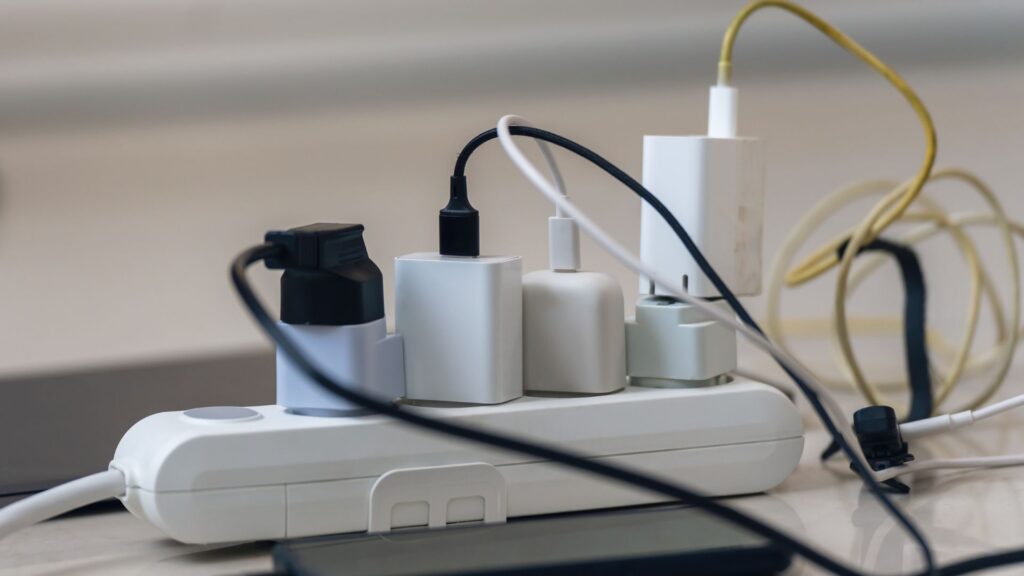
A Google Nest Mini tied into a home audio system uses about 2 watts on standby. A soundbar typically uses 7 to 10 watts, while tower speakers with built-in Bluetooth or a stereo receiver likely use closer to 15. Chargers for cordless drills, leaf blowers, and rechargeable batteries can pull 3 to 5 watts with no battery attached. Phone chargers and smart bulbs use so little it’s hard to measure.
The Yearly Tally

Edison International’s separate estimate is that idle plugged-in electronics can cost a typical household $165 to $440 a year. A switched extension cord cuts power to a TV or console in one flick, and console settings can turn off instant-on features, which should bring standby to a watt or less. A plug-in power meter shows which devices are the worst offenders; older gear tends to idle higher than new.
