


More than half of Americans now say some of the most basic pillars of middle-class life are simply out of reach. According to a February 2026 ABC News/Washington Post/Ipsos poll of 2,589 adults, majorities describe health care, a weeklong vacation, and buying a new car as “unaffordable” for their households . The numbers point to something deeper than temporary frustration. They reflect a broader sense that financial breathing room is shrinking.
The findings show that 74% say a new car is unaffordable, 60% say the same about taking a weeklong vacation, and 56% say health care costs are out of reach. Even everyday spending categories are under strain, with nearly half calling groceries and utilities unaffordable. For many families, these are not luxury purchases. They are routine parts of life that now feel financially risky.
This unease is happening against a backdrop of broader economic concern. In the same poll series, Americans were split on whom they trust to handle the cost of living, and large shares expressed dissatisfaction with how economic issues are being managed. While political views vary, the financial pressure appears widespread and bipartisan.
Health Care Costs Are Driving Hard Trade-Offs

If there is one area where financial strain becomes especially personal, it is health care. Separate research from the West Health-Gallup Center on Healthcare in America found that 62% of Americans reported making at least one day-to-day trade-off to afford medical care. That means skipping meals, cutting back on utilities, or spacing out prescriptions just to pay doctor bills or insurance premiums.
Another Gallup poll found roughly one-third of Americans are cutting daily spending to cover medical costs . Eleven percent said they had skipped a meal in the past year to meet health care expenses, while others reported borrowing money or delaying prescription refills. These are not abstract statistics. They show how medical bills can ripple into every corner of household budgets.
The strain crosses income levels. While lower-income households report the greatest hardship, even middle- and upper-middle-income families say they are postponing major life decisions because of health care expenses. In other words, affordability concerns are no longer limited to the poorest Americans. They are reshaping financial planning across the income spectrum.
The High Cost of Cars and Everyday Mobility
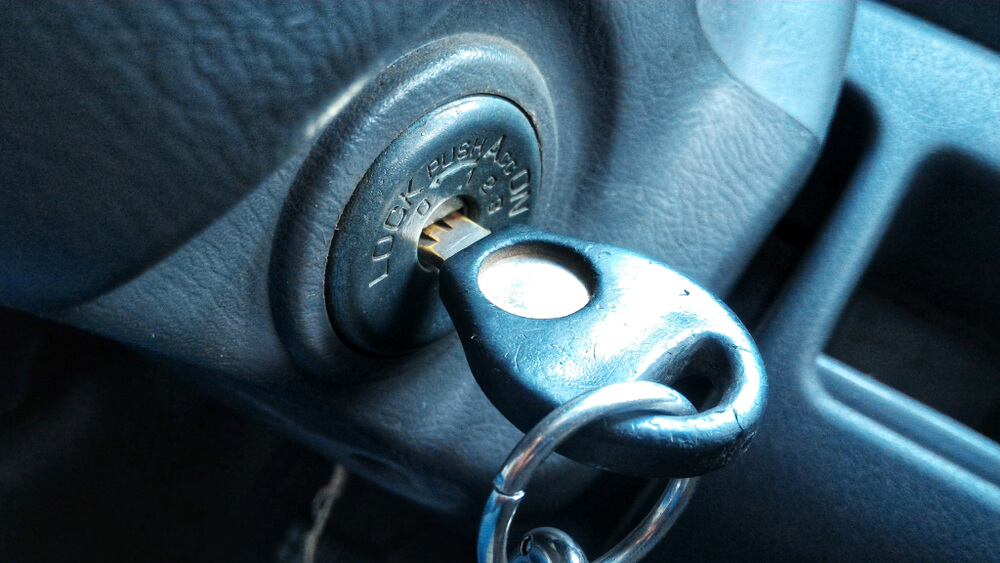
For Americans who need reliable transportation, the math has become increasingly unforgiving. The average price of a new car reached about $50,000 by late 2025, a record high that is putting pressure on household budgets. At the same time, interest rates on auto loans have climbed significantly compared with just a few years ago, making monthly payments steeper.
Industry analysts say affordability is the core challenge. Cox Automotive predicts new car sales will decline in 2026, while used car sales are also expected to dip . Even incentives that once helped offset sticker shock are not as generous as they were before the pandemic. As a result, some buyers are stretching loans to six years or longer just to lower monthly payments.
This reality aligns with the poll findings showing that nearly three-quarters of Americans consider a new car unaffordable. For many households, owning a car is not optional. It is essential for commuting, childcare, and basic errands. When transportation becomes financially strained, it affects access to work and opportunity itself.
Vacations, Debt, and the Shrinking Middle-Class Cushion
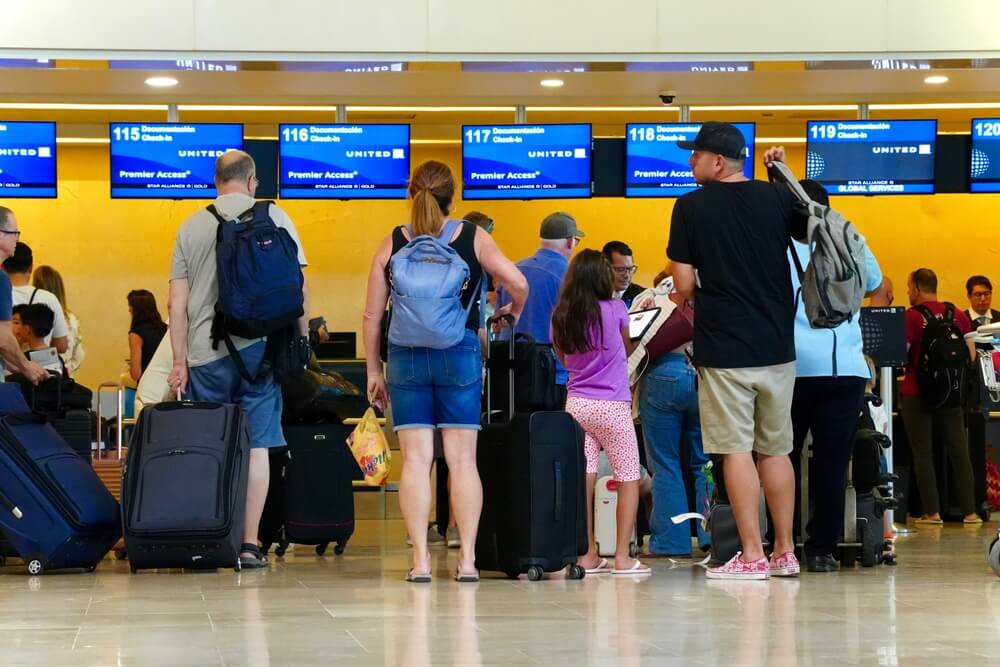
The affordability squeeze extends beyond necessities. Sixty percent of Americans say taking a weeklong vacation is unaffordable. While vacations may seem discretionary, they are often seen as markers of financial stability and quality of life. When families cannot afford even modest travel, it reflects limited financial flexibility.
Debt levels help explain part of the picture. Forty-six percent of Americans report having at least some debt outside of a mortgage, including credit cards, auto loans, student loans, or medical debt. Fifteen percent say they have “a lot” of debt. That ongoing burden can crowd out savings and reduce the ability to absorb rising costs.
At the same time, a slim majority say they have “just enough” to maintain their standard of living. Only a minority report getting ahead financially. That narrow margin leaves little room for emergencies, price spikes, or unexpected bills. When health care, transportation, and even small comforts feel unaffordable, it signals that many households are operating without a meaningful cushion.
