



Americans have soured dramatically on four-year college degrees, with nearly two-thirds now saying they’re not worth the cost, according to a new NBC News poll. Just 33% of registered voters believe degrees justify their price tag because of better job prospects and lifetime earnings, while 63% say graduates leave school without job skills and are buried in debt. The shift marks a stunning reversal from 2013, when 53% called degrees worthwhile and only 40% disagreed, signaling a crisis in higher education’s core promise.
The Decline Happened Rapidly Across Just 12 Years
The erosion of confidence moved steadily over the past dozen years. By 2017, Americans were virtually split, with 49% saying degrees were worth it and 47% disagreeing. That represented the first major crack in the longstanding belief that college guaranteed upward mobility. The 20-point drop from 2013 to now, from 53% to just 33% calling degrees worthwhile, reflects what Democratic pollster Jeff Horwitt calls a remarkable shift in a central tenet of the American dream that once seemed aspirational and full of opportunity.
Every Demographic Group Changed Their Minds About College

The sentiment shift cuts across virtually every group, not just those without degrees. Horwitt, of Hart Research Associates, noted the breadth is particularly surprising because even college graduates have turned skeptical. The NBC News poll surveyed 1,000 registered voters in late October 2025 using telephone interviews and text-based online surveys. The margin of error sits at plus or minus 3.1 percentage points, but the scale of movement far exceeds any statistical uncertainty, revealing a fundamental shift in how Americans view higher education’s core promise.
Republicans Lead The Skepticism

Republicans show the largest shift in sentiment. In 2013, 55% of Republicans called college degrees worth the cost, while 38% disagreed. Now just 22% say degrees are worthwhile, while 74% call them a bad investment. Democrats moved from 61% to 47% over the same period. The different patterns mirror broader political changes, as Republicans have drawn more support from voters without college degrees while Democrats have attracted more degree holders, reshaping how both parties view education.
Even College Graduates Question Whether Their Degrees Were Worth It

Less than half of voters with college degrees now see those credentials as worth the cost, dropping from 63% in 2013 to just 46% today. Those without degrees have grown even more skeptical, with 71% now calling four-year programs not worthwhile compared to a roughly even split in 2013. Bureau of Labor Statistics data confirms that degree holders still earn more and face lower unemployment than those with less education, yet the perception of value has collapsed despite these continuing wage and employment advantages.
Tuition Costs Doubled While The Job Market Transformed

The price of college explains much of the skepticism. College Board data shows the average inflation-adjusted cost of public four-year college tuition for in-state students has doubled since 1995, while private four-year college tuition jumped 75% over the same period. Despite small recent declines, costs remain crushing. Jacob Kennedy, a 28-year-old Detroit server and bartender with a two-year degree, told NBC News he’s watched friends with four-year degrees quit “grown-up jobs” within a year to return to service industry work because entry-level salaries couldn’t touch their student debt.
The Debt Burden Overwhelms Entry-Level Salaries
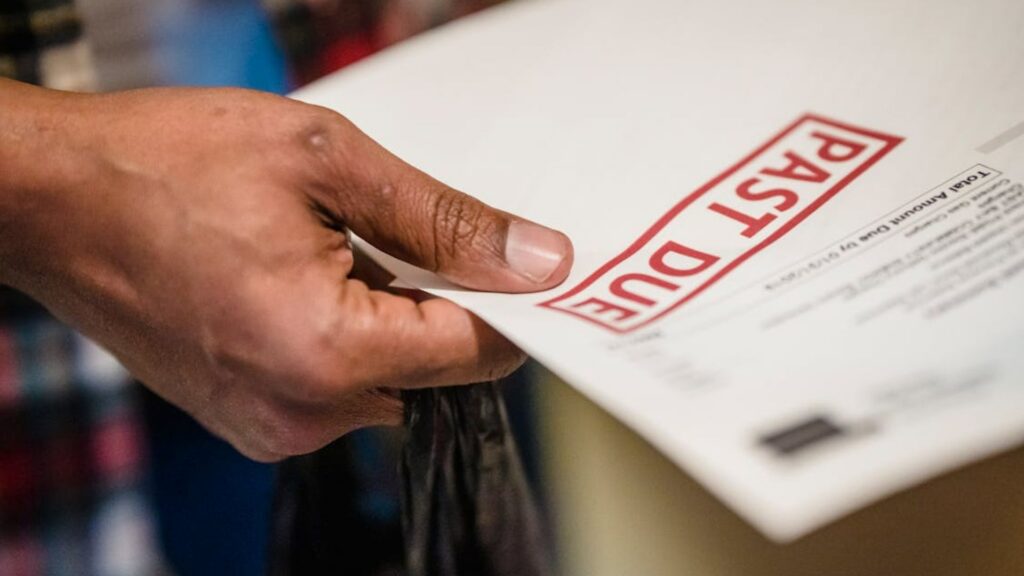
Kennedy believes an educated populace matters most for a country, but crushing debt undermines everything. He reflected on countless college graduates working alongside him in restaurants and bars, unable to use their degrees because loan payments consume their paychecks. The cost overwhelms the value, he explained, when jobs available to new graduates pay too little to service the debt incurred earning credentials for those very positions. Preston Cooper, senior fellow at the American Enterprise Institute, said enough exceptions to the ‘bachelor’s degree always pays off’ rule have emerged to rupture the narrative entirely.
Students Increasingly Choose Faster Paths Into The Workforce

Interest in technical, vocational, and two-year degree programs has soared as students grow wary of four-year degree risks. Cooper noted that they’re seeking any pathway that enables them to earn income more quickly. Josiah Garcia, a 24-year-old Virginia resident, recently enrolled in a four-year engineering program after working as an electrician’s apprentice because he saw direct effects on earning potential. But he argued that friends who studied art or theater couldn’t say the same, suggesting degrees for “softer skills” should cost less than STEM credentials.
Colleges Lost Their Connection With Large Parts Of America

Gallup polling shows a marked decline in public confidence in higher education over the last decade, though with a slight recent uptick. Jessica Burns, a 38-year-old Iowa insurance worker with a bachelor’s degree, told NBC News she believes degrees remain essential because many employers won’t grant interviews without them. She frames this as societal gatekeeping rather than intrinsic value, saying credentials matter as “the key to even getting in the door.” She graduated from community college and state school without major costs, but said her husband’s private college debt will burden them “forever.”
Affordability Will Shape The Next Generation’s Choices

Burns said millennials saddled with enormous debt despite professional success will approach their children’s education differently, forcing society to reckon with accessibility. Horwitt called this both a political problem and a real crisis for higher education, as colleges lost connection with Americans based on affordability and now appear out of touch. If society values degrees, he argued, it must make them affordable. The rapid transformation of attitudes reflects not just economic calculation but a fundamental break in trust between institutions and the people they claim to serve.
