

Imagine reaching for a $20 bill that no longer exists anywhere in America. No paper money, no coins, only apps and cards. For most people, that sounds like a mild inconvenience at worst. But for millions of Americans locked out of the banking system entirely, a fully digital economy wouldn’t just be inconvenient. It would cut off their only reliable way to buy food, pay rent, or receive money at all.
Cash Use Has Nearly Halved Since 2015
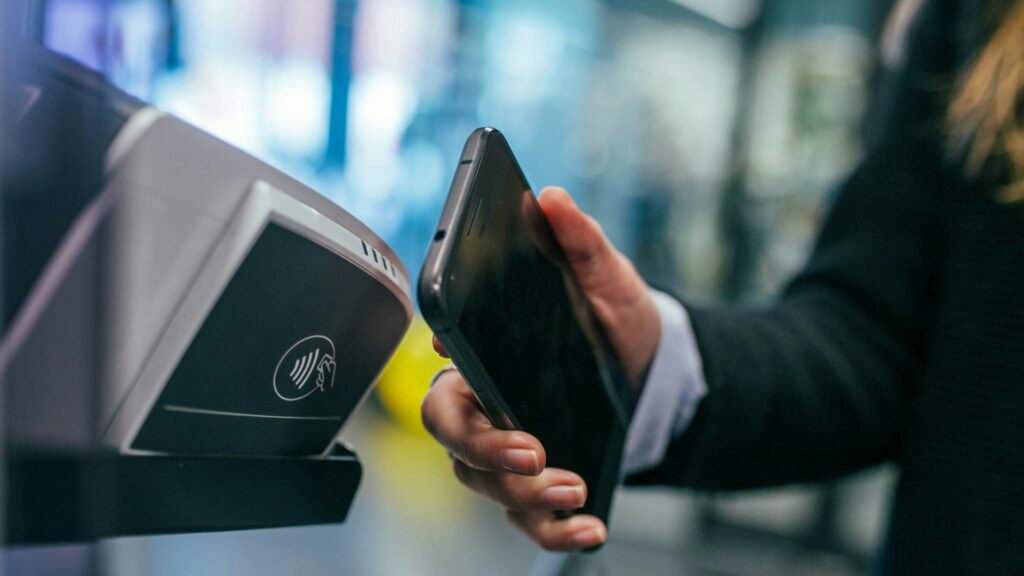
About 41% of Americans now say none of their purchases in a typical week involve cash, up from 24% in 2015, according to Pew Research Center. Digital wallets like Venmo and Apple Pay have made tapping a phone or swiping a card the default for groceries, gas, and coffee runs. Cryptocurrency added another layer of momentum, even after a rocky year of high-profile losses shook confidence in parts of the digital-asset market.
Nearly 6 Million Households Have Nowhere to Put a Digital Dollar
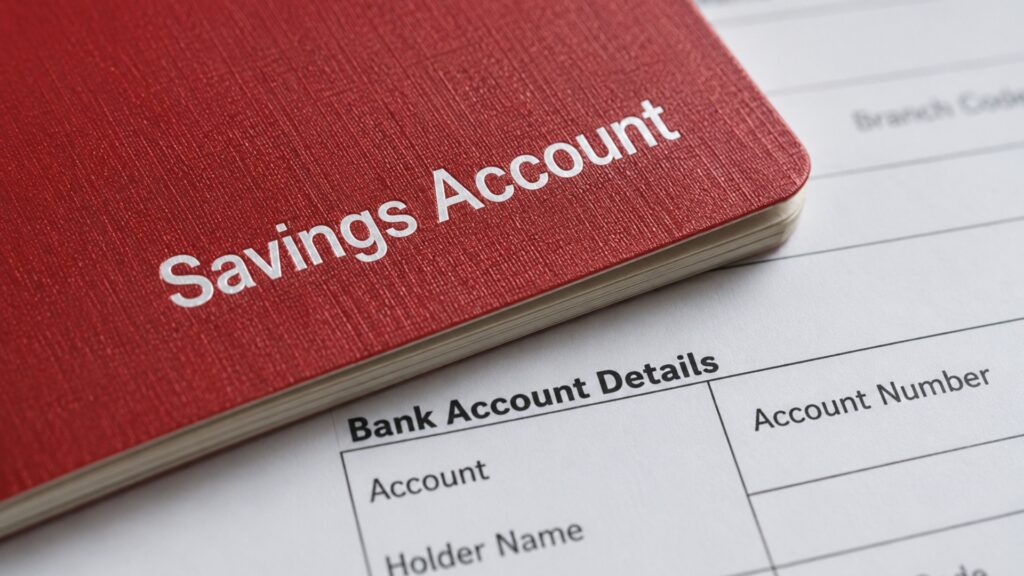
An estimated 5.6 million U.S. households, or 4.2%, had no checking or savings account as of the FDIC’s latest survey. Bill Maurer, an anthropology professor at UC Irvine, said those households would be shut out entirely if paper money vanished. “If paper money goes away, those people are stuck with no way to pay,” he said, pointing to inequality already built into the financial system.
Stimulus Checks Already Showed What Goes Wrong Without Cash
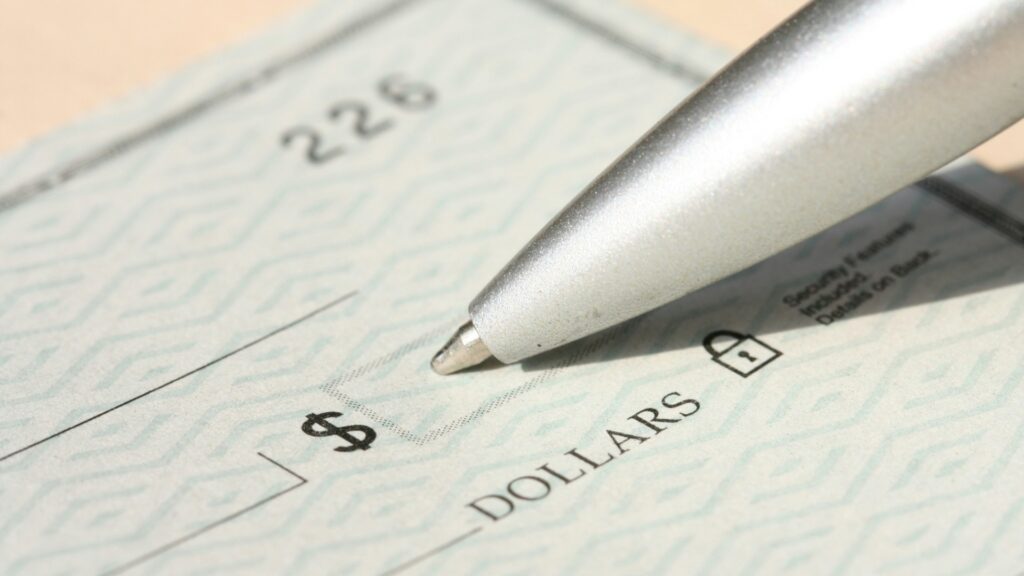
Maurer pointed to an earlier warning sign: pandemic relief payments sent to unbanked households. Many arrived as prepaid debit cards that charged fees after a single withdrawal, or as paper checks that cost money to cash through third-party services. Without a bank account, even receiving emergency funds came with a built-in penalty, a preview of what routine transactions could look like under a fully cashless system.
Every Tap of a Card Leaves a Trail Cash Never Does
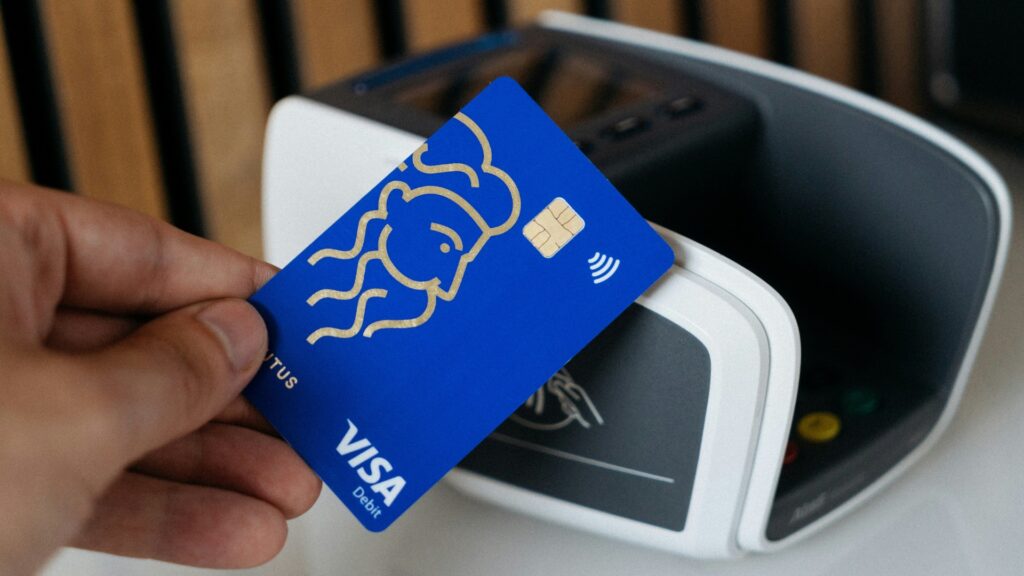
Handing someone a $20 bill creates no record anywhere, Maurer said: “There is no data captured by anybody from that transaction…it’s a relatively anonymous private thing, whereas all digital forms of payment generate data trails.” He warned that in a worst-case scenario, governments could use those digital trails to monitor spending or cut people off from financial services over disapproved activity.
Sweden and the Netherlands Still Tell Citizens to Keep Cash on Hand

Even the world’s most cashless societies haven’t abandoned paper money entirely. Maurer noted that Sweden and the Netherlands, both far along in ditching cash, still recommend residents keep some on hand for emergencies. Hurricanes and other weather disasters have knocked out power grids before, disabling ATMs and card readers alike and leaving physical bills as the only payment method still working.
An Economist Tried Paying Taxes in Cash. It Took Half an Hour.
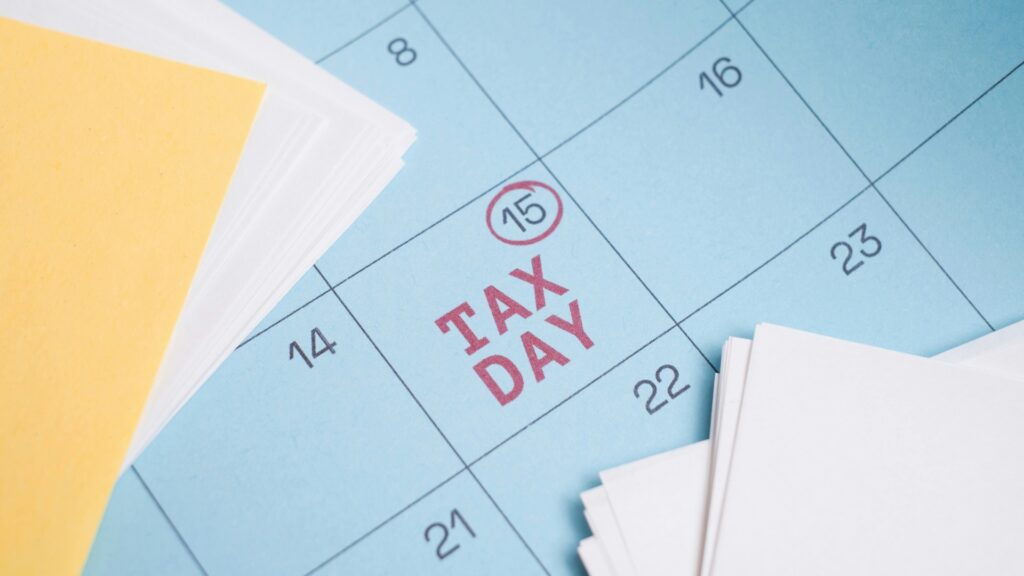
Boston University economist Jay Zagorsky tested how ready the government actually is for a cashless holdout. After booking an appointment at a high-security federal building, he paid the IRS in cash, only to watch staff fill out what he described as a “four-part carbon form” by hand. He said the exercise was meant to push the IRS toward making cash payments easier, not to discourage cash use.
Congress Just Banned the Federal Reserve From Building a Digital Dollar

A government-issued digital currency once looked like cash’s likely successor. That changed in 2026, when Congress passed a law barring the Federal Reserve from issuing a central bank digital currency through 2030. Christina Skinner of the Wharton School had already argued a digital dollar wouldn’t fix much anyway, since most people’s distrust of banks has nothing to do with technology.
The Federal Reserve Says Its Job Is Facilitating Choice, Not Picking a Winner
Despite the shift toward digital payments, the Fed has never pushed to phase out paper money. Maurer said the central bank’s official position is to facilitate choice in payment methods while remaining neutral on which one people use. Nearly 60% of Americans still pay cash for at least some purchases in a typical week, according to Pew, giving the Fed little reason to retire bills anytime soon.
Cash Keeps Adapting Instead of Disappearing
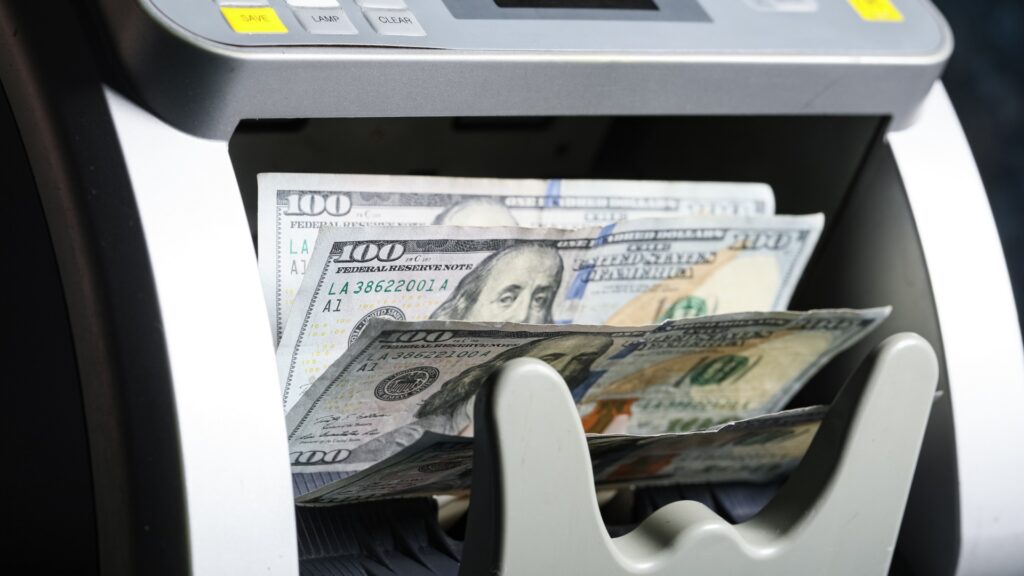
Paper money keeps evolving rather than vanishing. Countries including Canada and Hong Kong have added tactile and braille features to help visually impaired users, proof that cash remains a functioning piece of financial technology. As Maurer put it, “Cash always works… All I have to do is give it to you, and then I have transferred value to you.” Going fully cashless would trade that simplicity for millions of people’s exclusion.
