

Vehicle leasing has long been a reliable way for Americans to drive a new car every few years, but it’s fading quickly. Before the pandemic, leases made up about 30% of new vehicle sales, according to research firm JD Power. Dealers say demand for leasing hasn’t disappeared, but the monthly payments buyers now face have climbed so high that many are turning to financing, changing how people shop for cars.
What a Lease Actually Involves, and How Far It Has Fallen

With a typical lease, drivers make monthly payments for about three years, then either buy the car at a predetermined resale price or return it to the lender, often the automaker’s own finance arm. Leasing sank to 17% of the market during pandemic-era vehicle shortages, and recovered to just 23% of new car deals in the first half of 2026, still short of pre-pandemic levels, Reuters reported.
Dealers Say Buyers Still Want Leases, Just Not the New Prices

David Ferraez, a General Motors dealer in New Jersey, sees it every day, he told Reuters. “The customer still has a desire to lease,” Ferraez said. “The big challenge is getting the customer to accept the much higher payment.” He’s not alone. Dealers nationwide are seeing customers return to renew a lease only to find their new monthly rate running a few hundred dollars higher than before.
Automakers Pulled Back the Subsidies That Made Leasing Cheap
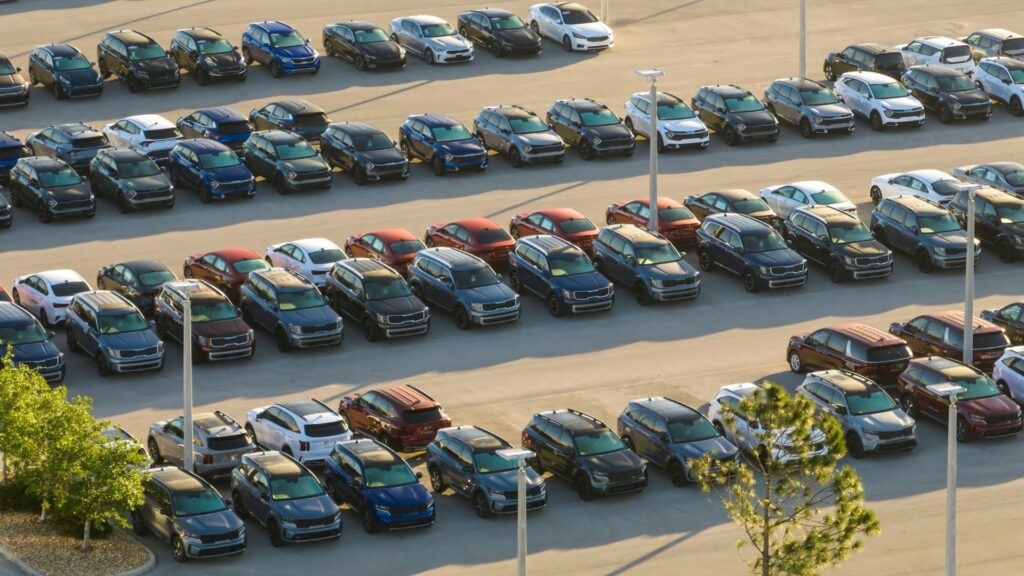
Leasing used to come with deals, where automakers boosted a car’s projected resale value or lowered its built-in interest rate to keep payments low. That changed after the 2021-2023 computer-chip shortage taught automakers that tighter inventories reduce the need for such incentives. “Automakers learned a lot from the tighter inventories experienced during the pandemic from 2021-2023,” said Nick Mintzias, CEO of automotive platform DriversHub.
Falling Used Car Values and Higher Rates Push Payments Up
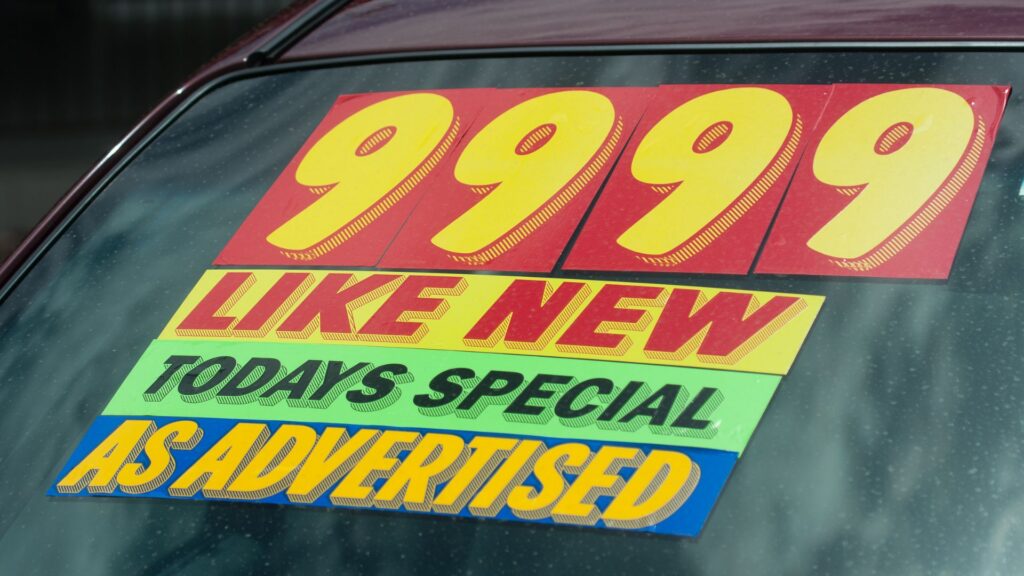
Two more forces are driving lease payments higher, according to AutoGuide. As pandemic-era used car values cool off, lenders are setting more conservative resale value estimates for vehicles coming off lease, which raises the monthly cost for new lessees. At the same time, elevated interest rates have pushed up the financing charge built into every lease contract, narrowing the payment gap between leasing and a long-term loan.
Leasing Still Costs Less, Just Not by Much
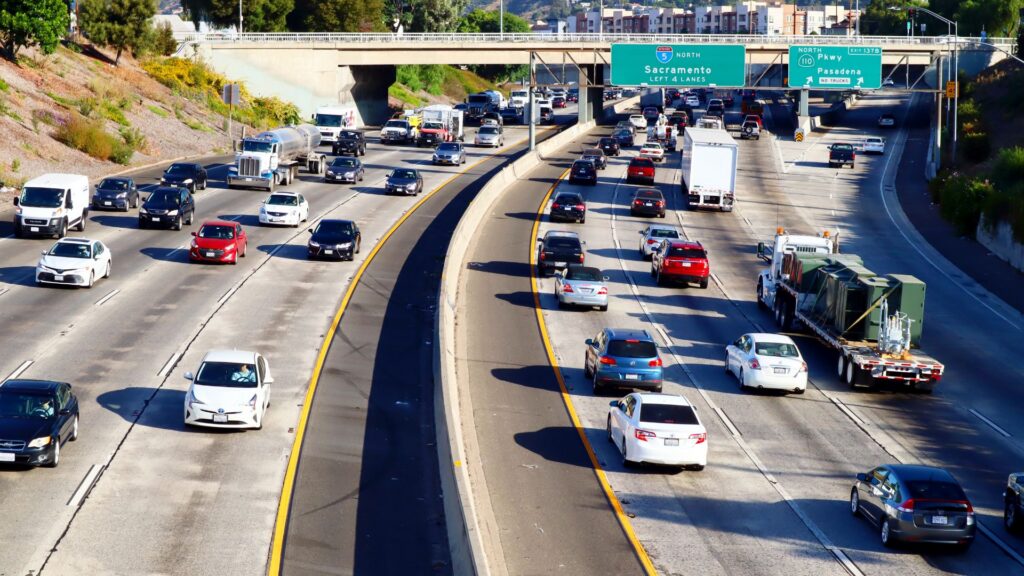
Leases still beat financing on price. The average lease payment runs about $650 a month compared with $800 for financing a new vehicle, according to JD Power. But the gap has narrowed considerably. “They’re still nowhere near as good as they used to be,” said Ivan Drury, director of insights at car-shopping site Edmunds, describing how far lease deals have slipped from their pre-pandemic value.
The Best Lease Deals Are Getting Harder to Find
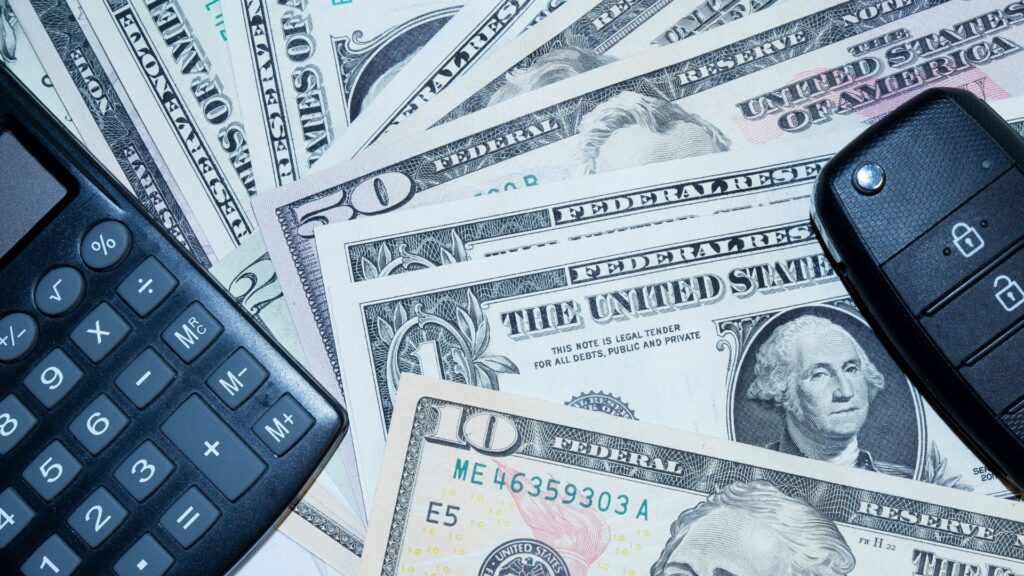
Patrick Peterson, head of content at automotive data provider GoodCar, said lease deals have grown selective. “Now, the most favorable programs are more likely to relate to vehicles with high inventory, unpopular configurations, outgoing model year,” Peterson said. Edmunds data shows a Honda CR-V still leases for $496 a month versus $665 financed, proof that some bargains remain for shoppers who look.
One Dealer’s Lease Business Cut in Half Since 2022
At John Luciano’s Volkswagen dealership in Amarillo, Texas, leasing now makes up about 30% of new-vehicle sales, down from 65% in 2022. He said a VW Atlas SUV now costs $130 more per month to lease than it did a couple of years ago. “It creates a lot of defection,” Luciano said. A Volkswagen spokesperson said the brand “remains fully committed to leasing,” citing its role in loyalty and sales.
Long-Term Loans Are Filling the Gap Leasing Left Behind

Long-term loans are filling the gap left by leasing. 84-month loans made up 23% of new-vehicle purchases in the second quarter of 2026, Edmunds reports, and Honda has seen a similar rise even as its own lease rate stayed above average at 26%. “Leasing used to be a lower price point. That may not always be the case anymore,” said Lance Woelfer, Honda’s vice president of automobile sales.
Where Leasing Goes From Here for Luxury Cars and EVs
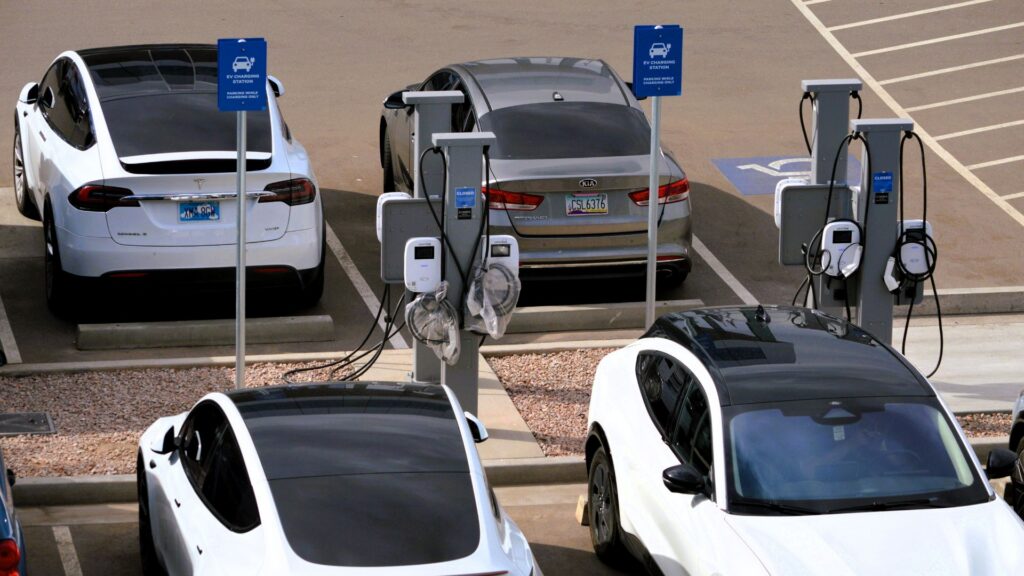
Fewer off-lease vehicles mean less pre-owned inventory, and three-year-old used vehicles now cost 43% more than before the pandemic, according to Edmunds. “It is in part because there are so few leases,” Drury said. Leasing has traditionally held strongest among luxury and electric vehicle buyers, though even EV leasing fell to 47% in 2026 from 75% in 2025 after a federal tax credit expired, pushing mainstream buyers toward financing instead.
