

The phrase doesn’t appear anywhere in the Declaration of Independence. It wasn’t uttered by Thomas Jefferson, Benjamin Franklin, or any of the men who signed it. The “American Dream” as Americans know it today is barely a century old, and when it first caught on, it wasn’t selling anybody a house or a car. It was sounding an alarm.
The term took hold during the Great Depression, coined by historian James Truslow Adams in his 1931 bestseller “The Epic of America.” Adams was writing in the wreckage of the 1920s, a decade of excess that had just collapsed into economic ruin. According to Sarah Churchwell, professor of American Literature and Culture at the University of London, Adams treated materialism as an illness and his new phrase as the antidote.
Adams was explicit about what he didn’t mean. He wrote that the American dream was never, in his words, “a dream of motor cars and high wages merely.” He meant something closer to a democratic ideal, a shared belief that ordinary citizens could build lives of dignity regardless of birth. That definition would not survive the century intact.
A Rival Historian Says the Story Starts Even Earlier
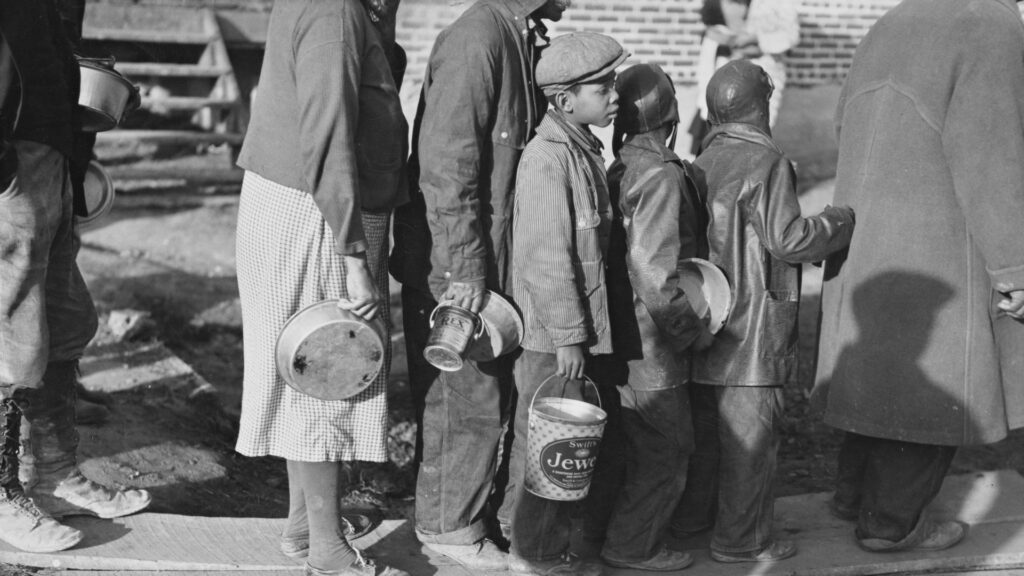
Adams believed in loftier goals, egalitarianism, freedom, opportunity, justice for all, and watched them slipping away in the grip of the wealthy. But not every historian agrees the dream ever carried that much philosophical weight to begin with.
Historian Michael D. Hattem, author of “The Memory of ’76: The Revolution in American History,” argues the American dream was never really about broad abstract ideals at all. In his reading, it was always simpler than that: land acquisition. What changed in the 1920s wasn’t the dream itself, Hattem says, but how openly people were willing to talk about it.
Hattem points to religion as the reason materialism stayed unspoken for so long. Chasing wealth for its own sake carried an irreligious taint well into the 19th century. “You’re not supposed to chase any kind of reward in this life, because the real reward is in the next life,” he says, explaining why the ambition simmering beneath American life rarely got named until the Gilded Age forced it into the open.
FDR Quietly Rewired the Dream Around Homeownership
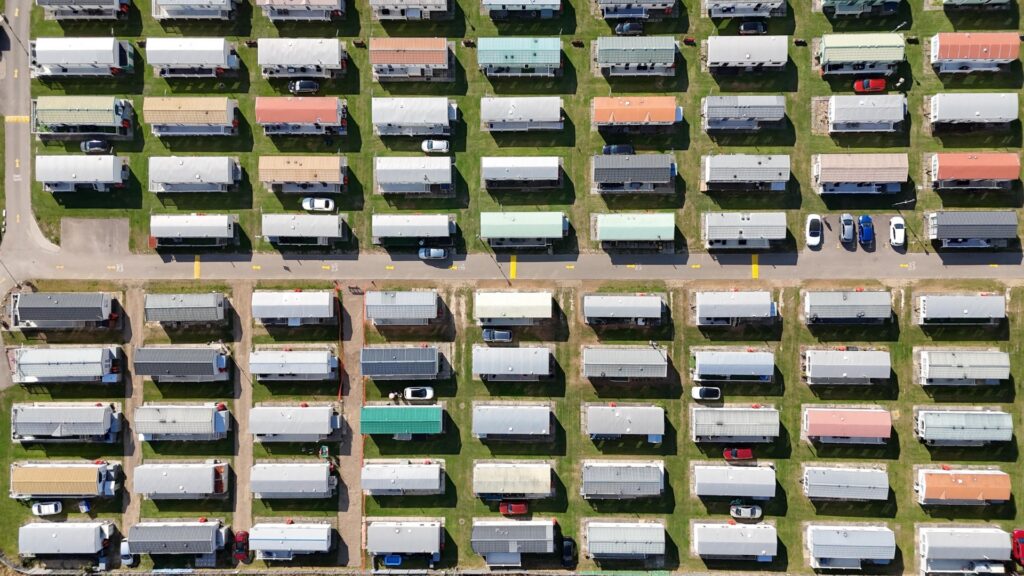
By the postwar era, the meaning had already begun sliding toward material comfort. Historian David Farber described it as a shift where “a better life” stopped meaning simple economic security and started meaning genuine abundance, according to a piece by American Public Media.
Franklin Delano Roosevelt was the first president to tie the dream directly to owning a home, Churchwell notes, and presidential language carries weight that shapes national rhetoric. His New Deal programs and the G.I. Bill fueled the postwar economy, and government-backed loans suddenly made buying cheaper than renting, even for the upper middle class.
Churchwell is careful to note that FDR’s version was still rooted in security and independence, not yet the suburban abundance that would follow. But the shift had begun. Editorials started describing the dream as a home of one’s own, and the imagery of the picket fence started attaching itself to the phrase for the first time.
The Superrich Adams Warned About Are Exactly What Worried Him Most
Under Truman, the dream fused with free-market capitalism and Cold War politics. By the 1960s, advertisers had fully absorbed the new formula, with campaigns showing suburban families posed proudly beside their two-car garages. Volkswagen’s 1967 ad “Keeping Up with the Kremplers” captured just how far the mass-consumption version of the dream had traveled from Adams’ original warning.
Author Edward Humes, who wrote “Over Here: How the G.I. Bill Transformed the American Dream,” insists the goal was never personal fortune. “What the American dream was never about is becoming a millionaire. It was about the middle class,” Humes says, describing it instead as the achievable promise of a secure, comfortable lifestyle.
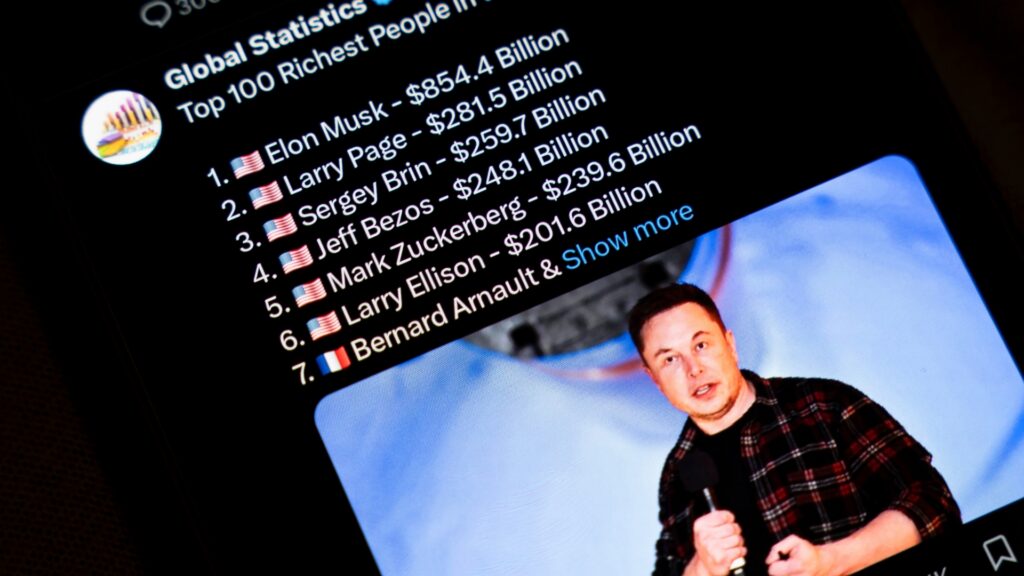
That distinction is exactly what Adams feared losing. He viewed the superrich as a existential threat to the very idea he’d named, warning that the dream would die the moment it stopped protecting ordinary people from concentrated power and started protecting concentrated power from ordinary people. Nearly a century later, that warning reads less like history and more like a live question.
