



When Linda Jensen’s father died unexpectedly, his jewelry store went with him. No exit plan, no valuation, no successor. The family sold their inventory for far less than it was worth, not because the business had failed, but because no one had prepared for this moment. “That experience profoundly shaped my belief that exit planning is not optional,” said Jensen, now founder and CEO of Heart Financial Group. “It’s a responsibility.”
Her story reflects a crisis unfolding nationwide. A generation of Baby Boomer entrepreneurs is approaching retirement, and many are doing so without a clear plan for what happens next. Researchers and advisors call it the Silver Tsunami, a term that captures just how many small businesses are expected to change hands, or quietly close, as their founders step away over the next decade.
Project Equity estimates that Boomer-owned businesses represent one in six U.S. jobs. According to a 2025 U.S. Bank report, nearly half of small-business owners are 55 or older, yet only about 54% have a succession plan. The U.S. Small Business Administration notes that small businesses employ more than 62 million Americans and account for roughly 43% of U.S. GDP.
The Planning Gap Is Bigger Than Most Owners Realize

For many owners, the lack of a plan isn’t intentional. Carolyn Rodz, cofounder of small business platform Hello Alice, says most businesses are so tied to their owner that without documented processes or a transition plan, selling becomes difficult. In family-owned companies, she adds, the challenge deepens with emotional dynamics, legacy pressure, and generational tension complicating every decision.
The gaps tend to cluster around the same issues. Rodz points to missing business valuations as a top pitfall, often producing price expectations that push buyers away. Owners also frequently overlook legal and financial basics like buy-sell agreements and estate planning, and many underestimate how difficult knowledge transfer can be. Each of these gaps can trigger unexpected costs or, in the worst cases, force a liquidation nobody planned for.
Research from the Exit Planning Institute found that nearly half of business owners exit involuntarily due to what it calls the “five D’s”: divorce, disability, disagreement, economic duress, and death. Cameron Kolb, founder of ExitPros, points out that even available support has limits, with SBA resources focused more on launching businesses than exiting them and state-level help varying widely. He recommends starting the exit process at least two years out.
What a Planned Transition Actually Looks Like

Erik and Kassie Hansen built Greenway Painting in Jackson, Wyoming, over 12 years. By 2024, 90% of their revenue came from commercial clients, and 85% of that from repeat customers, relationships built over the years. When retirement came into view, the decision felt personal. “Especially in a small town, clients are like friends when you work with them for years,” Erik Hansen told Fox Business. “You want to make sure they get well taken care of.”
Through American Operator, a firm that pairs retiring owners with experienced operators, the Hansens connected with Anthony Douglas, a former U.S. Air Force Combat Controller who had run his own painting company in Tucson, Arizona. “It was a relational business,” Douglas told Fox Business. “Greenway was pretty successful without any advertising or marketing.” In October 2025, he became CEO and a day-one equity partner, acquiring a 10% stake with a structured path toward majority ownership.
William Fry, founder of American Operator, sees transitions like Greenway’s as exactly what’s at stake nationally. Small businesses, he told Fox Business, are “huge creators of wealth” and “the most pure version of the American Dream.” His firm’s goal is to preserve that at scale, connecting retiring owners with the next generation of operators and ultimately opening small-business ownership to everyday Americans.
The Threat Is Real, but So Is the Opportunity
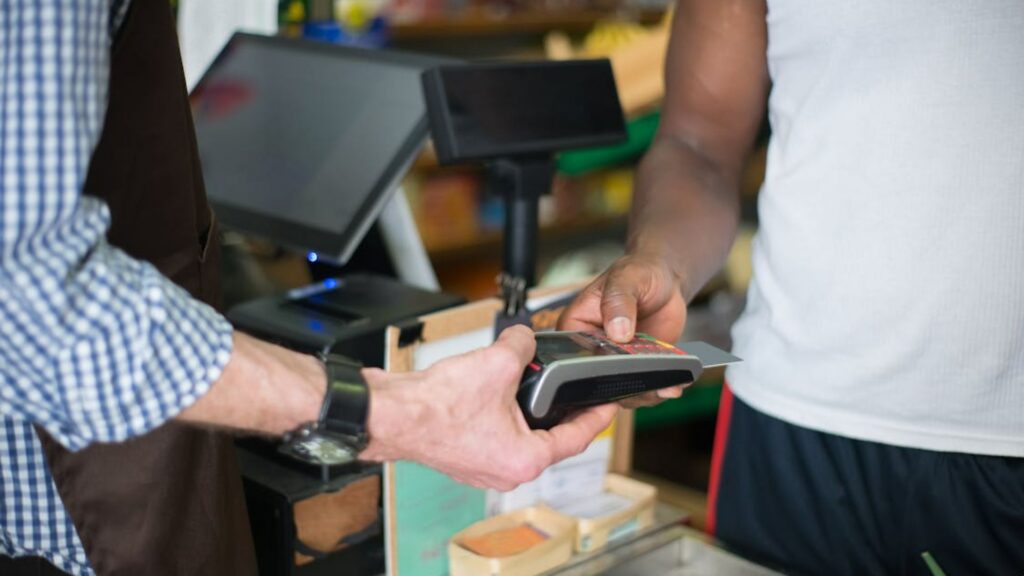
Widespread closures would reach far beyond any owner’s retirement. Shuttered businesses mean job losses, weaker household incomes, and spending shifting toward national chains, leaving communities economically and culturally diminished, according to Forbes. Separately, a McKinsey report from February estimated the broader decade-long impact could reach tens of millions of jobs and hundreds of billions in lost local spending and tax revenue.
The same wave also creates a real opportunity. With far more businesses available than buyers, it amounts to what analysts describe as a genuine buyer’s market, with favorable valuations and flexible deal structures like seller financing and earnouts. Younger buyers can also bring fresh advantages, injecting technology, digital marketing, and operational efficiencies into established businesses that already generate steady revenue. Entrepreneur reports an estimated 10 to 11 million small businesses for sale at any given time.
Jensen still returns to the questions she now asks every owner she advises. “If you couldn’t work in your business tomorrow, would it still take care of you and everyone who depends on it?” she said. “And if you sold it, would your life still feel meaningful? If either answer isn’t a confident yes, the work needs to begin now.” The Silver Tsunami isn’t approaching. For millions of owners, it has arrived.
