



Millions of adults still keep a jar of coins on the counter, a stash of cash in a drawer, or a piggy bank that outlasted childhood. Some keep separate envelopes for groceries, travel, or emergencies. Banking apps track balances in real time, yet the physical habit persists. The reasons have more to do with how the brain processes control, safety, and reward than with nostalgia or a resistance to technology.
Why Cash Feels More Real Than a Card Swipe
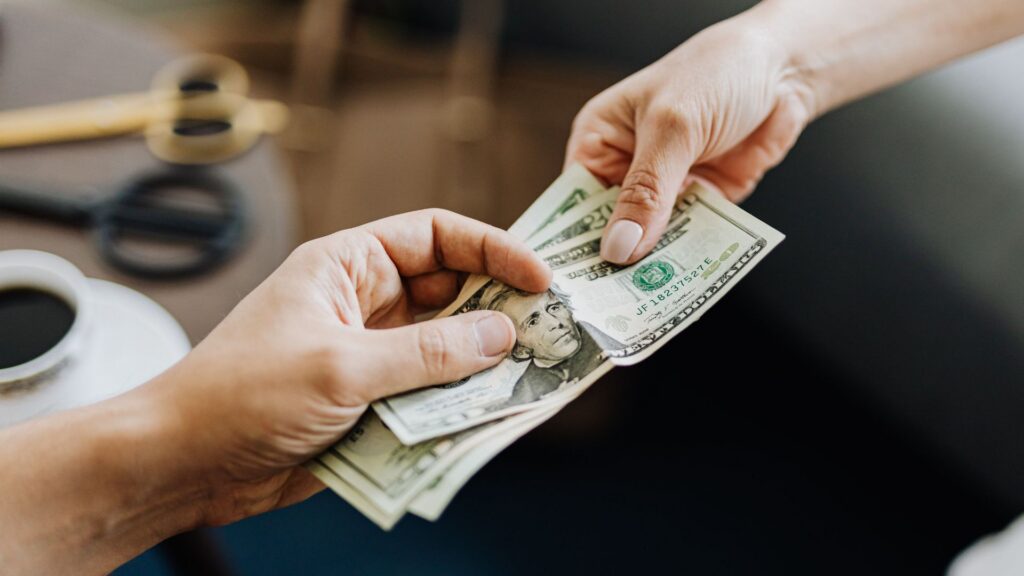
Part of it comes down to the Tangibility Effect, the idea that people respond more strongly to things they can touch and see than to numbers on a screen. Swiping a card often feels effortless, almost invisible, while handing over cash feels different. That distance is part of why digital spending is easy to lose track of, while a jar’s growing weight is hard to ignore.
Inside the Brain When Money Changes Hands
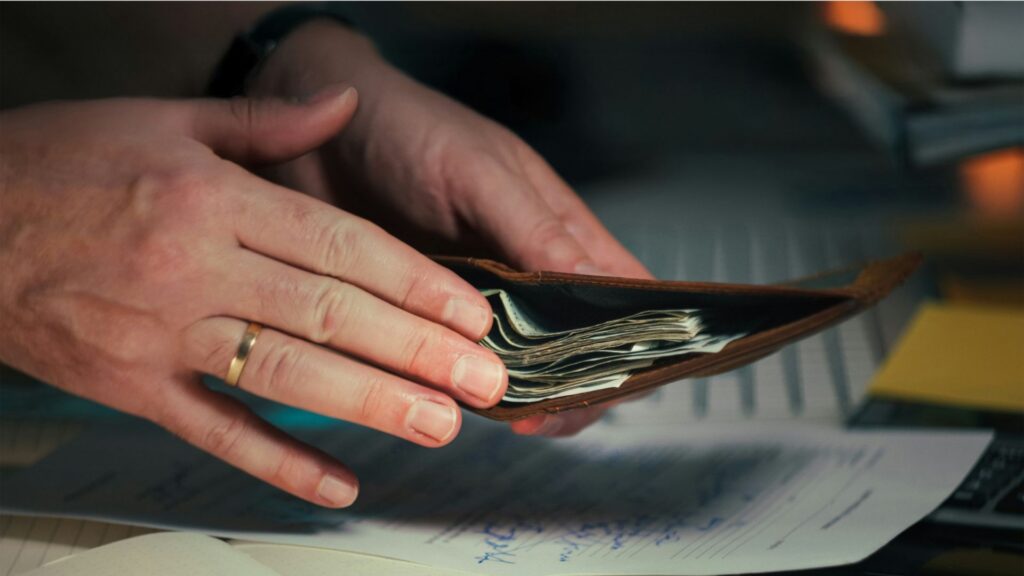
There’s a reason it feels different once the money actually changes hands. A 2021 MIT Sloan study found that credit card purchases activate the brain’s reward center, the same dopamine pathway linked to addictive drugs, while cash purchases do not trigger that response at all. The act of physically parting with money instead registers as a loss, bringing people back into their bodies, where choices carry more weight.
A Therapist’s Case for Paying in Cash

Vessy Tasheva, a psychoanalytic psychotherapist and financial therapist based in Dublin, Ireland, has her clients pay in cash at the end of each session rather than by card or automatic transfer. Money, she said, plays a role in the emotional dynamic between client and therapist. Whether someone forgets to pay, overpays, or tries to renegotiate a fee, she treats each moment as worth exploring.
Why a Filling Jar Feels So Motivating
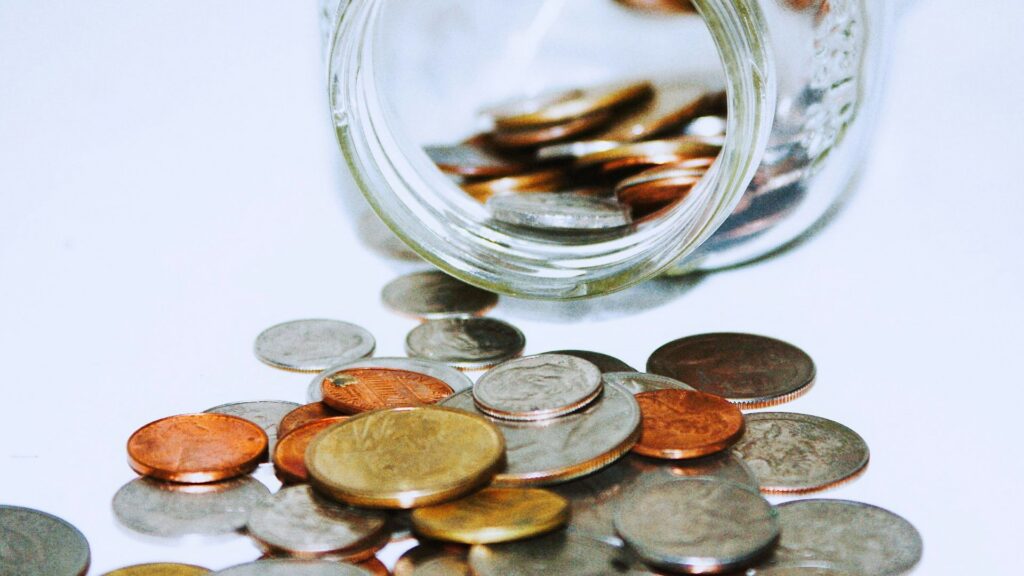
Behavioral psychologist Clark Hull identified this pattern decades ago, describing how people grow more motivated as they can visibly see themselves getting closer to a goal, a concept that became known as Goal Gradient Theory. A jar filling with coins delivers that feedback right away, and the progress is hard to ignore. A savings app, by comparison, only shows a number that changes quietly in the background.
Turning Uncertainty Into Something You Can Control

Psychologists describe this pull toward saving through Compensatory Control Theory, the idea that people seek out areas of life where they can create certainty. Inflation, job instability, and rising costs rank among the most common modern stressors. Adding a coin to a jar becomes a small, repeatable act of control, a quiet reminder that the future is being prepared for, which can ease feelings of helplessness.
How Childhood Shapes Adult Saving Habits

Ivan Pavlov’s work on classical conditioning offers another piece of the puzzle. Many adults were first introduced to piggy banks as children, often alongside praise from parents and a real sense of pride while watching coins pile up. Those early associations between saving and achievement can persist for decades, so the jar itself becomes a symbol of safety rather than just storage.
The Small Habits That Keep Anxiety in Check
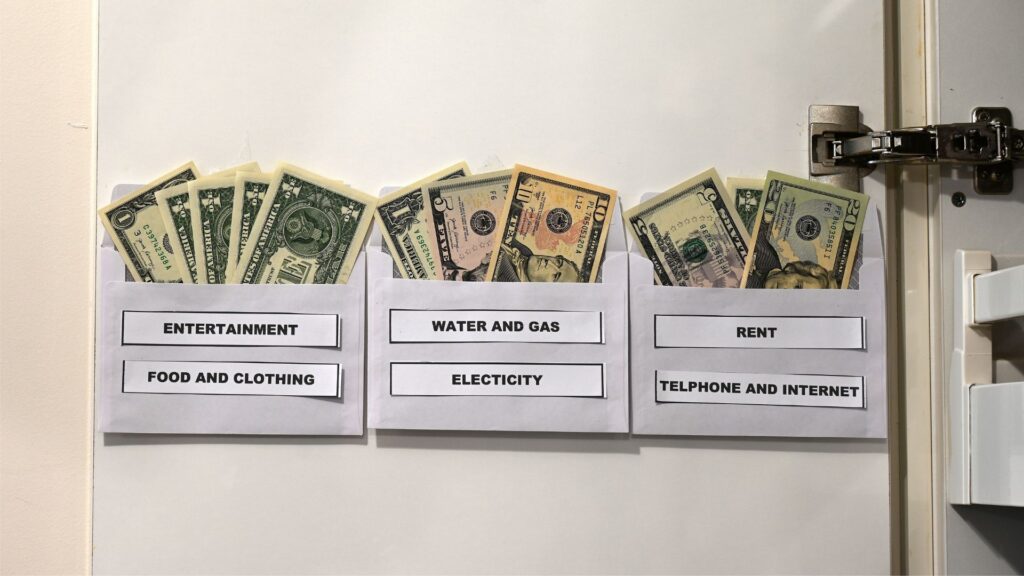
Small financial habits carry their own psychological benefit. Behavioral Ritual Theory links steady, repeated actions to lower stress and calmer emotions, and saving often works the same way. Dropping spare change into a jar each evening, setting aside cash on payday, or keeping separate jars for vacations and emergencies all reinforce that pattern. The routine matters as much as the amount saved. Doing it on schedule becomes its own reward.
Why Younger Generations Are Rediscovering the Jar

The habit is making a comeback among Millennials and Gen Z, many of whom now practice cash stuffing and physical budgeting, sharing videos of sorting money into envelopes and jars online. Part of the appeal lies in what behavioral economists call immediate reinforcement. A goal like $20,000 can feel out of reach, but adding $10 to a jar today feels achievable, and small wins build momentum toward the larger one.
The Real Reason the Habit Endures

More than a century ago, Sigmund Freud argued that money deserved the same serious attention as a patient’s dreams, since it is never truly neutral. That idea still holds up. Call it old-fashioned, but adults who save in jars may be answering a basic need for visible progress, certainty, and control. In the end, the coins add up to more than savings. They add up to peace of mind.
