

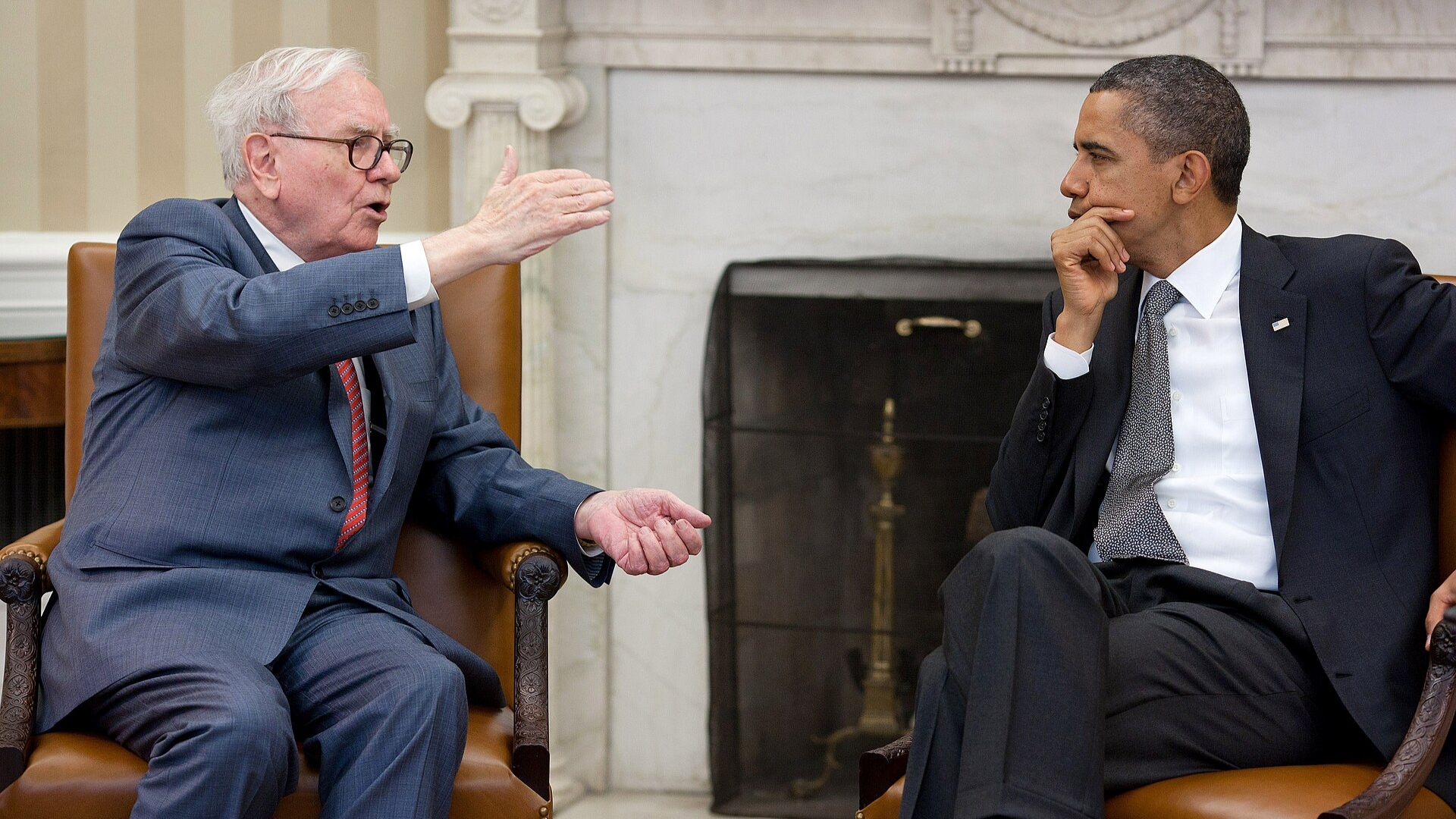
Warren Buffett turned 95 and stepped down as CEO of Berkshire Hathaway on December 31, 2025, handing the company to Greg Abel after six decades at the helm. Retirement hasn’t quieted him down. Between his final shareholder letter and a string of interviews since, he’s kept repeating the same warnings, most of them aimed straight at people living off their savings. Here are seven money moves he tells retirees to avoid.
Selling in a Panic Is the Mistake Buffett Warns About Most
In his final letter as CEO, Buffett pointed out that Berkshire’s own stock has fallen roughly 50% three times since he took over, and told shareholders not to despair over drops. At the 2025 annual meeting, he dismissed that year’s volatility as “really nothing” compared with real downturns he’s lived through. For a retiree, selling during a slide locks in a loss with far less runway left to recover it.
An 8% Dividend Yield Is Usually a Warning Sign, Not a Gift

Buffett built his own dividend income around durability rather than size, holding Coca-Cola through every cycle because its payout has climbed for more than 60 straight years. Berkshire’s Kraft Heinz stake tells the opposite story: the company cut its dividend in 2019, and under new CEO Greg Abel, Berkshire moved in 2026 to exit the position entirely. A sky-high yield is often the market pricing in a cut retirees can’t afford to be surprised by.
Buffett Just Called a Popular Trading Trend “Pure Gambling”
“Our favorite holding period is forever,” Buffett wrote in 1988 after buying Coca-Cola, a stock Berkshire still owns. At the 2026 annual meeting, he compared markets to “a church with a casino attached” and called the boom in one-day options trading gambling, not investing, saying he’d never seen people in a more gambling mood. Every unnecessary trade in retirement means fees, taxes, and money that stops compounding at the worst moment.
If You Can’t Explain It in One Sentence, Buffett Says Skip It
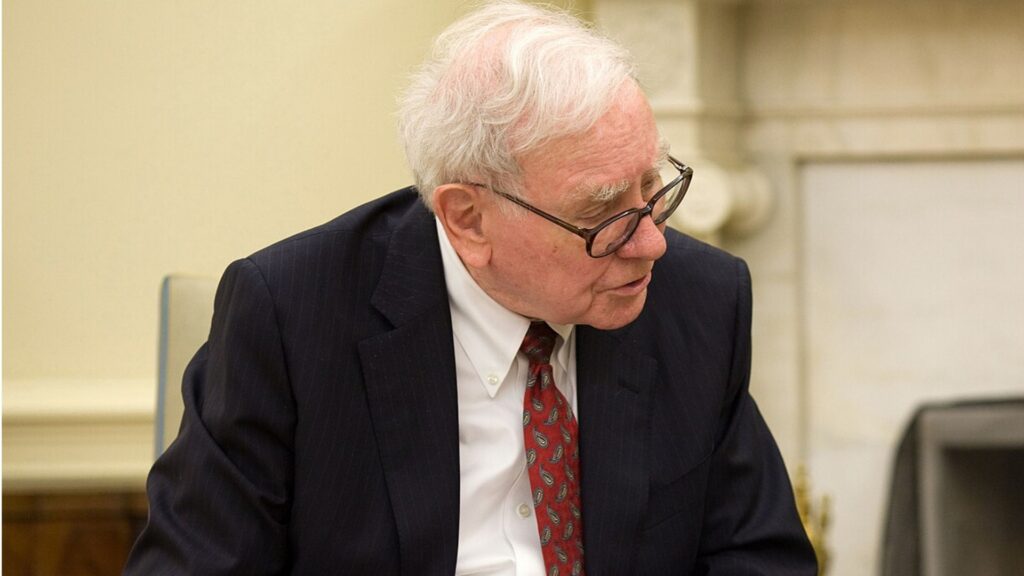
Buffett calls this his “circle of competence,” an idea he laid out in his 1996 shareholder letter: stick to businesses you actually understand, and know exactly where that understanding runs out. He avoided tech stocks for most of his career, only buying Apple in 2016 after treating it as a consumer products company rather than a tech one. Retirees fall into the same trap with variable annuities and structured notes built on fees few buyers could ever untangle.
Even With $397 Billion in Cash, Buffett Isn’t Hiding From Stocks
Berkshire’s cash reserves hit a record $397.4 billion in the first quarter of 2026, the largest corporate cash pile in American business history, yet the company still holds huge stakes in Apple and Coca-Cola. Buffett has said he’ll only spend the pile down once prices make it worth it, not because he’s given up on the market. For a retiree, an all-cash portfolio feels safe, but inflation quietly erodes it over a retirement that can run 30 years.
The One Investment Buffett Trusts With His Own Wife’s Money
Buffett tells most people to buy a low-cost S&P 500 index fund, and says the hunt for something fancier, a star manager or an exclusive strategy, has cost wealthy investors more than $100 billion in fees over the past decade without beating the market. He follows his own advice: his will directs that 90% of the cash left for his wife go into an S&P 500 index fund, with the rest in short-term government bonds.
Buffett Still Lives in the Same House He Bought in 1958
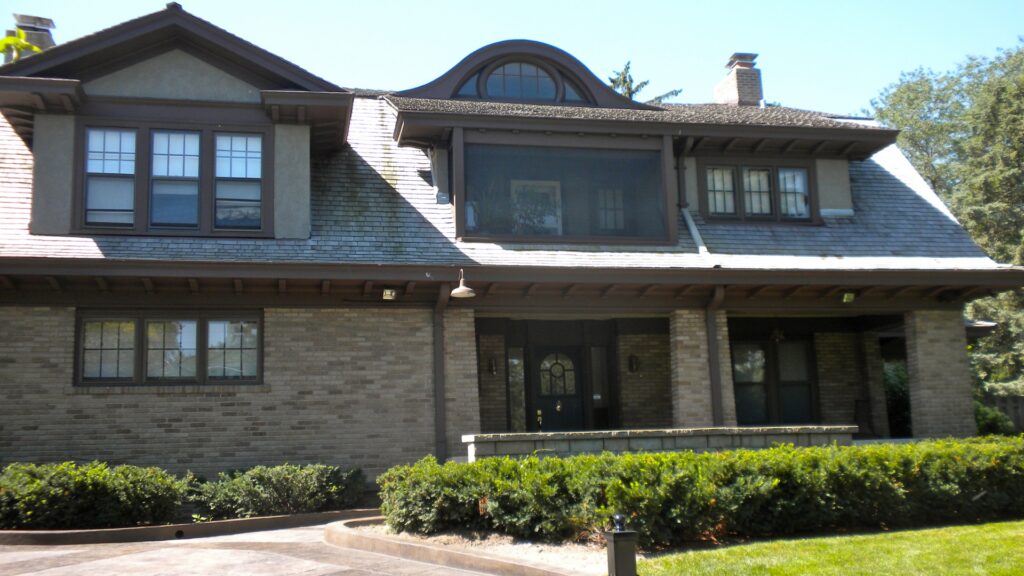
Despite being one of the wealthiest people alive, Buffett has lived in the same Omaha house since 1958 and has said plainly he has no interest in impressing anyone with cars or possessions. He warns that people confuse their cost of living with their standard of living, a pressure that only gets worse in retirement when income is fixed, and health costs keep climbing. His answer is to live below what you could spend and let the gap compound.
Most of Buffett’s Fortune Came After His 65th Birthday
The vast majority of Buffett’s wealth accumulated after he turned 65, a detail that undercuts the idea that it’s too late to start once retirement hits. Even a tight retirement budget benefits from the same principles he’s repeated for decades: avoid panic, avoid chasing yield, and avoid spending money that doesn’t need to be spent. Compounding rewards the years still ahead, however few or many those turn out to be.
Buffett’s Real Advice Was Never About Picking Stocks

Strip away the specifics and Buffett’s seven warnings boil down to the same core idea: keep it simple, stay patient, and don’t let fear or hype push a decision a clear head wouldn’t make. He built his fortune by refusing to panic, refusing to chase yield, and refusing to spend what he didn’t need to, repeated consistently over six decades. Retirees who apply the same discipline give their own savings the best chance to last.
