

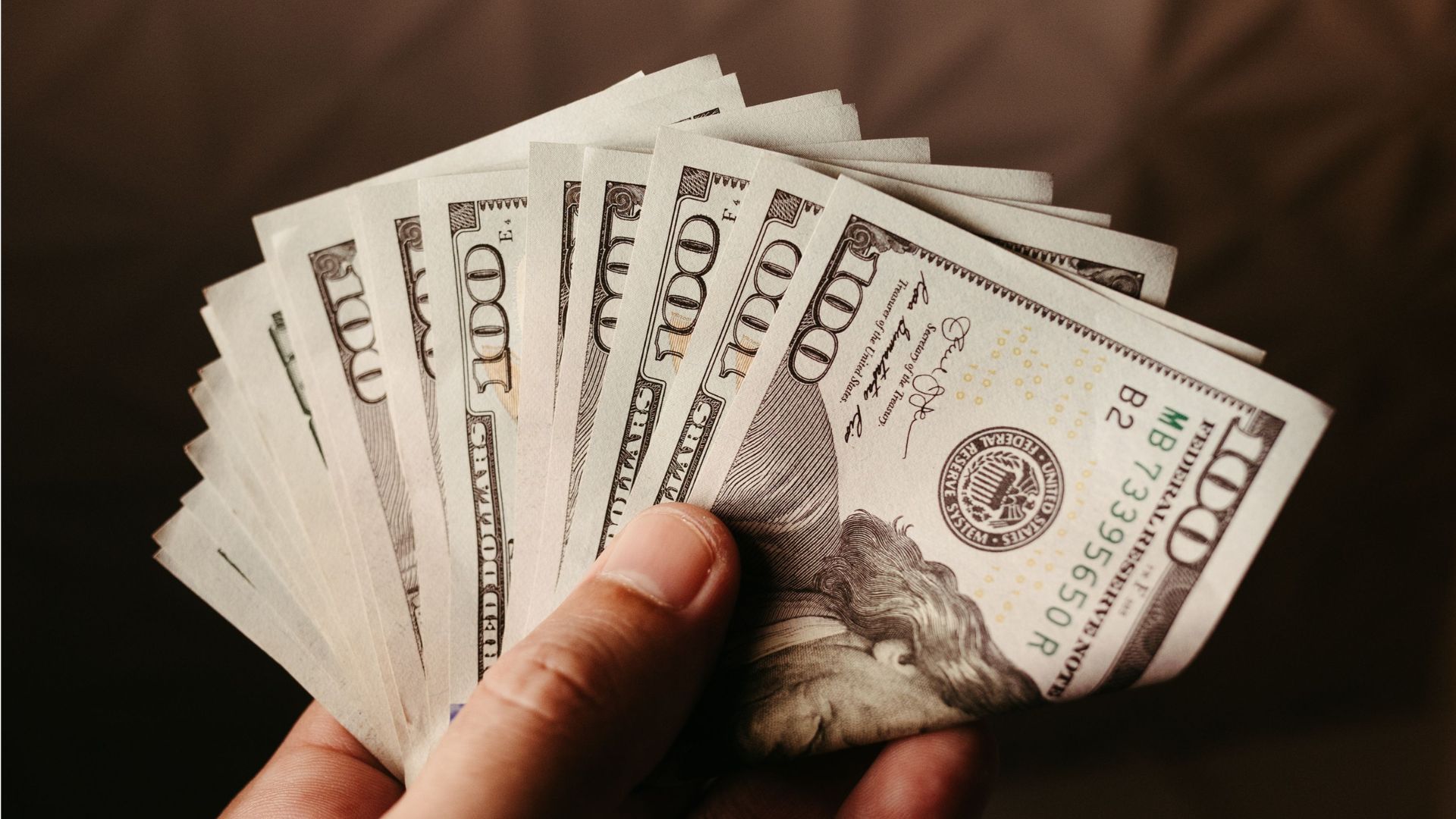
Digital wallets and apps like Venmo and PayPal have made physical cash feel almost optional. Most people rarely carry it, let alone stash it at home. Yet unexpected events, from hurricanes and wildfires to widespread power outages, can cut off access to digital banking entirely. When card readers and ATMs go dark, cash becomes the only way to buy gas, food, and medicine, which is why experts still recommend keeping some on hand.
Just how much cash belongs in a household emergency stash is surprisingly contested among financial professionals. Suggestions from certified financial planners range from as little as $100 to as much as $10,000, depending on how each expert weighs security risks against the convenience of ready money. The right figure, most agree, depends on household size, local emergency risks, and personal comfort with holding physical bills.
Beyond emergencies, people keep cash at home for several reasons, according to Bankrate. Some distrust banks outright; a 2023 Gallup survey found 48% of Americans were concerned about their money’s safety in banks. Others cite privacy amid frequent data breaches, difficulty opening a bank account, or simply running a small cash-based business. Still others use envelope-style cash budgeting to manage monthly spending without cards.
The Low End: Small Sums for Small Emergencies
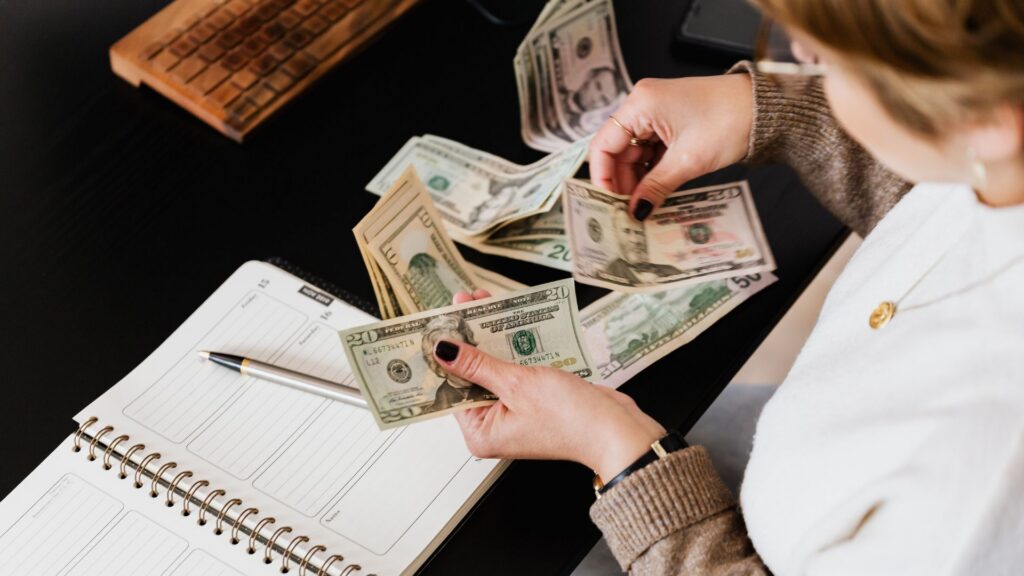
On the lower end, Danielle Miura, a certified financial planner and owner of Spark Financials, suggested keeping just enough for small necessities. “You should keep enough money on hand to get you a couple of gallons of gas, pay for a delivery tip, or to help in unfortunate events,” she said, putting that figure around $100 to $200. Larger emergency funds, she added, belong in a high-yield savings account instead.
Yasmin Purnell, founder of The Wallet Moth, argued for a bigger cushion tied to genuine crises. She pointed to needs like temporary housing, food, gas, and medication if a disaster strikes. “As a general rule of thumb, having access to $1,000 in cash at home would ensure you can at least pay for immediate expenses in the case of a national emergency,” Purnell said, calling the sum a baseline for serious disruptions.
Ryan McCarty, certified financial planner and lead advisor at Castle Rock Investment Company, framed the question around security. He described cash as “the most insecure asset you can have” and suggested capping it at 10% of a household’s overall emergency fund, or $10,000, as a safeguard against fire or theft. Jay Zigmont, founder of Childfree Wealth, added that cash carries a temptation risk too, since “it may be a challenge for you to not spend it.”
Why Some Experts Say Less Is More

Jesse Cramer, associate relationship manager at Cobblestone Capital Advisors, made the case for staying well under $1,000. “There simply isn’t enough good reason to keep large amounts of liquid cash lying around the house. Banks are infinitely safer,” he said. Cramer pointed to his parents’ neighbors, who lost a hidden stockpile of cash to a house fire, which he called an extreme example.
Bankrate takes a middle path, citing Elliot Pepper, a certified financial planner and co-founder of Northbrook Financial, who suggests basing the amount on bare necessities rather than a full emergency fund. “A cash amount enough to cover the absolute bare necessities for two months might be a reasonable basis,” Pepper said. Bankrate notes that Bureau of Labor Statistics data puts average monthly food and gas costs at just under $1,000 for U.S. consumers.
Chase offers a more modest benchmark, suggesting enough cash to cover two to three days of basic expenses like food, transportation, and urgent needs. For most households, that translates to roughly $40 to $300, though people in areas prone to severe weather may prefer more. Chase also flags the tradeoffs: cash at home typically isn’t insured against theft or loss, and it earns no interest sitting in a drawer.
Keeping Your Cash Safe, and Keeping It Smart
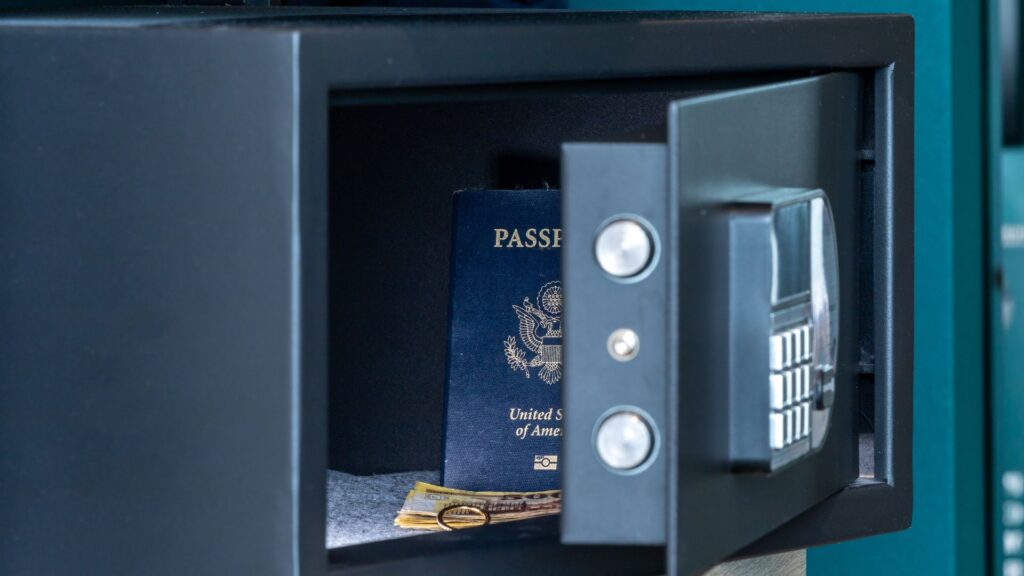
However much cash a household keeps, experts agree on safe storage. Matthew Dailly, managing director at Tiger Financial, recommended a fireproof and waterproof safe, noting that “the loss of a large amount of cash can happen in a matter of seconds if your home is damaged by a flood or fire.” McCarty echoed the advice, suggesting a bolted-down safe and periodically swapping in fresh bills so they don’t become too worn or outdated.
Keeping cash also carries quieter costs. Dailly pointed out that money sitting at home loses purchasing power over time due to inflation, unlike funds earning interest in a bank. Bankrate adds that home cash lacks FDIC or NCUA insurance, so theft or destruction usually means a permanent loss. Alternatives worth considering include a second checking account at a different bank, a high-yield savings account, or a registered prepaid card for emergencies.
There is no universal answer to how much cash belongs at home. As Chase puts it, a modest amount covering a few days of essentials may offer peace of mind without exposing savings to unnecessary risk. Whether that means $100 tucked in a drawer or $1,000 in a fireproof safe, the right balance depends on household needs, local emergency risks, and how comfortable each person feels holding physical money.
