

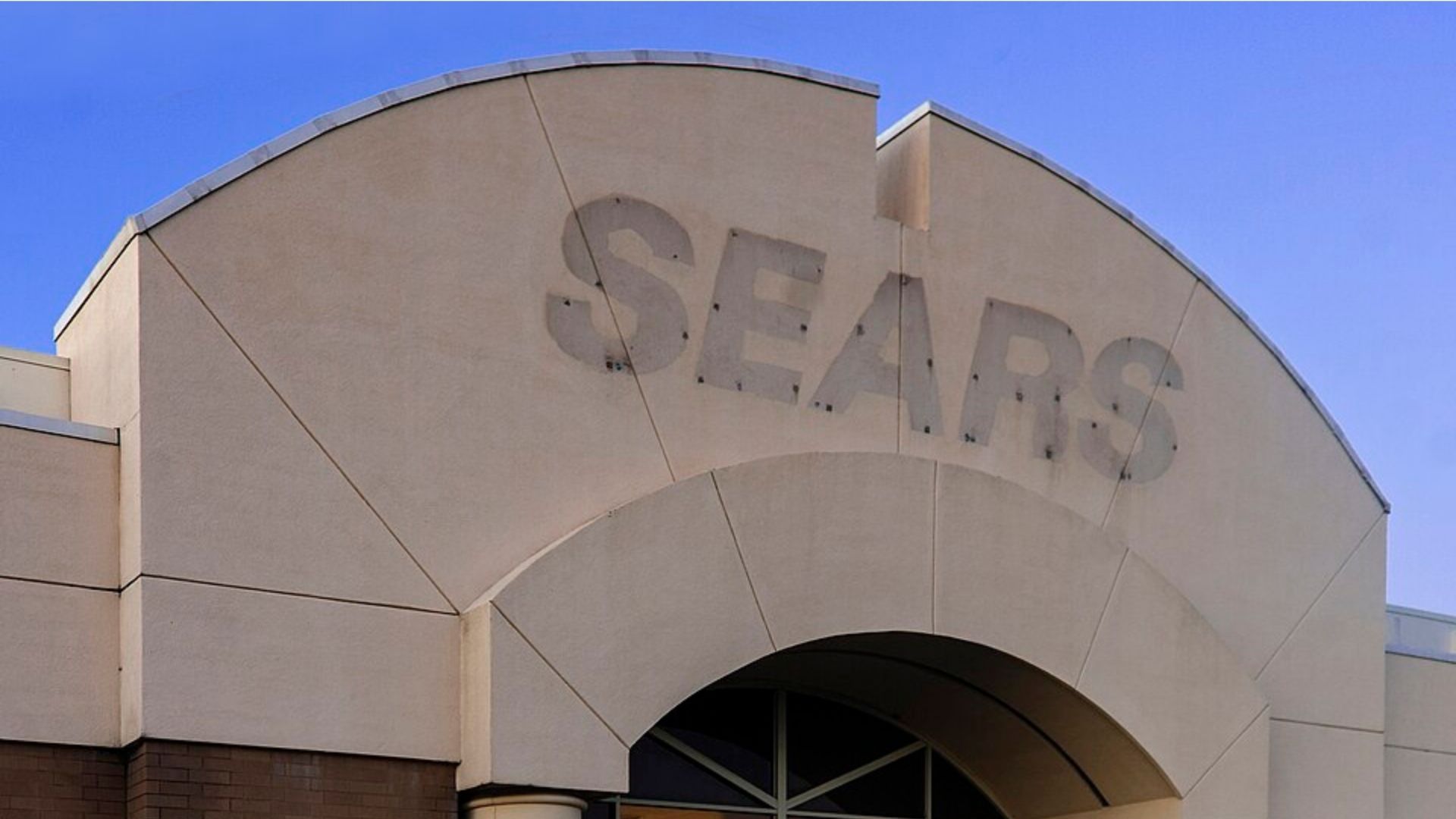
For generations, families flipped through the Sears catalog to order everything from watches to washing machines, and later walked its aisles for back-to-school clothes and appliances. That trust turned Sears into a retail empire that outsold Walmart every year until 1990, according to Business Insider. Today, after decades of asset sales, mergers, and bankruptcy, only five Sears stores remain open in the United States.
How a Mail Order Watch Business Became a Retail Empire
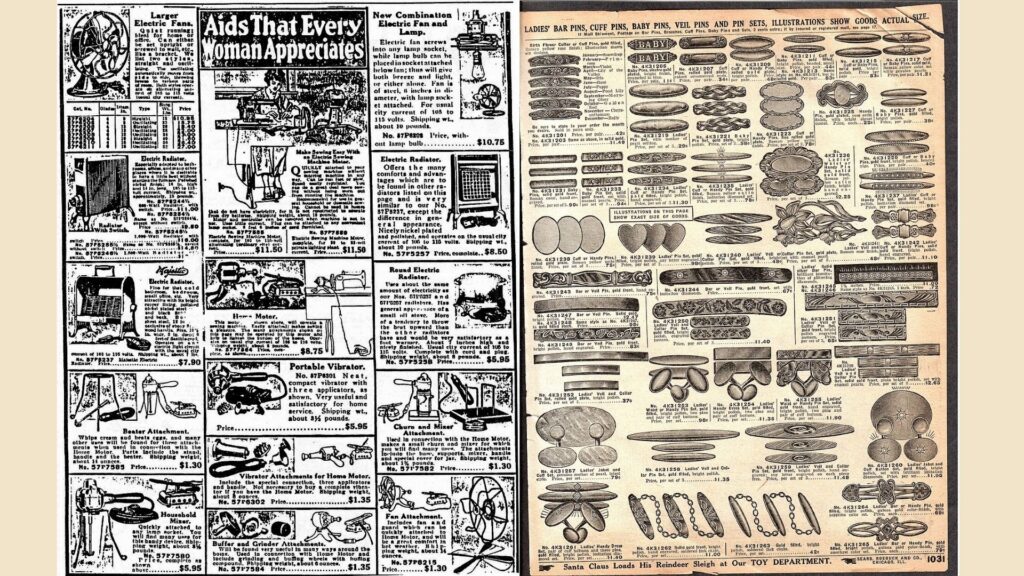
Shoppers first discovered Sears through the mail. Starting in 1895, families in rural areas with no stores nearby could order low-cost merchandise straight from the catalog. That changed in 1925, when Sears opened its first retail location in Chicago under executive General Robert E. Wood, who became president in 1928. By 1931, customers were already buying more in stores than by mail.
Sears Peaked With a Billion-Dollar Sales Year and a Skyscraper
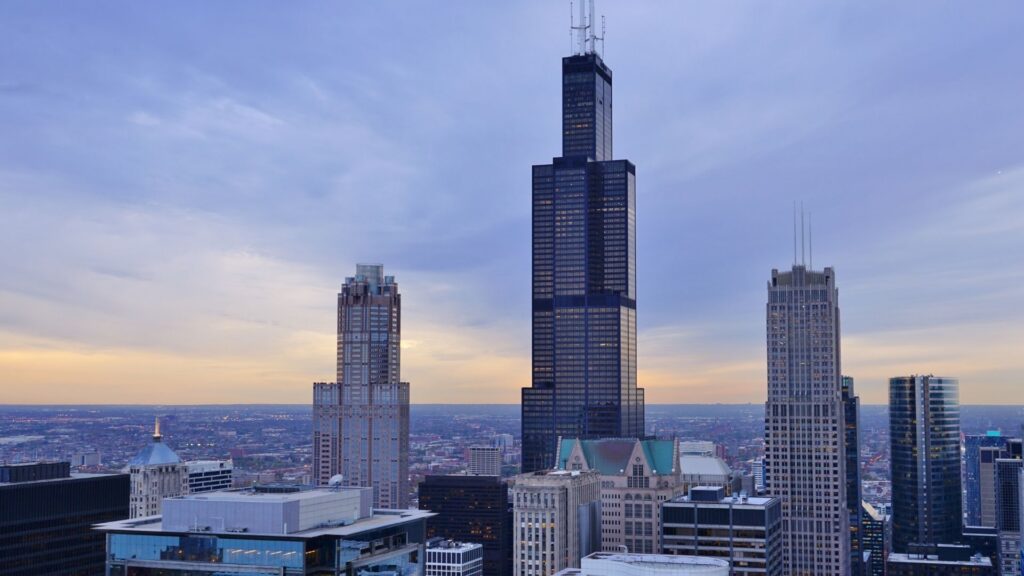
The good times kept rolling through the mid-twentieth century. Sears pulled in one billion dollars in sales in 1945 alone, worth more than sixteen billion dollars today. More than 350,000 people worked for the company at its height, and in 1973 it finished the Sears Tower in Chicago, then the tallest building on Earth. The 110-story skyscraper cost 100 million dollars and is now called the Willis Tower.
Walmart Overtakes Sears as America’s Top Retailer
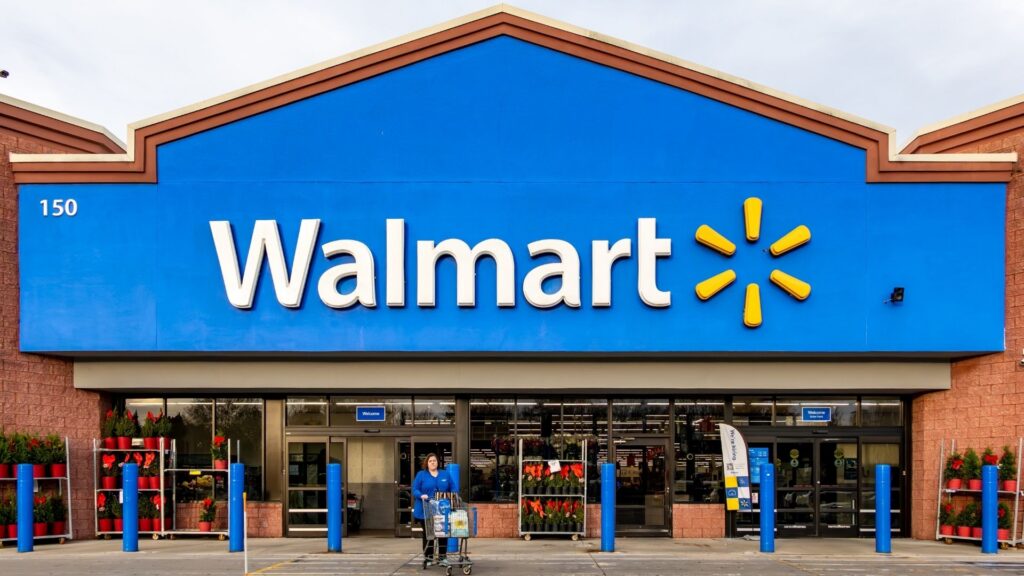
Everything changed in 1990, when Walmart pulled ahead of Sears as the nation’s top retailer. Walmart’s sales jumped 26 percent that year to $32.6 billion, while Sears crept up just 1.2 percent to $31.9 billion, according to CNBC. Sears tried winning back female shoppers a few years later with its 1993 “Softer Side of Sears” campaign, but former CEO Arthur Martinez later admitted, “We had made embarrassing mistakes.”
Eddie Lampert’s Kmart Merger Created a Bigger Problem
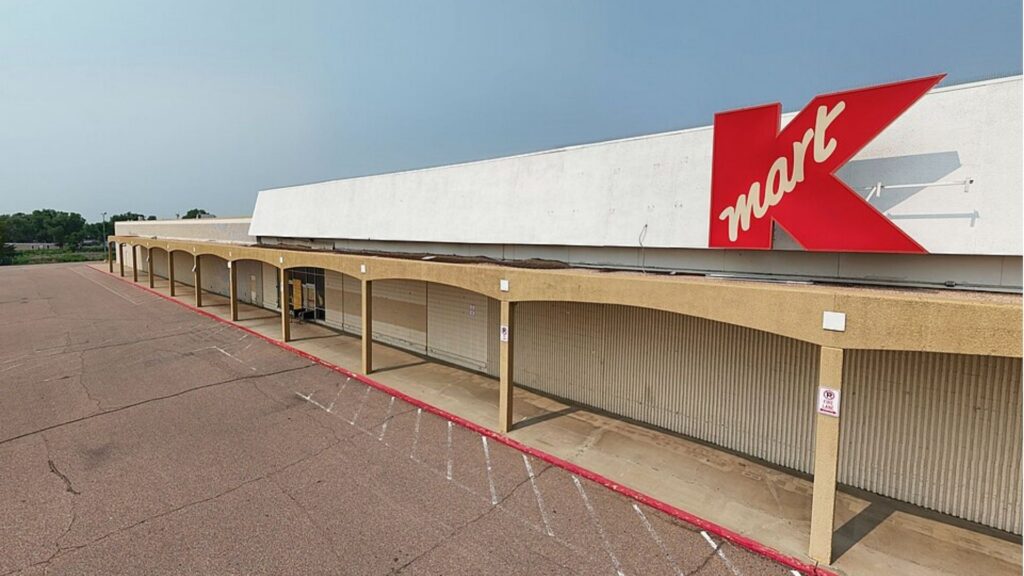
Hedge fund manager Eddie Lampert stepped in during the early 2000s, and Sears hasn’t looked the same since. He had already carried Kmart through bankruptcy before merging it with Sears in 2005 in an 11 billion-dollar deal that formed Sears Holdings. Neil Saunders, managing director of GlobalData Retail, said the move backfired. “Then they got a bigger bad business,” he told CNBC. “Sears wasn’t investing or changing.”
Sears Spent Pennies While Rivals Invested Dollars
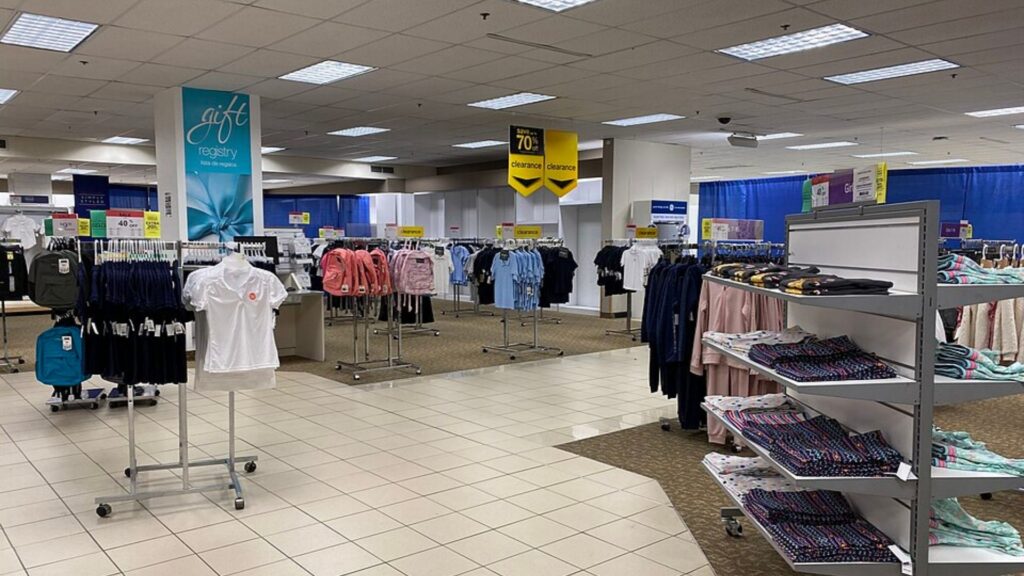
While competitors poured money into their stores, Sears held back. A 2017 Susquehanna Financial Group report found Sears spent just 91 cents per square foot on upgrades, compared with $4.13 at J.C. Penney, $8.12 at Kohl’s and $15.36 at Best Buy, CNBC reported. Retail Metrics founder Ken Perkins put it bluntly, saying the cupboard was “running very bare and there isn’t a lot left.”
The Retailer Sold Off the Brands That Built It
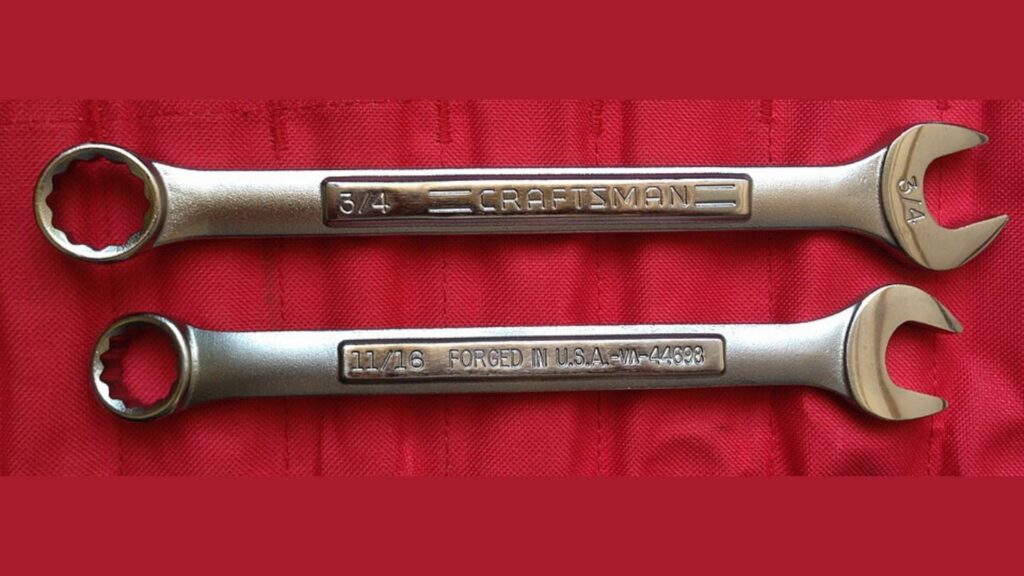
To raise cash, Sears sold off the very brands that made it a household name. Craftsman tools went to Stanley Black & Decker, DieHard went to Advance Auto Parts, and Lands’ End was spun off on its own. Sears had bought Lands’ End for two billion dollars back in 2002, and later sold its credit card business, once worth 60 percent of its profits, to Citigroup.
Selling Real Estate Left Sears With New Lease Bills
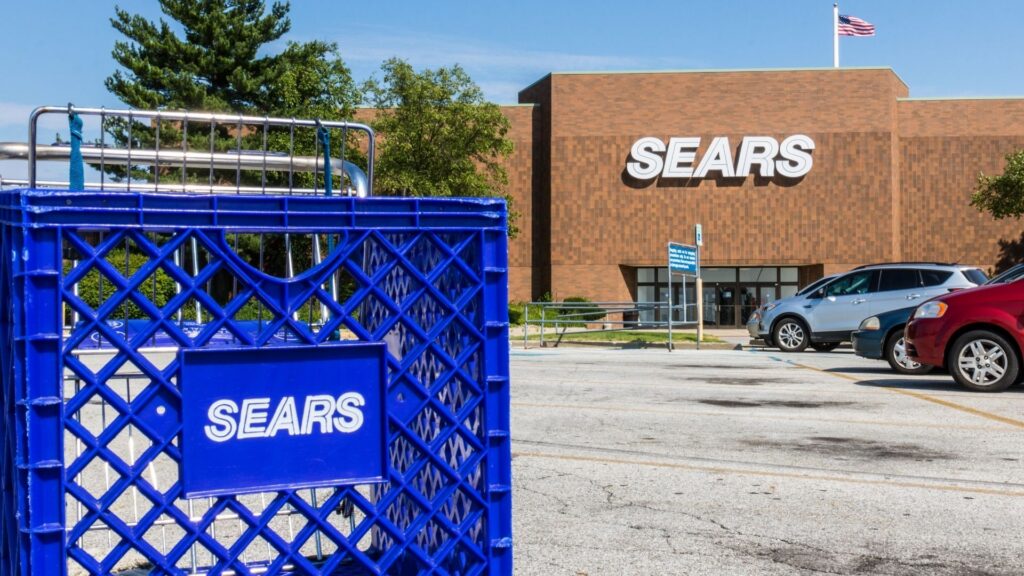
Lampert also cashed in on Sears’ real estate, spinning 250 of its best properties into Seritage Growth Properties in 2015. Former Sears Canada CEO and Columbia Business School Professor Mark Cohen said the setup protected Lampert’s own investment even if Sears failed, since he stayed the company’s biggest creditor. Neil Stern, senior partner at retail consulting firm McMillanDoolittle, noted the deal left Sears paying rent on stores it used to own outright.
Bankruptcy Hits, and Lampert Buys the Company Back
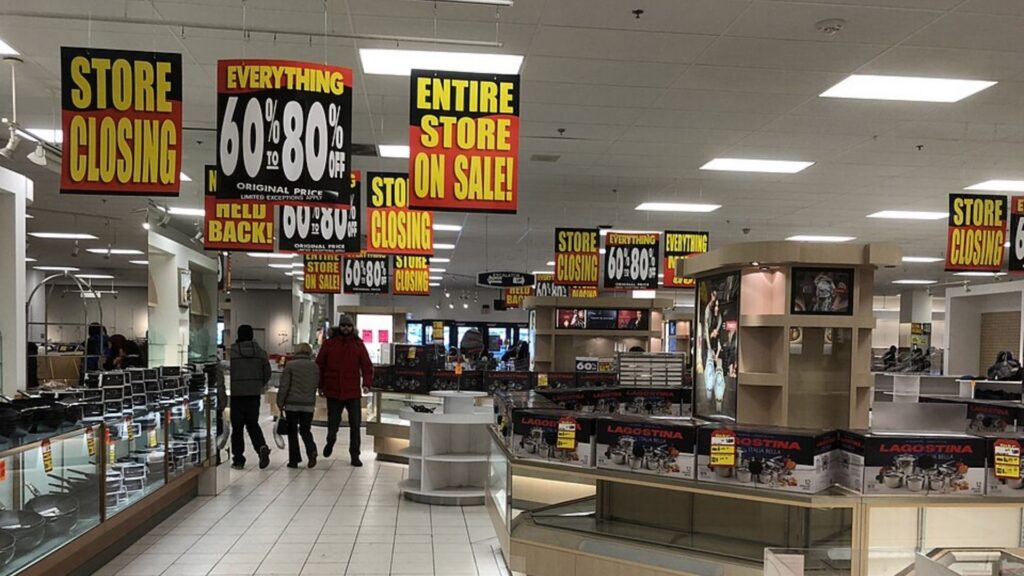
Sears finally filed for Chapter 11 bankruptcy in October 2018, down to fewer than 700 stores and 68,000 employees. The company had burned through 1.8 billion dollars in cash in 2017 alone, CNBC reported, citing SEC filings. Lampert stepped down as CEO but bought Sears out of bankruptcy four months later for $5 billion, saving roughly 45,000 jobs and 425 stores.
A Cautionary Tale Ends With a Legal Settlement
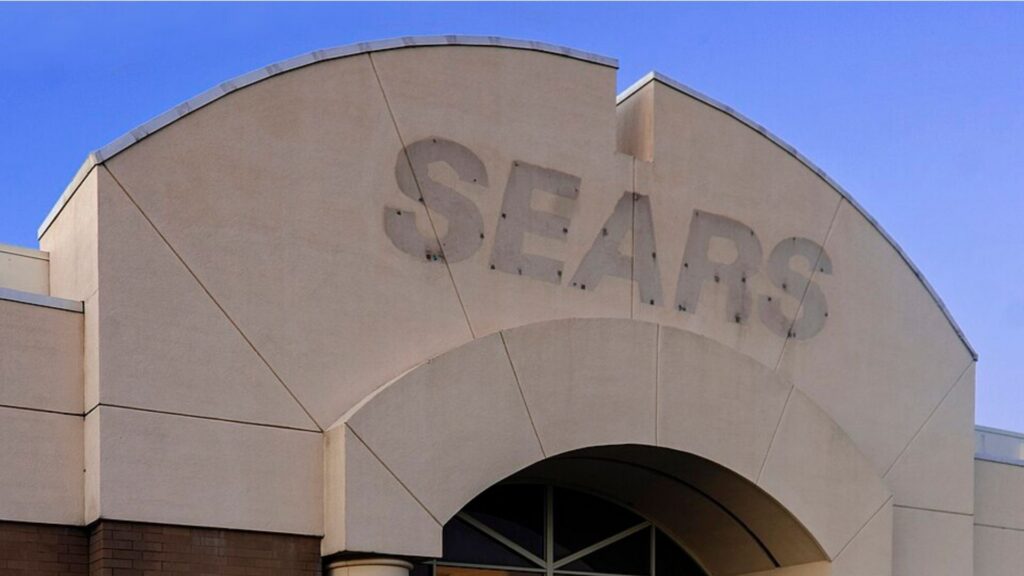
Sears itself later sued Lampert, alleging he funneled more than $2 billion in assets out of the company before the bankruptcy. According to Retail Dive, the case settled in 2022 for $175 million with no admission of wrongdoing. RTM Nexus CEO Dominick Miserandino called it one of retail’s biggest cautionary tales. “It just wasn’t Amazon that killed them,” he said, “but a series of unfortunate events and decisions.”
