

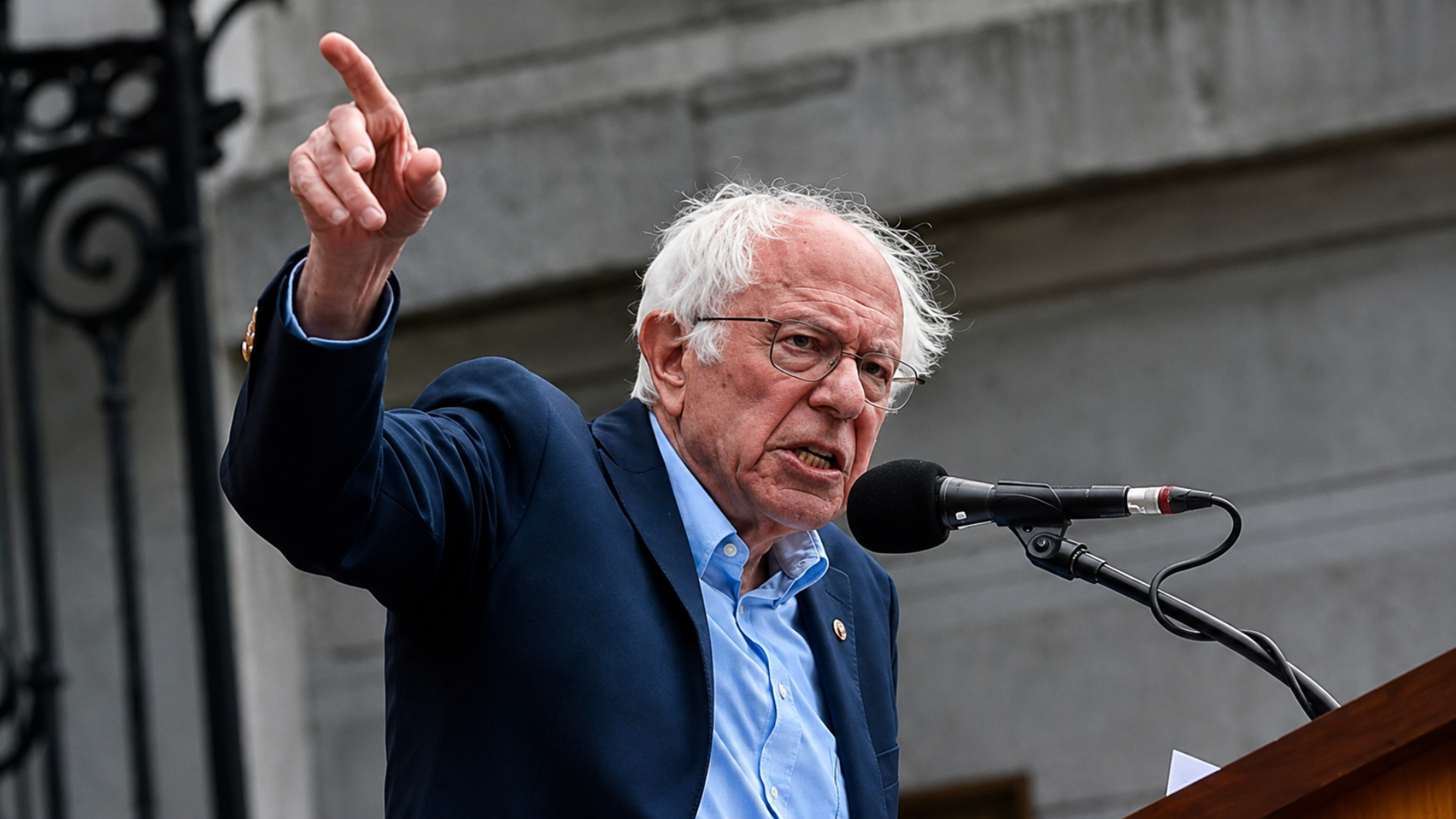
Every American could soon see an extra $1,000 land in their bank account each year, paid for entirely by the world’s largest artificial intelligence companies. On June 18, Senator Bernie Sanders introduced the American AI Sovereign Wealth Fund Act, a bill that would seize half the stock of major AI firms and funnel the proceeds into a fund owned by the public. The number sounds almost too good to be true, and the mechanics behind it are even more radical.
Sanders’ bill targets any company pulling in more than $200 million a year from data centers, AI services, or advanced robotics. Those firms would hand over 50% of their stock to the U.S. Treasury in a one-time transfer, valued at roughly $7 trillion based on current AI valuations. A newly created Independent Commission for Democratic AI, made up of seven presidentially appointed, Senate-confirmed members, would then manage that massive stake on behalf of every citizen.
From there, the commission would pay out 5% of the fund’s value to Americans annually, an amount Sanders says would start at roughly $1,000 per person each year. According to Sanders, AI and robotics threaten every American’s job security, privacy, and mental well-being, citing warnings about mass job loss, eroded privacy, and harm to children’s mental health. He insists taxpayers would carry none of the risk if the AI boom eventually goes bust.
Why Sanders Thinks Big Tech Owes the Public
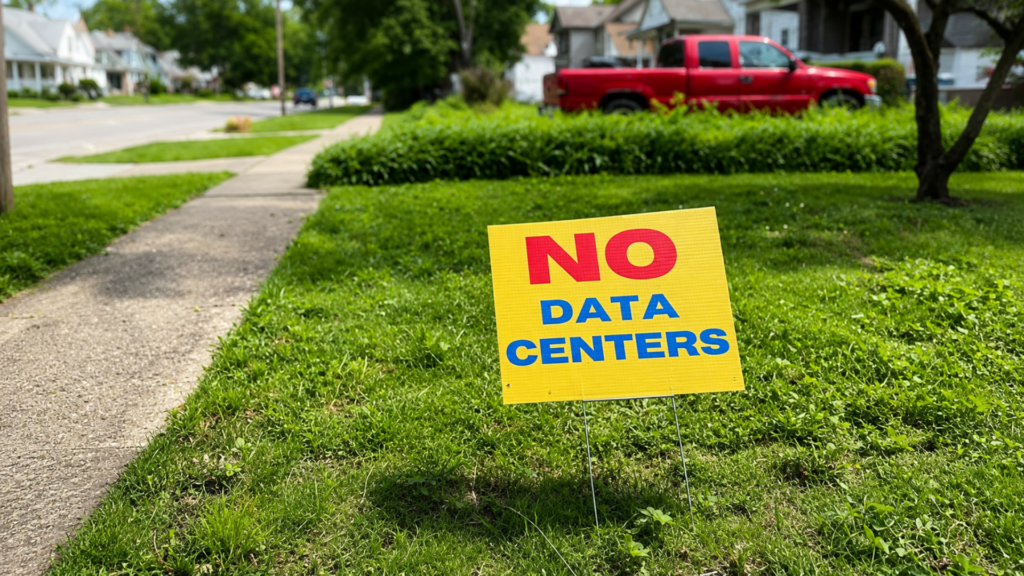
Sanders frames the tax as overdue payment, not confiscation. His office argues that AI models were built using the collective knowledge of humanity, trained on decades of writing, art, and data created by ordinary people who were never compensated. Because the public unknowingly supplied the raw material, Sanders argues, the public deserves a direct ownership stake in the profits that material now generates for a handful of companies and their executives.
The bill would also force AI companies to formally split their AI divisions from their other business lines, a structural separation designed to isolate exactly which shares the government would control. Commissioners overseeing the fund would even have the power to vote against a company’s own financial interests if they judged a decision harmful to the American public, a provision critics call an unprecedented intrusion into corporate governance.
Sanders has floated a similar argument before. When the Trump administration bought a 10% stake in Intel last year in exchange for federal grants, Sanders backed the move, arguing that taxpayers funding a company’s success deserve a cut of the upside. That same logic now anchors his AI proposal, but this time the stakes, and the dollar figures, are dramatically higher.
The Unlikely Trump Connection
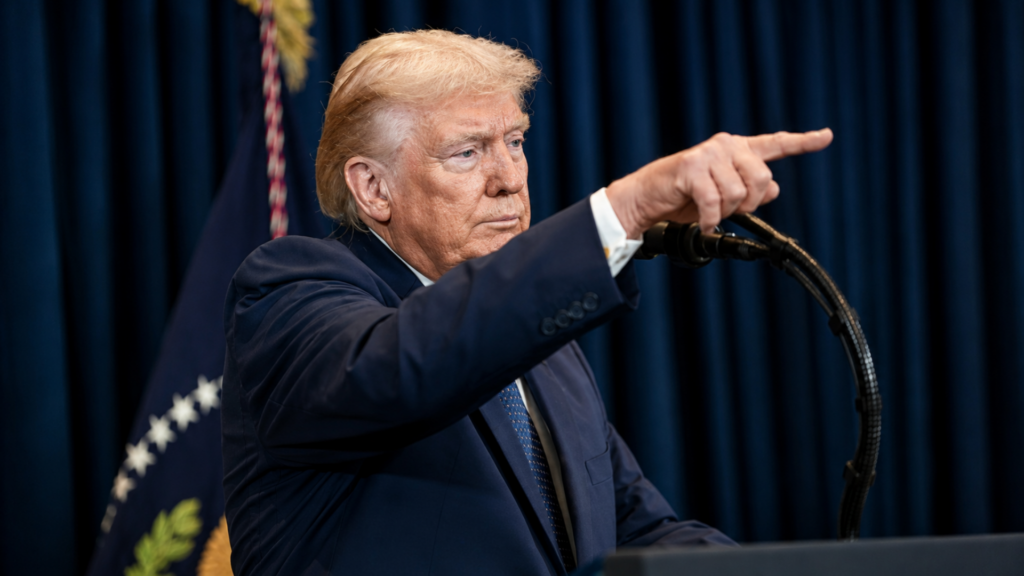
What makes this bill more than a symbolic gesture from the Senate’s most prominent independent is a surprising signal from the Oval Office. In early June, President Trump told reporters there was something very interesting about giving taxpayers a stake in AI companies, describing it as a move that could turn the arrangement into “a partnership with the American public.”
Trump went further, saying he planned to meet with roughly a dozen top AI executives to discuss “giving back” to ordinary Americans, adding that if it happened, the public would become very rich given the scale of money involved in the industry. Neither the White House nor Sanders’ office has confirmed whether that meeting has taken place, and the details of any Trump-backed plan remain undefined.
The idea already has some support inside the industry Sanders wants to tax. OpenAI has floated a public wealth fund that would give every citizen a stake in AI-driven growth, and Anthropic’s CEO has suggested a universal basic income financed through taxes on companies like his own. That overlap between a socialist senator and Silicon Valley executives is not something Washington sees often.
Why a Deal Still Looks Unlikely

Despite the apparent common ground, Sanders has poured cold water on the idea of teaming up with Trump. He told NPR he has not personally spoken with the president about the legislation, and when asked directly whether Trump could become an ally, Sanders responded flatly, “I doubt it very much.” He suggested some executives may prefer a token gesture over the sweeping ownership stake his bill demands.
Sanders pointed to comments suggesting companies like OpenAI might offer to return a small slice, maybe 5%, of their profits and call it generosity. “That’s not what we’re talking about,” Sanders said. “What we’re talking about are two very different things.” Without Trump’s public backing, the bill faces a Republican-controlled Congress that shows little appetite for a 50% tax on the tech industry’s most valuable firms.
Even if the American AI Sovereign Wealth Fund Act somehow became law, $1,000 a year would land against a backdrop of rising costs tied to the same technology it taxes. Data center power demands are projected to push electricity rates up by as much as 57% by 2030, and AI-driven price surges are already creeping into groceries and travel. The payout Sanders promises may end up covering only a fraction of what AI’s expansion actually costs the people receiving it.
