
Unemployment sat at just 4.3% in March. Inflation ran 3.3% over the past year. By traditional measures, the U.S. economy looked steady. Yet the University of Michigan’s Consumer Sentiment Index fell to a final reading of 49.8 in April, its lowest level since the survey began in 1978, worse than the pandemic, the 2008 financial crisis, or the runaway inflation of the late 1970s.
Iran War Sent Gas Prices Past $4 a Gallon
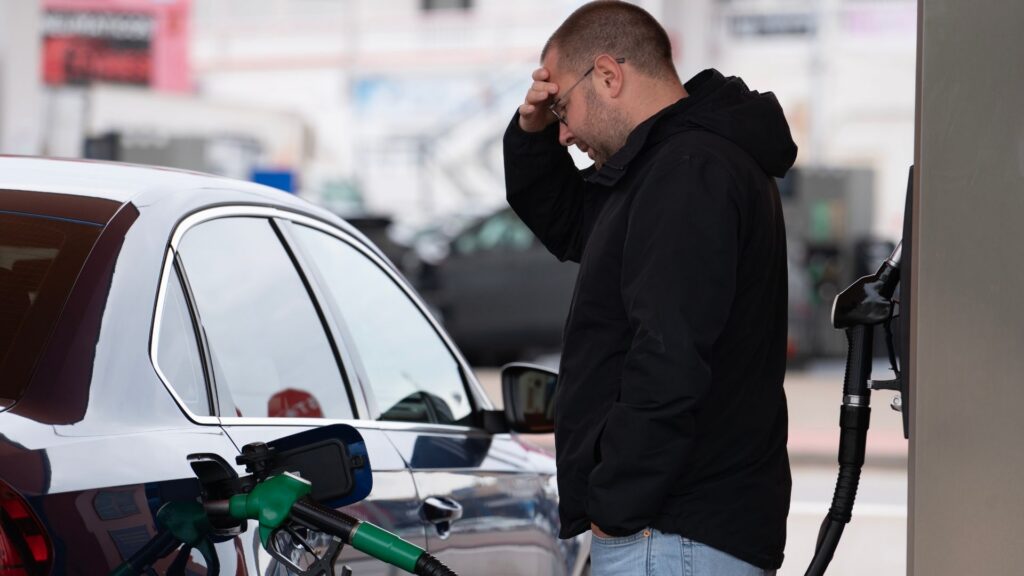
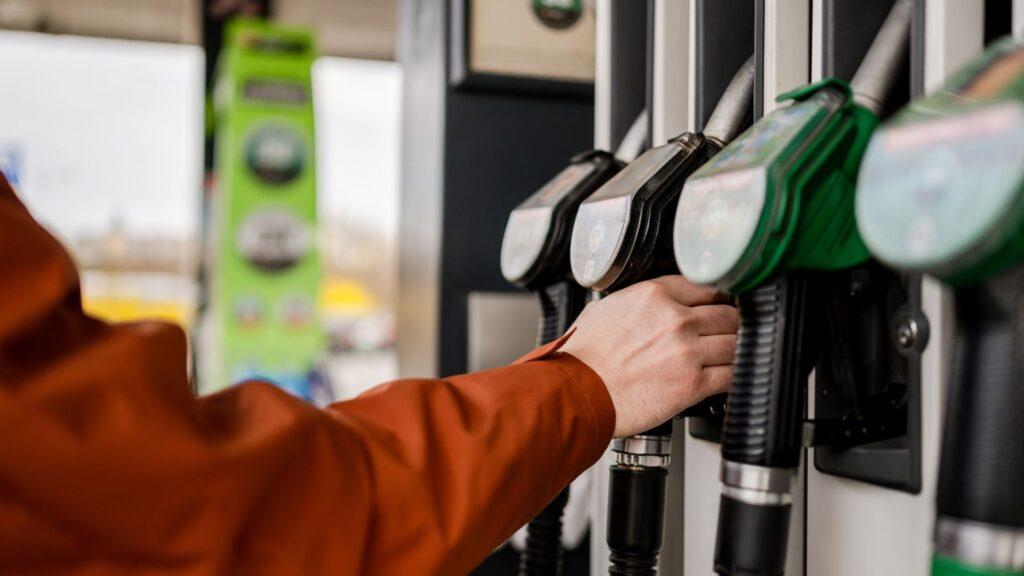
Iran effectively closed the Strait of Hormuz after fighting broke out on February 28, disrupting global shipping and pushing oil prices higher, Reuters reported. Gasoline climbed to $4.13 a gallon by April, up from under $3 in February, according to Axios. Diesel topped $5 a gallon nationally, per the U.S. Energy Information Administration, raising costs for everything hauled by road.
Consumers Braced for Sharply Higher Inflation
Consumers expected 4.7% inflation over the next year, up sharply from 3.8% in March and above the 2.3% to 3.0% range seen before the pandemic, the University of Michigan survey found. Five-year expectations also climbed to 3.5% from 3.2%. Survey director Joanne Hsu said the war “appears to influence consumer views primarily through shocks to gasoline and potentially other prices.”
GDP and Stocks Held Steady Even as Sentiment Sank
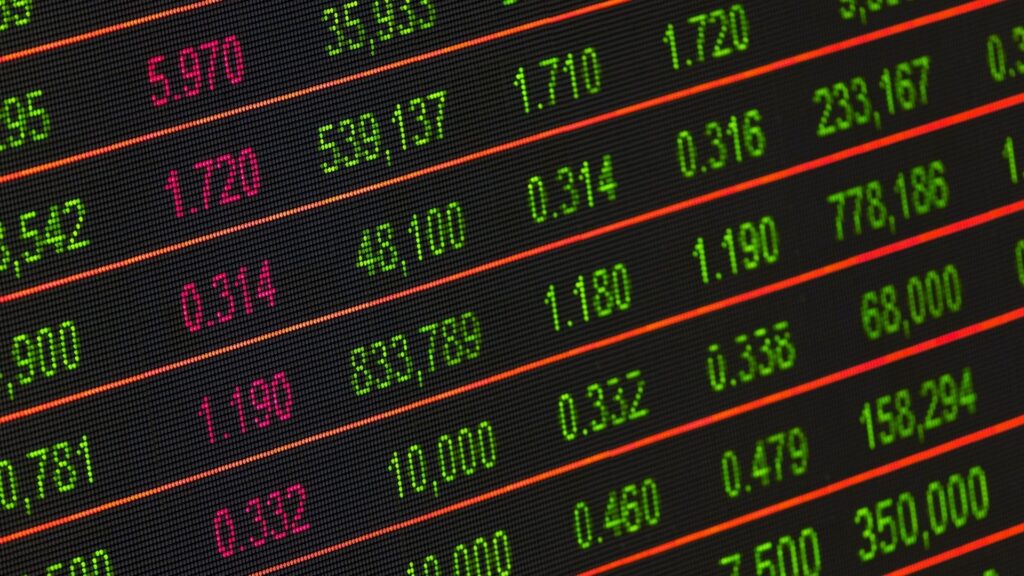
Even so, GDP kept rising steadily, and the S&P 500 stayed roughly flat for the year, Axios reported. President Trump had extended the Iran ceasefire indefinitely earlier that month, though a U.S. Navy blockade of Iranian ports remained active, Reuters noted. Fertilizer, petrochemical and aluminum prices also surged, threatening to push household costs higher in the months ahead as those increases worked through the supply chain.
Spending Hadn’t Slowed, Even as Confidence Cratered
U.S. retailers posted solid sales gains in March, and major banks reporting first-quarter earnings said household finances were holding up well, according to The Wall Street Journal. April spending figures weren’t available yet. The disconnect puzzled economists, since consumer sentiment has historically offered a useful signal for how much shoppers are willing to open their wallets and spend each month.
Old Price Hikes Still Stung, Economists Said
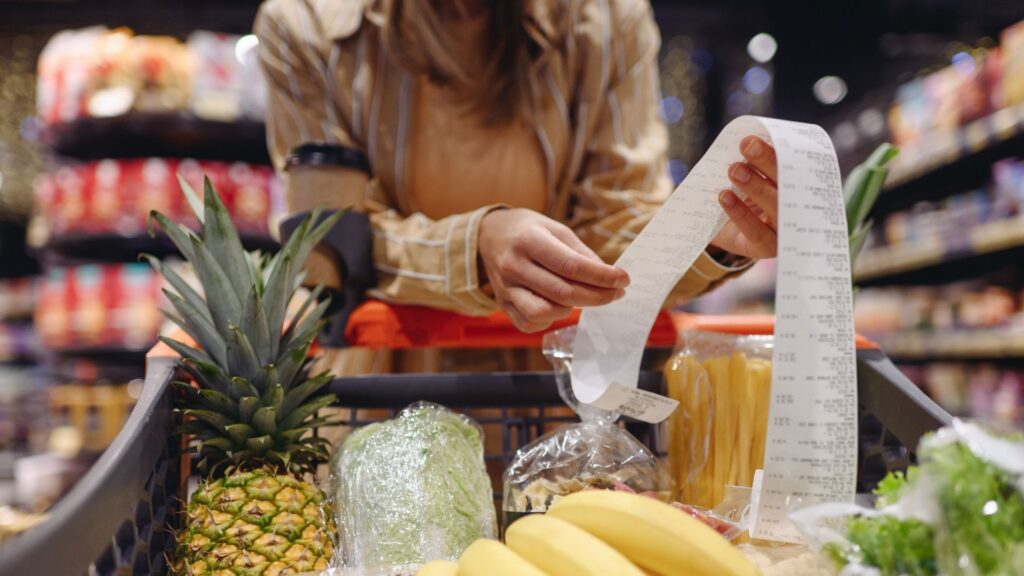
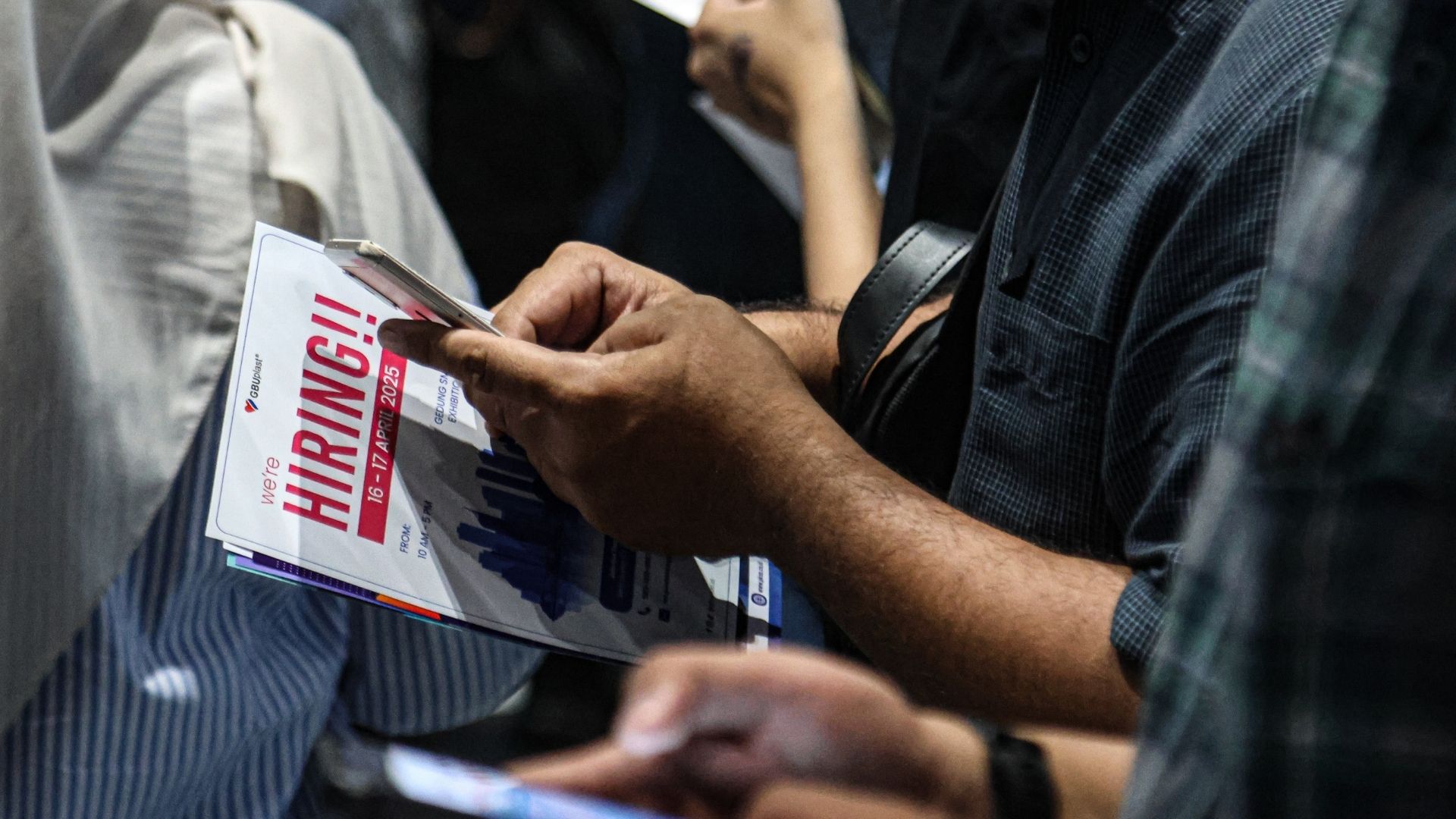
Americans experienced inflation cumulatively, not as a single year-over-year figure, Axios reported, so sticker shock from price increases years ago still lingered. The job market looked weaker beneath the surface too. Hiring rates were low, and job growth had been narrow, driven overwhelmingly by health care, the kind of quiet strain the Wall Street Journal called a “frustrating job market” even as the official unemployment number stayed low.
How Political Views Split Americans’ Take on the Economy
Political polarization shaped economic views more than in past downturns, Axios found. In February 2009, during the financial crisis, Democrats and Republicans rated the economy similarly, at 59.6 and 55.1. By April 2026, Democrats’ sentiment stood at only 31.8 points while Republicans’ reached 87.1, reversing 2022’s inflation peak, when Democrats scored 66.4 and Republicans just 33, at the height of Biden-era inflation.
‘A Level Shift Down’ in How People Viewed the Economy
“There’s been a level shift down in how people view the economy,” Hsu told the Wall Street Journal, adding that constant negative social media feeds had likely darkened survey results over the past five years. Federal Reserve official Christopher Waller said the survey “hasn’t tracked closely with actual spending in recent years,” but that he still found the signal from the data meaningful.
Lower-Income Households Faced the Sharpest Squeeze
“The impact will be mostly felt by low- and middle-income households, since a larger share of their overall spending goes toward gasoline,” said Grace Zwemmer, a U.S. economist at Oxford Economics, of the surging fuel costs. A Reuters/Ipsos poll found a clear majority of Americans blamed President Trump for surging gas prices, a political liability for Republicans ahead of November’s congressional midterm elections.
What It Would Take to Turn Confidence Around
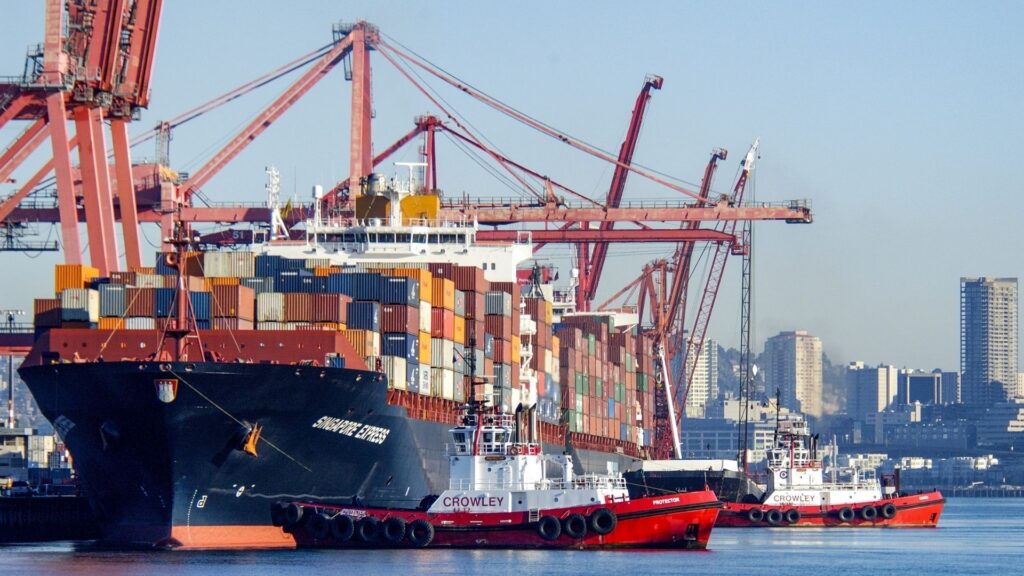
Heather Long, chief economist at Navy Federal Credit Union, said transportation costs would keep pushing up prices for food, appliances, toys, and anything shipped by boat, car, or plane, and that confidence would not return until the Strait of Hormuz reopened and the conflict ended for good. Jared Bernstein, a former top economist under President Biden, offered a warning of his own: officials should “avoid doing things that make their lives more expensive, like tariffs and wars of choice.”
