



Some grocery staples are about to get a lot pricier. Inflation across the U.S. economy jumped 4.2% between May 2025 and May 2026, the steepest increase since 2023, according to the Bureau of Labor Statistics. The USDA now projects food prices will climb 3.2% in 2026, with several grocery categories rising much faster. A new breakdown reveals the ten food groups facing the biggest hikes this year, and the top spot is not what most shoppers expect.
Poultry and Pork Prices Climb Modestly Compared to Rest of Cart
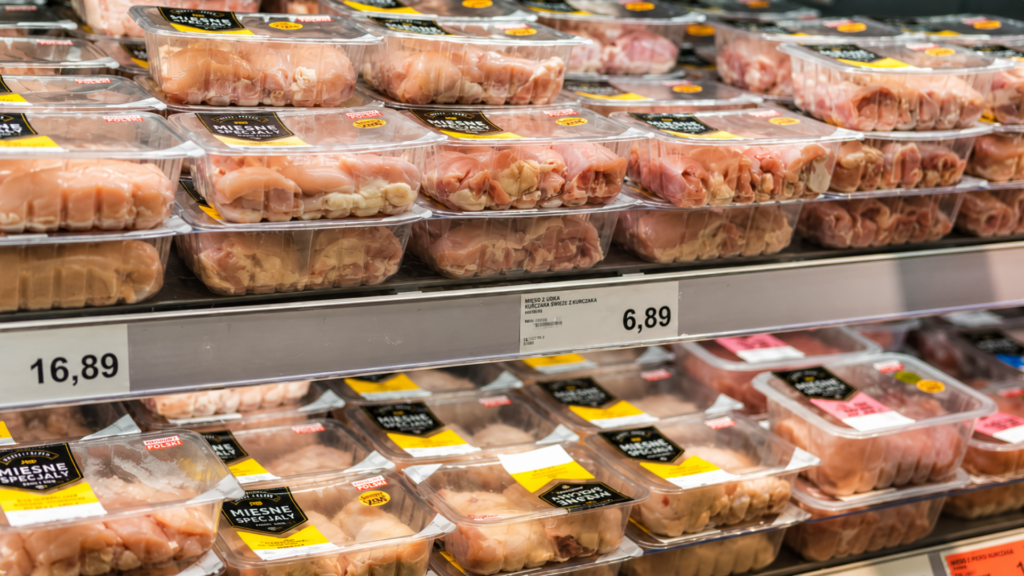
Chicken and pork are rising the slowest among tracked grocery categories, but shoppers will still notice the difference. USDA projects poultry prices will increase 1.6% in 2026, pushing boneless chicken breast from $4.17 to roughly $4.24 per pound. Pork prices are expected to climb 1.9%, nudging bacon from $6.71 toward $6.84 per pound. Both increases remain modest next to what is coming later in this list.
Fruit and Bread Prices Inch Upward as Grocery Costs Build
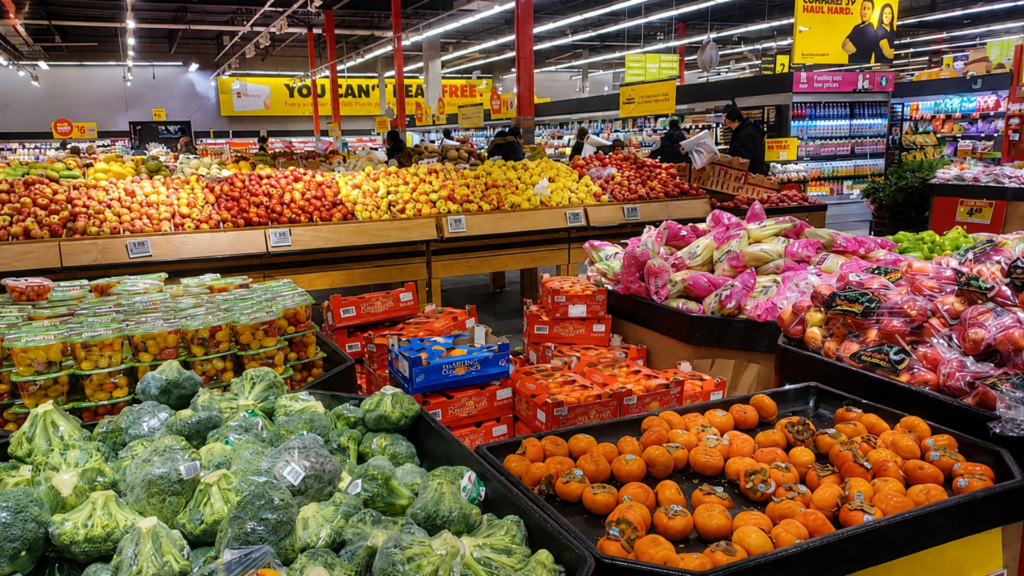
Fresh fruit and bakery staples sit near the middle of USDA’s list, rising faster than meat but slower than what follows. Fresh fruit prices are projected to climb 2.0% in 2026, lifting strawberries from $2.60 to about $2.65 per pound. Cereal and bakery products are expected to rise 2.4%, pushing chocolate chip cookies from $5.18 toward $5.31 per pound. The increases so far remain manageable, but the pace accelerates from here.
Canned Corn and Frozen Juice Prices Set to Rise 3%
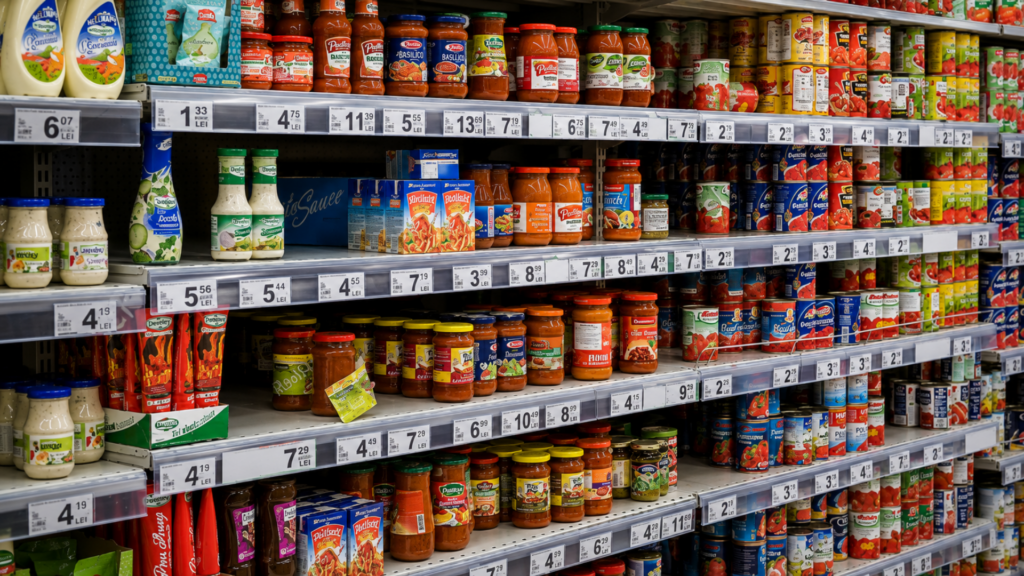
Processed fruits and vegetables are next on USDA’s list, projected to increase 3.0% in 2026, with some products climbing as high as 4.8%. Canned corn is expected to rise from $1.32 to $1.35 per pound. Frozen concentrate orange juice, already a pricier pantry staple, is projected to climb from $4.97 to $5.12 per sixteen ounces. Pantry shelves are no longer a safe hedge against rising grocery costs.
Fish and Seafood Prices Poised for a Sharp 5.6% Jump
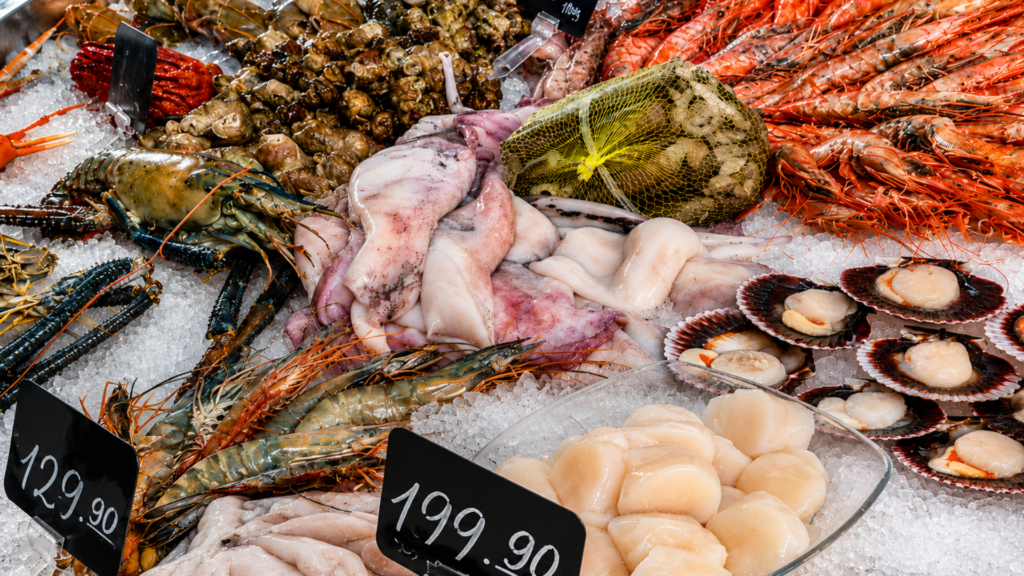
Fish and seafood prices are projected to rise 5.6% in 2026, with some estimates reaching as high as 7.5%, according to the USDA’s Economic Research Service. Rising fuel costs tied to shipping and transportation are compounding pressure on an already volatile category. Seafood counters have felt the strain longer than most, and this year’s forecast suggests relief is still a long way off for consumers craving salmon or shrimp.
Soda and Milk Prices Head Toward a 5.7% Increase
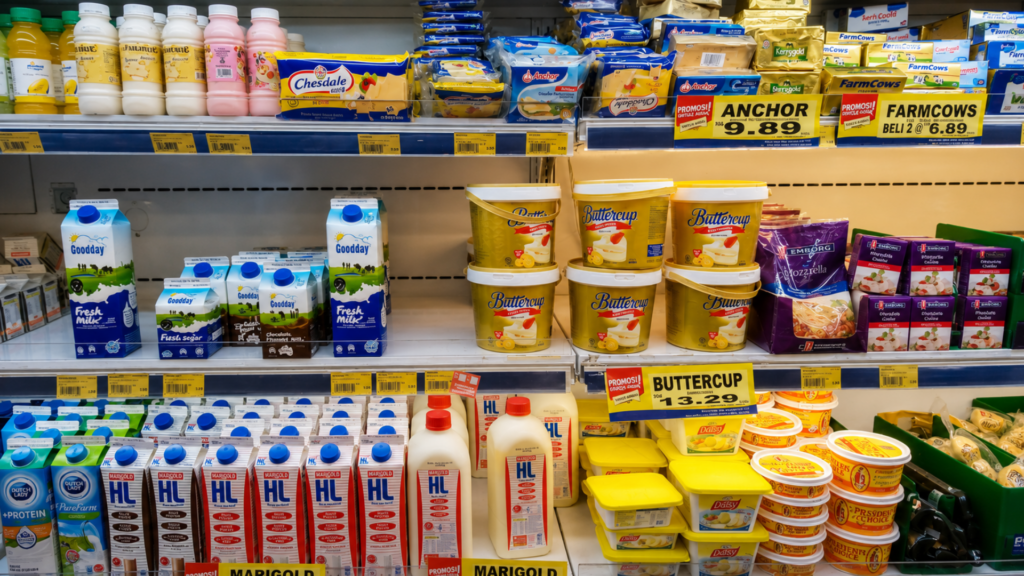
Nonalcoholic beverages are projected to climb 5.7% in 2026, and possibly as high as 7.5%. A two liter bottle of soda is expected to rise from $2.20 to $2.32. Whole milk faces one of the sharpest jumps on this list, climbing from $4.22 to $4.46 per gallon, with a possible ceiling near $4.53. Families stocking up on drinks for the week are about to feel it at checkout.
Sugar and Sweets Prices Set for a 6.9% Surge
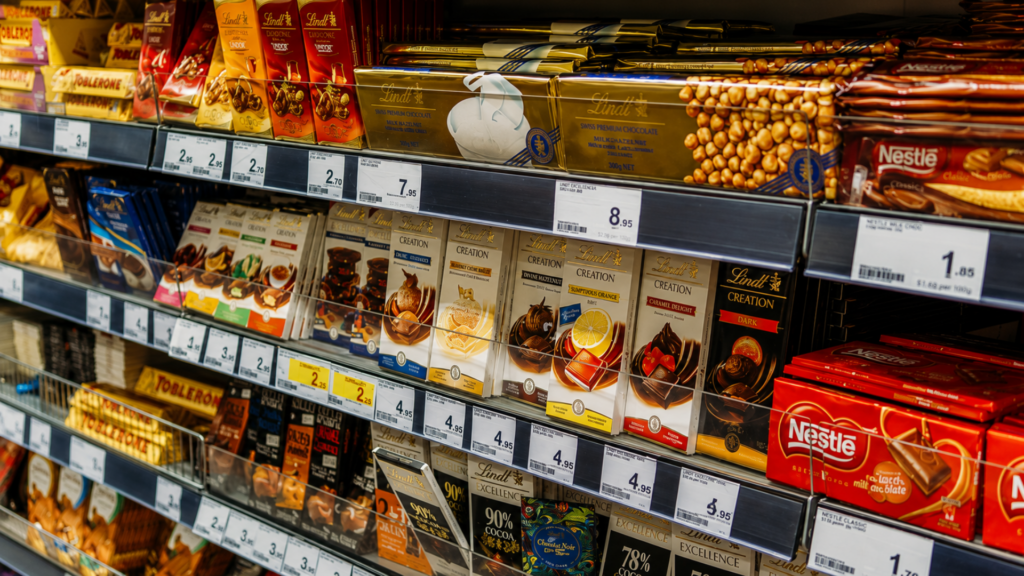
Sugar and sweets are projected to rise 6.9% in 2026, with estimates reaching as high as 8.7%, among the steepest increases USDA tracked. A pound of sugar is expected to climb from $1.03 to $1.11. Ice cream faces a similar squeeze, rising from $6.05 to $6.46 per half gallon, and possibly as high as $6.57. Only two categories on this list are projected to climb even faster.
Beef and Veal Prices Could Jump More Than 12%
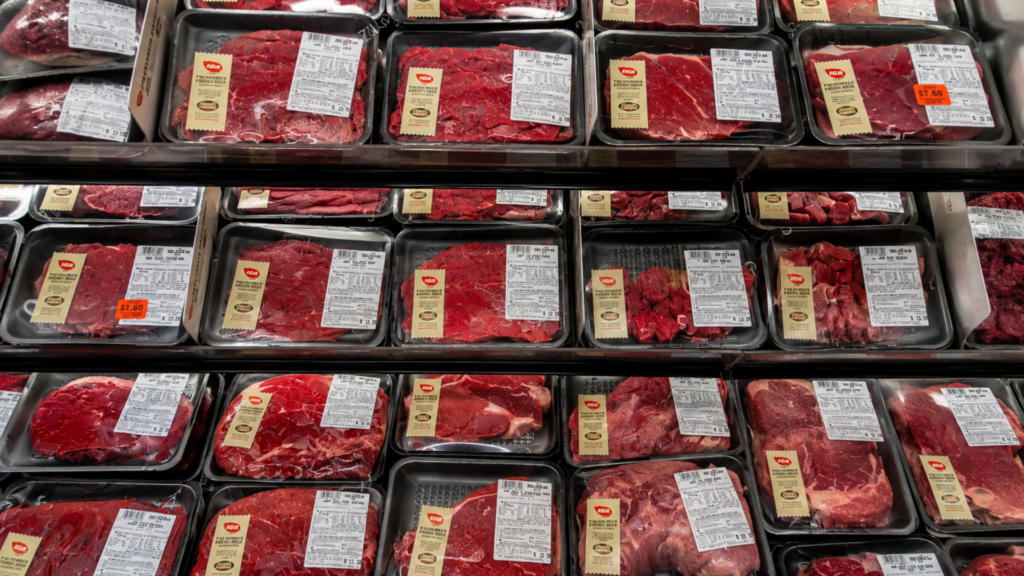
Beef and veal prices are projected to rise 7.5% in 2026, with USDA’s upper estimate reaching a striking 12.2%. Ground beef, already a strained household budget item, is expected to climb from $14.27 to $15.34 per pound. USDA choice sirloin steak faces the same trajectory, potentially reaching $16.02 per pound. Cattle herds remain historically small, and that scarcity is driving one of the year’s sharpest grocery increases.
Fresh Vegetables Top the List With an 11% Price Ceiling
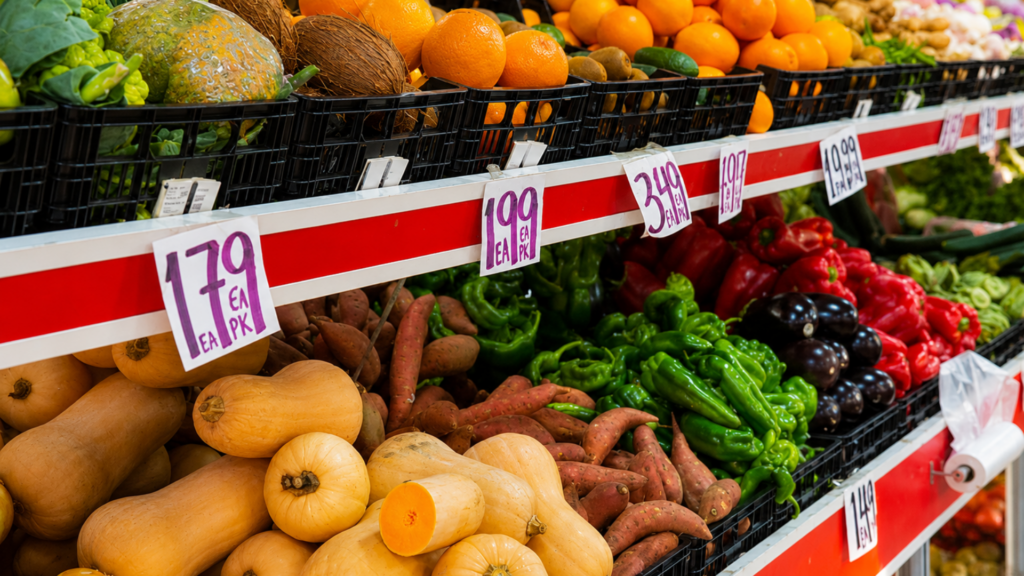
Fresh vegetables claim the top spot, projected to rise 7.7% in 2026 and possibly as high as 11.1%, the steepest range USDA identified. Tomatoes are expected to climb from $2.49 to $2.68 per pound, with an upper estimate of $2.77. Iceberg lettuce faces a similar path, rising from $1.96 to $2.12 per pound and potentially reaching $2.18. Salads and side dishes are about to cost noticeably more this year.
Grocery Shoppers Should Brace for a Costlier Year Ahead
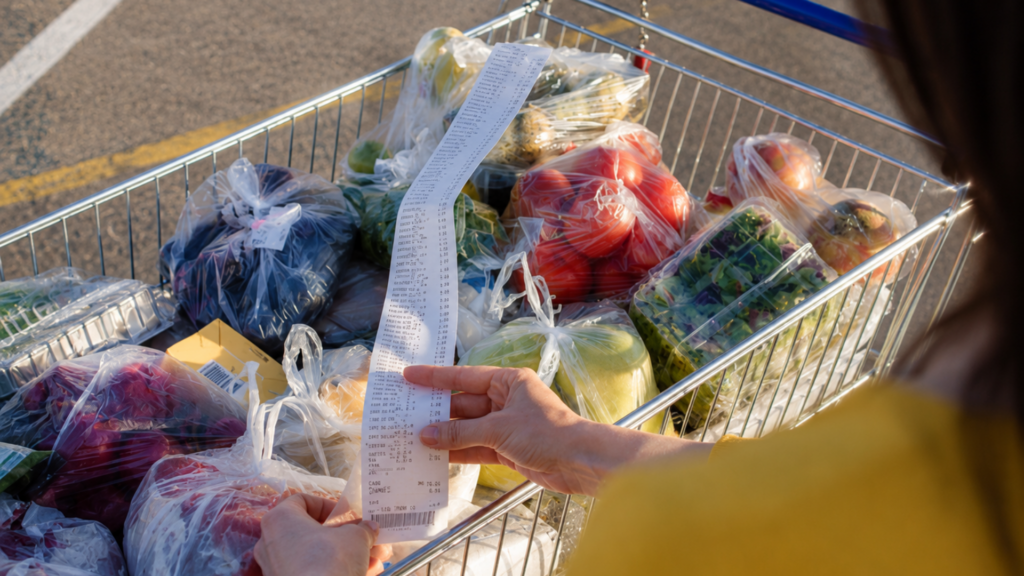
Ten categories, one clear pattern: vegetables, beef, sugar, and beverages are driving this year’s grocery inflation, while poultry and pork offer comparatively modest relief. 61% of Americans have already changed their grocery purchases to manage rising costs, according to a CNN poll. With drought, tight cattle supplies, and elevated fuel costs all converging, USDA’s projections point to a grocery bill that keeps climbing through the rest of 2026.
