

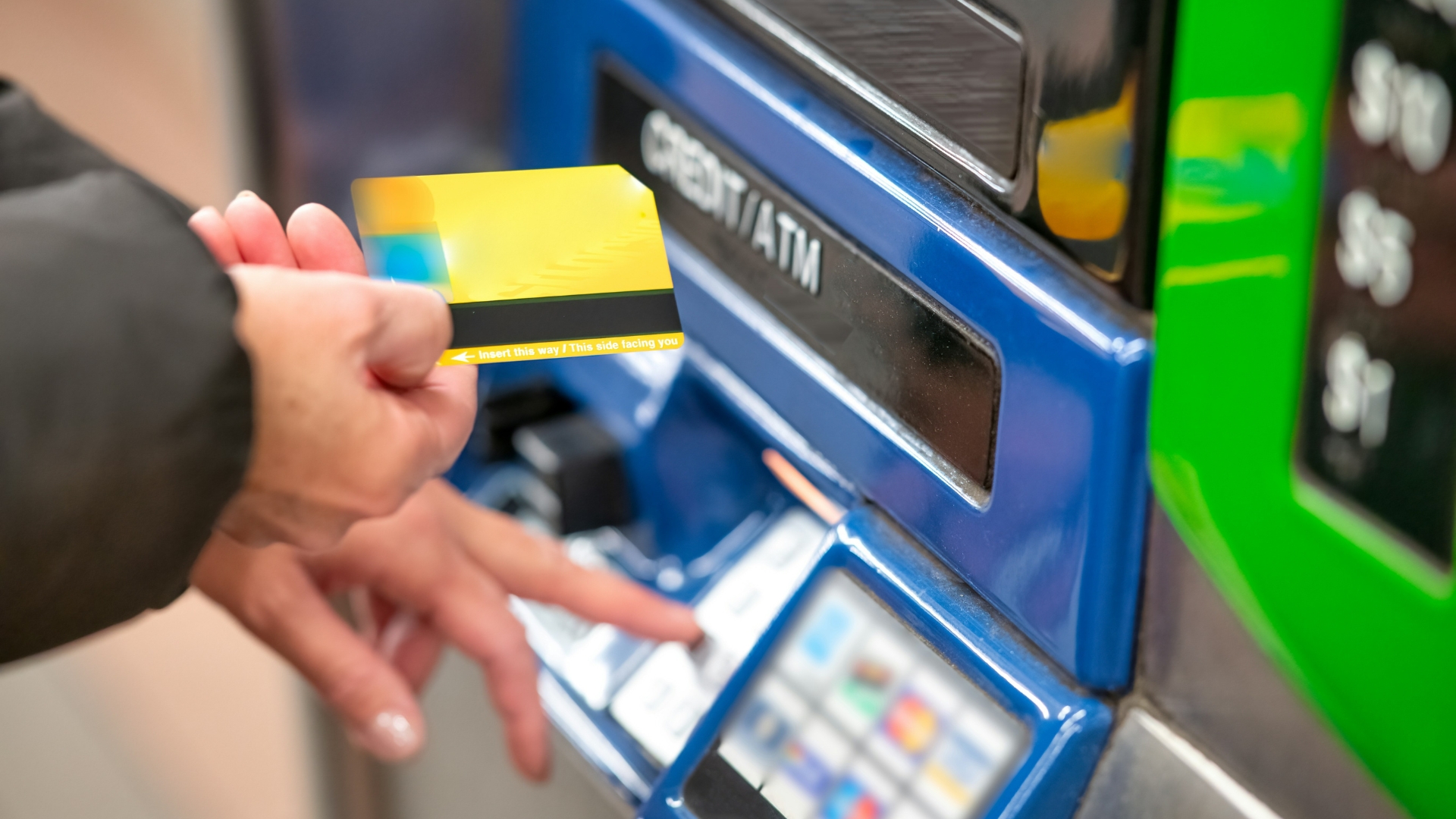
A stranger doesn’t need to touch your wallet to empty your bank account. At gas pumps and ATMs across the country, thieves are attaching hidden devices that copy card data the instant it’s swiped or inserted, and the transaction still goes through as if nothing happened. The FBI estimates skimming drains roughly $1 billion from consumers and banks every year, and federal agents say the threat isn’t fading. It’s hiding at the machine you’ll use today.
The Hidden Device That Reads Your Card Before the Real Machine Does
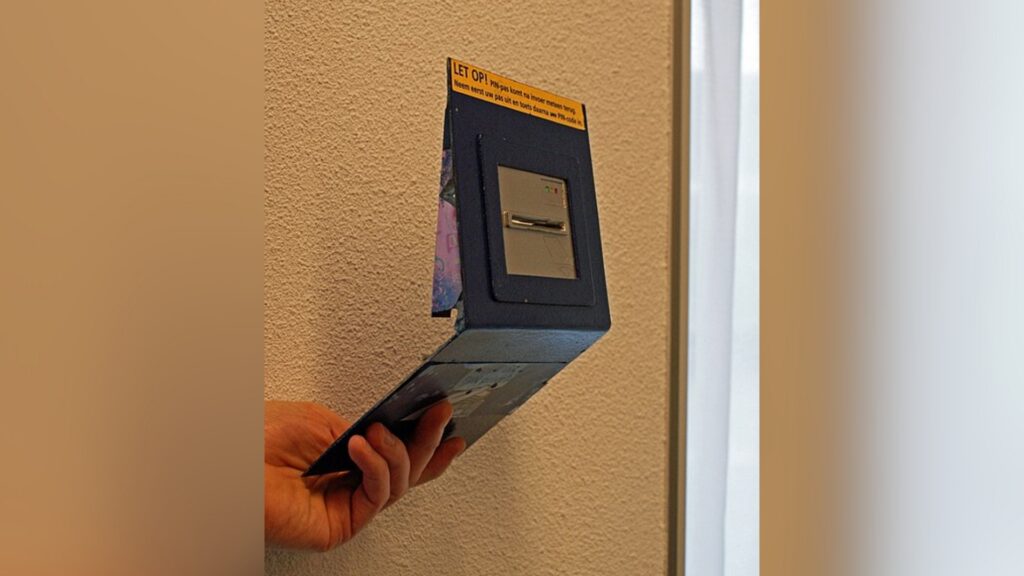
A skimmer is a small device built to read the same magnetic stripe data a legitimate card reader collects. Criminals fit it directly over or inside the real slot, so a card passes through the fake hardware before it ever reaches the machine underneath. The pump still dispenses fuel. The ATM still counts out cash. Nothing on the screen signals that a second, unauthorized reader just logged the card number, and the thief never has to approach the victim.
A Pinhole Camera or Fake Keypad Captures the PIN Too
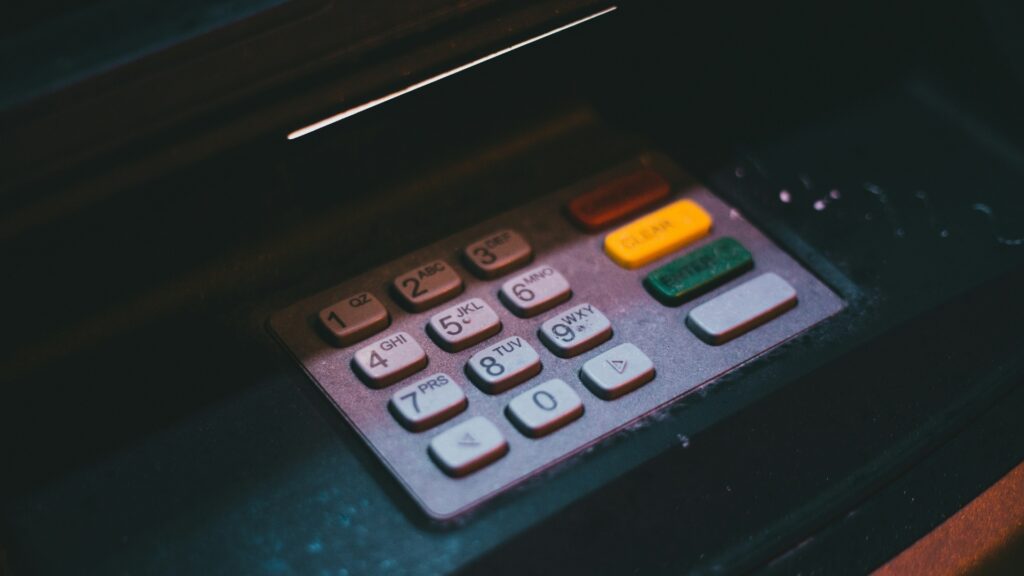
Card numbers alone aren’t enough to drain an ATM account, so criminals pair the skimmer with a way to steal the PIN. Some plant a pinhole camera angled at the keypad, small enough to hide in a brochure holder or fake panel above the screen. Others fit a thin overlay directly onto the real keypad, recording every digit pressed. Between the two devices, a thief walks away with a fully clonable card and the code needed to access it.
Secret Service Agent: ‘It’s a Crime’ Targeting Everyone
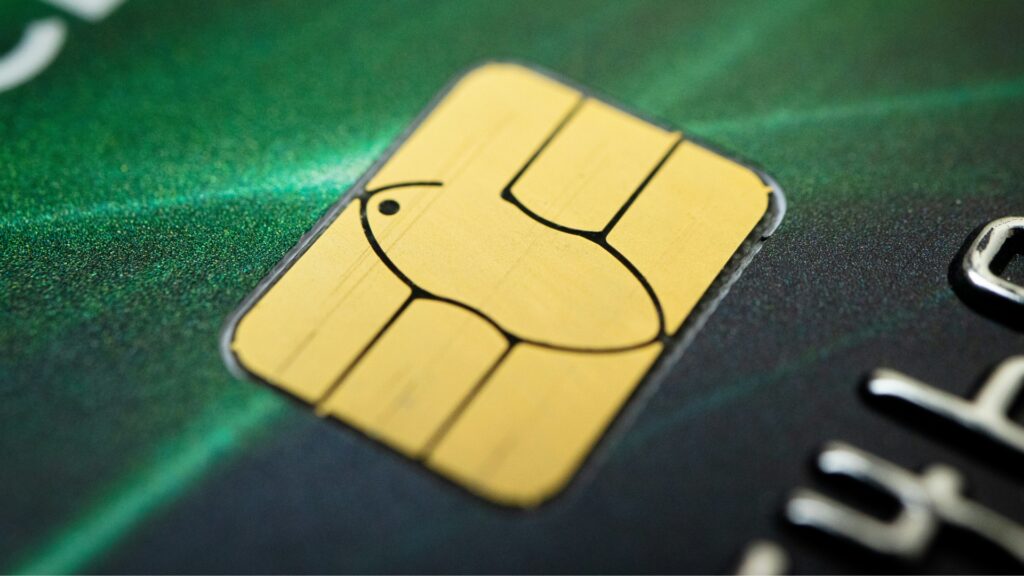
In February 2026, the U.S. Secret Service confirmed the scam is still widespread, not an isolated problem. “It’s a crime where someone is stealing the numbers from your card specifically to then defraud you,” said Michael Peck, assistant special agent in charge at the agency, according to InvestigateTV. He said criminals hide one device inside the ATM or pump and a second outside to grab both the card number and PIN.
Nearly $500 Million in Fraud Stopped, But the Threat Isn’t Slowing
The scale is larger than most shoppers realize. Peck said recent Secret Service operations alone stopped nearly half a billion dollars in potential fraud losses, calling skimming “an epidemic across the country.” The theft doesn’t stop at credit cards. Peck noted stolen data is also used to drain government benefit accounts, a form of fraud that hits lower-income families especially hard. Tourist-heavy areas, agents warn, remain a particular hot spot for planted devices.
Loose Parts, Tape or Glue Residue Are the First Red Flags
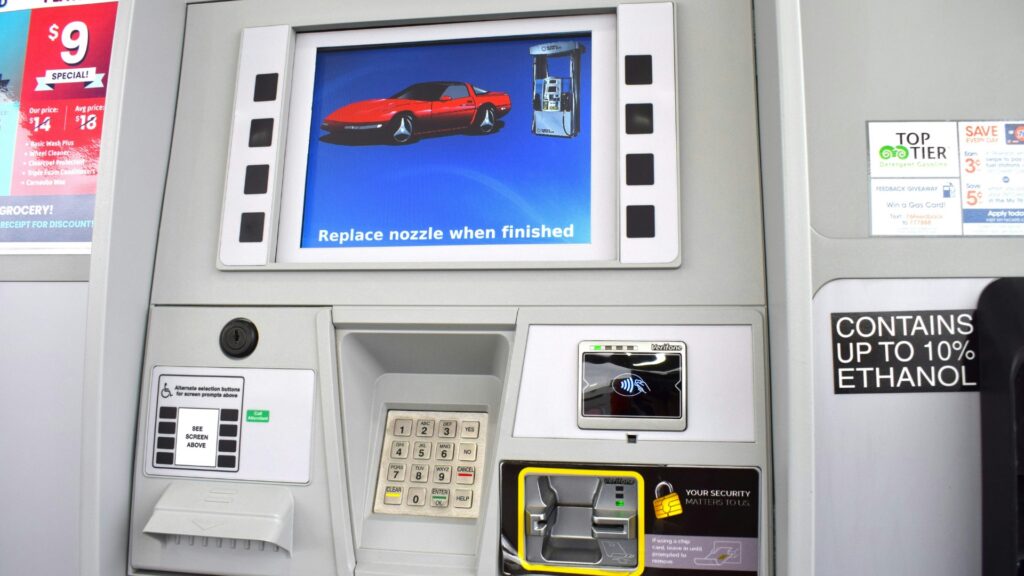
The most effective defense happens before a card ever touches the reader. A slot that looks bulky, crooked, or noticeably different from the machine next to it is a warning sign of an overlay device fitted on top of the real one. Parts that wiggle, feel loose, or appear to be held on with tape or glue residue point to the same problem, since a factory-installed reader shouldn’t move. A firm tug can expose a fake attachment instantly.
A Broken ‘Void’ Seal Means the Panel Was Already Opened
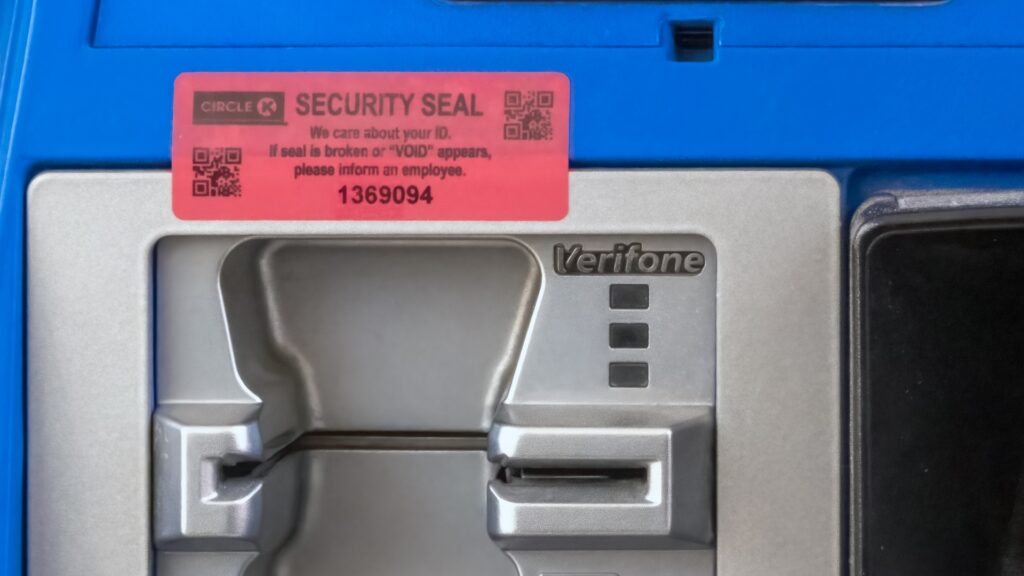
Gas stations often place a tamper-evident sticker over the panel that covers a pump’s internal wiring, and that seal doubles as a built-in alarm. If it’s torn, peeling, or stamped with the word “void,” the panel has likely already been opened. The FBI also recommends paying inside with an attendant rather than at an isolated pump, since skimmers are typically installed where no one is watching. A machine near the entrance cuts that opportunity.
Chip Cards and Tap-to-Pay Cut Risk, But Don’t Eliminate It
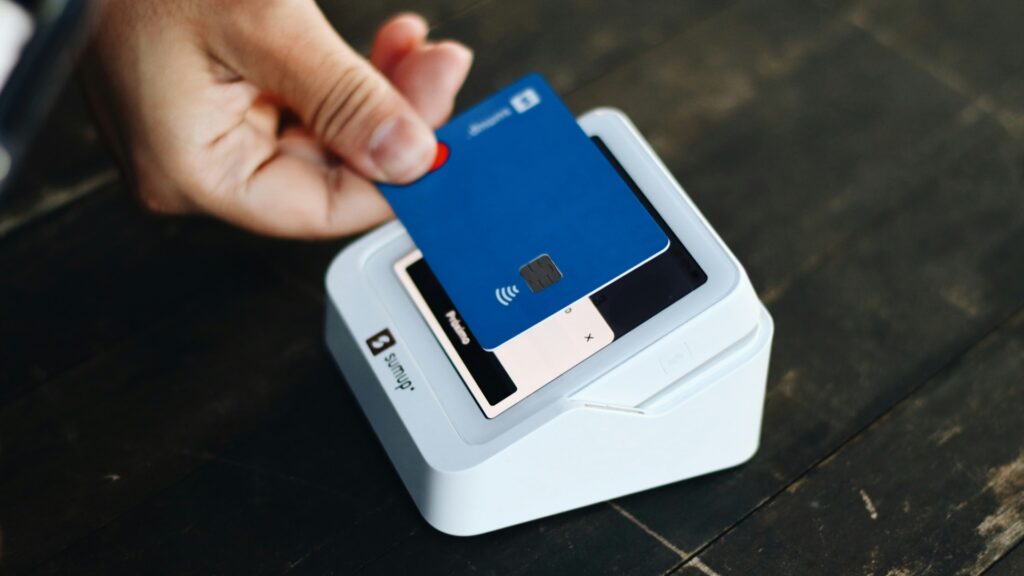
Chip and contactless technology raise the bar, but they don’t make skimming impossible. Traditional magnetic-stripe skimmers can’t read a chip, which is why chip transactions offer real protection over swiping. Criminals have adapted with “shimmers,” thinner devices fitted inside the slot to capture chip data instead. Tap-to-pay is the strongest option at most terminals today, since the card never makes contact with the reader at all, though no method is completely risk-free.
Acting Fast After a Skim Can Save Your Account
Because a skimmer can sit on a machine for days before anyone notices, catching the theft early matters as much as spotting the device. Reviewing bank and card statements often, and turning on real-time transaction alerts, gives victims the fastest chance to catch unauthorized charges. Anyone who spots fraud should contact their card issuer immediately to limit further losses, then file a report at reportfraud.ftc.gov so investigators can track the pattern.
The Defense Against Skimmers Costs Nothing but a Few Seconds
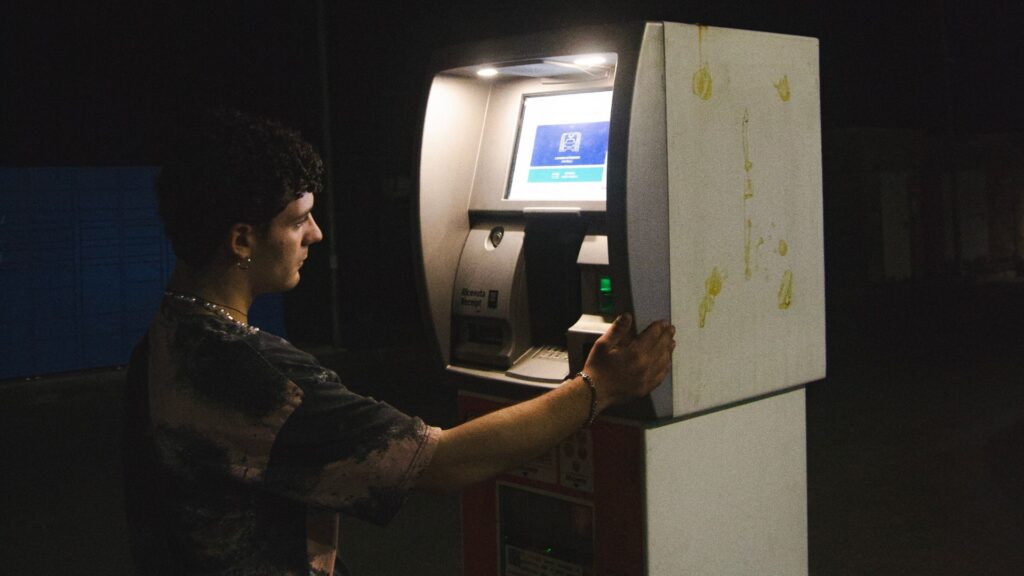
Skimming survives because it’s cheap to set up and nearly invisible in the moment, not because it’s sophisticated. Every documented case still comes down to a physical object bolted onto a machine, and physical objects can be checked. A few seconds examining a reader, a hand cupped over the keypad, and a habit of scanning statements closes off the opportunity thieves depend on. The tell is almost always there. Most people just never think to look for it.
