

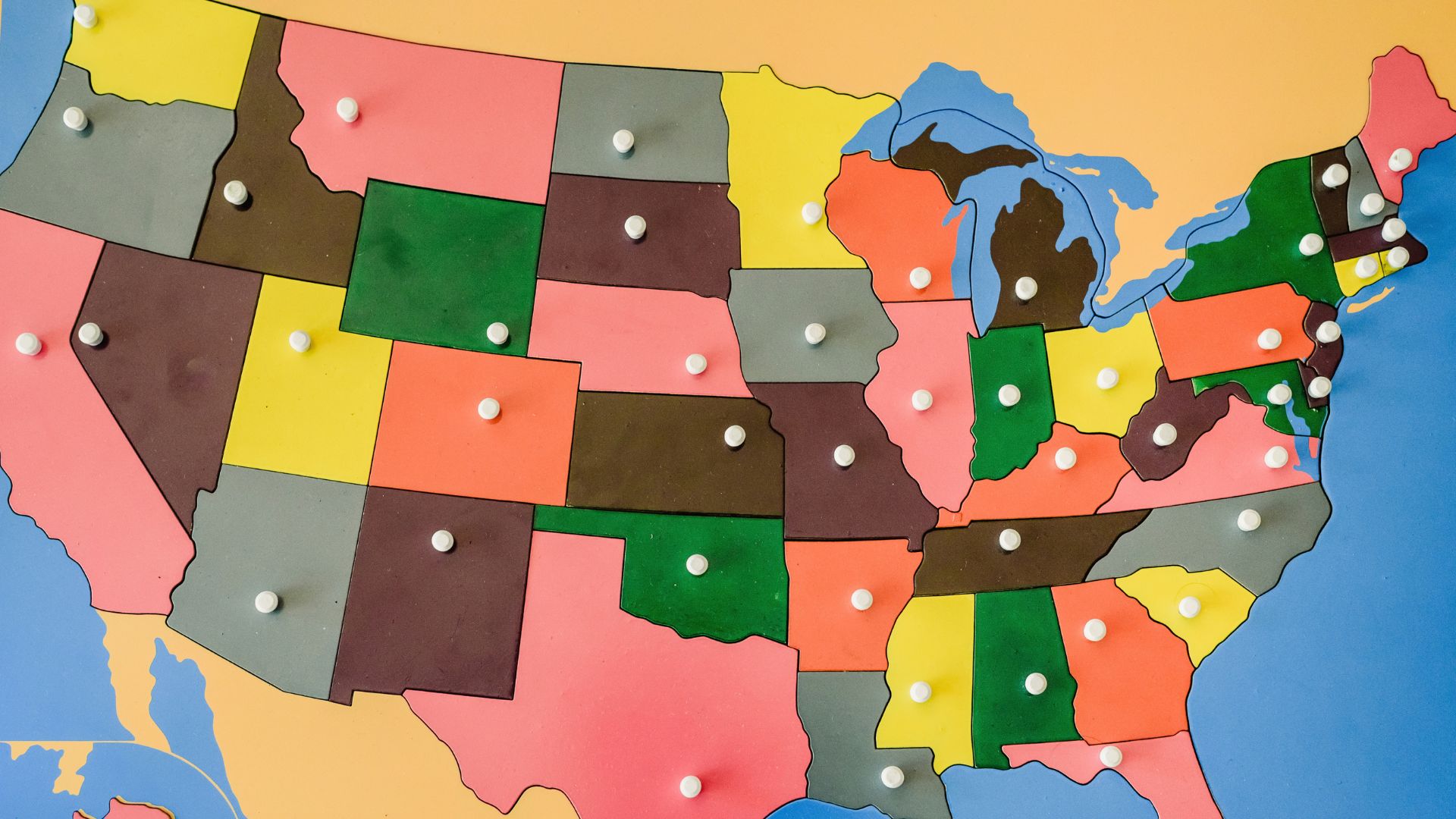
The Bureau of Economic Analysis, part of the Commerce Department, reported that economies grew in 46 states during the first quarter of 2026. One posted an annualized rate of 4.5 percent, while a handful of others shrank. That release also came with the agency’s final national growth estimate, covering the same three months.
Washington State Takes the Top Spot
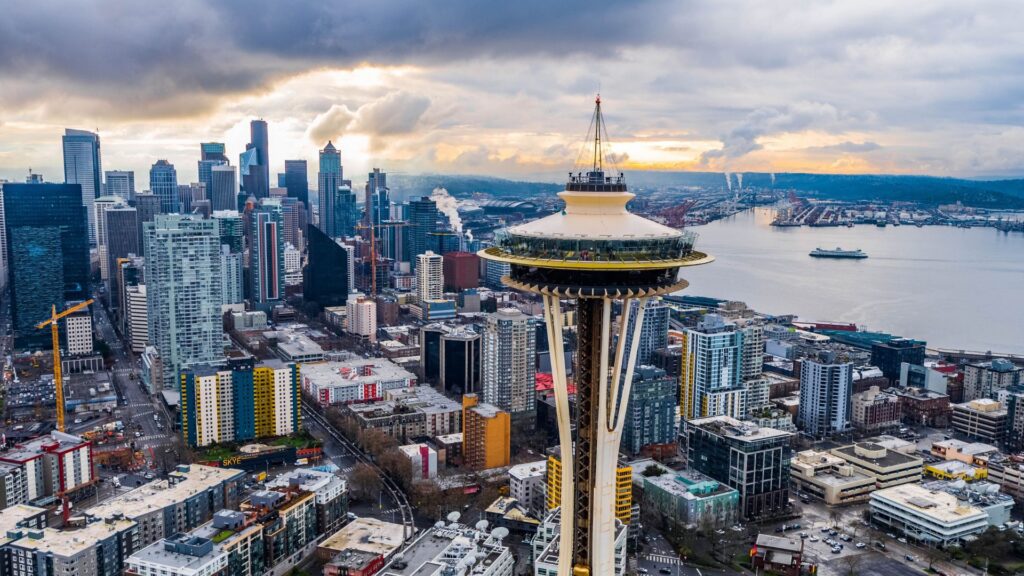
Washington took the top spot among the 46 states where real GDP grew in the first quarter, posting annualized growth of 4.5 percent. A quarter earlier, at the end of 2025, its economy had contracted 0.4 percent. The agency said the turnaround came largely from growth in the state’s information sector, which covers tech firms, telecom providers, media groups and publishers.
The Far West Pulls Ahead

California, New Mexico, Nevada, and Utah also grew at rates well above the national pace, according to the Commerce Department data. Zoom out to regions, and the Far West stands apart, with the agency finding that it saw by far the strongest growth in the first quarter, averaging 3.6 percent. Washington’s 4.5 percent still stands as the highest single-state figure, ahead of that regional average.
Three States Shrank and One Stood Still
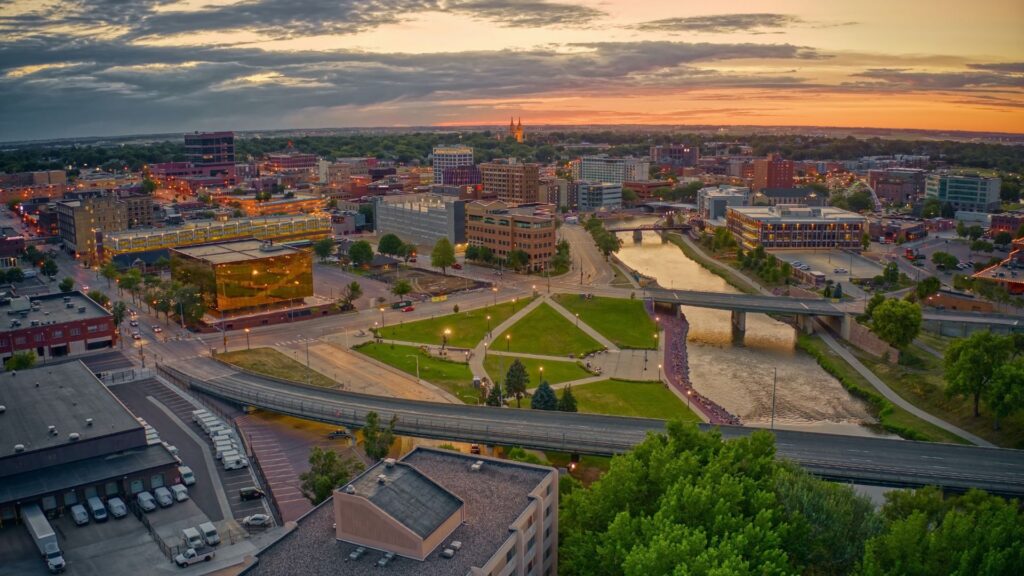
On the other end of the list, South Dakota, Nebraska, and Iowa saw real GDP decline in the first quarter, while Delaware’s stayed flat. Those four posted the weakest results in the data, set against 4.5 percent growth at the top and growth in 46 states. Personal income and earnings, meanwhile, rose in nearly every state during the quarter, the agency reported.
The Nation Grew 2.1 Percent
Nationally, the economy expanded 2.1 percent in the first quarter, up from 0.5 percent in the fourth quarter of 2025, according to the agency. Newsweek characterized economic output as erratic under President Donald Trump, dipping into contraction at the start of 2025 before recovering. The agency released the national estimate together with the state figures, so both cover the same period.
What Drove the First-Quarter Gains
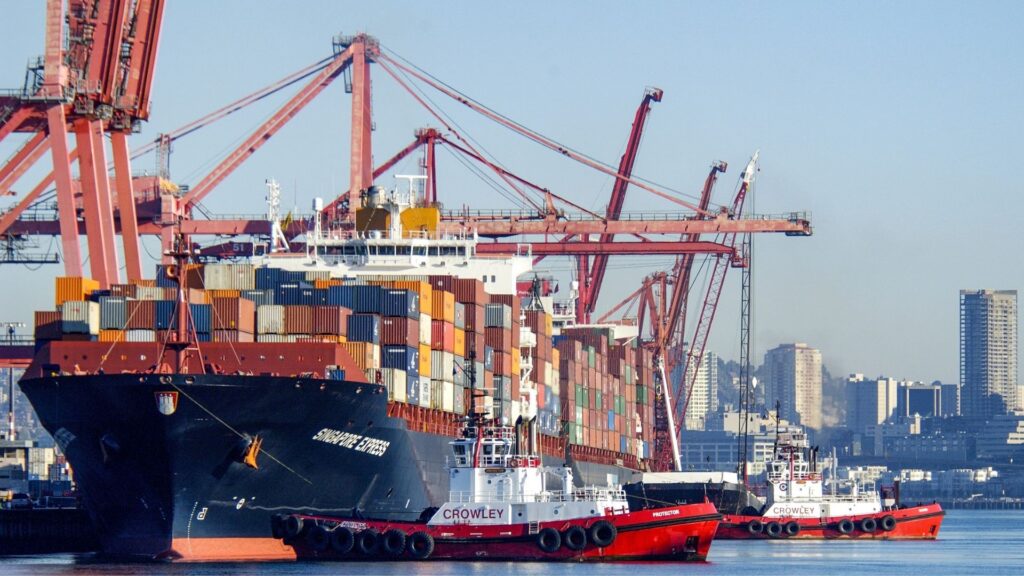
The Bureau of Economic Analysis pointed to several factors behind the first-quarter improvement, including increased investment and exports, higher imports that offset only part of that gain, and greater government and consumer spending. Newsweek noted that consumer spending in particular has held strong in recent months, even with an expected drag from the war in Iran and rising fuel costs.
Why the Estimate Moved Up
The 2.1 percent figure is a step up from the agency’s previous estimate of 1.6 percent, a difference of 0.5 percentage points. It comes from the third and final estimate for the quarter. The agency attributed the change to a downward revision in imports, which was “partly offset by a downward revision to consumer spending.” Both revisions feed into the first-quarter total.
Bessent Sees a Three in Front
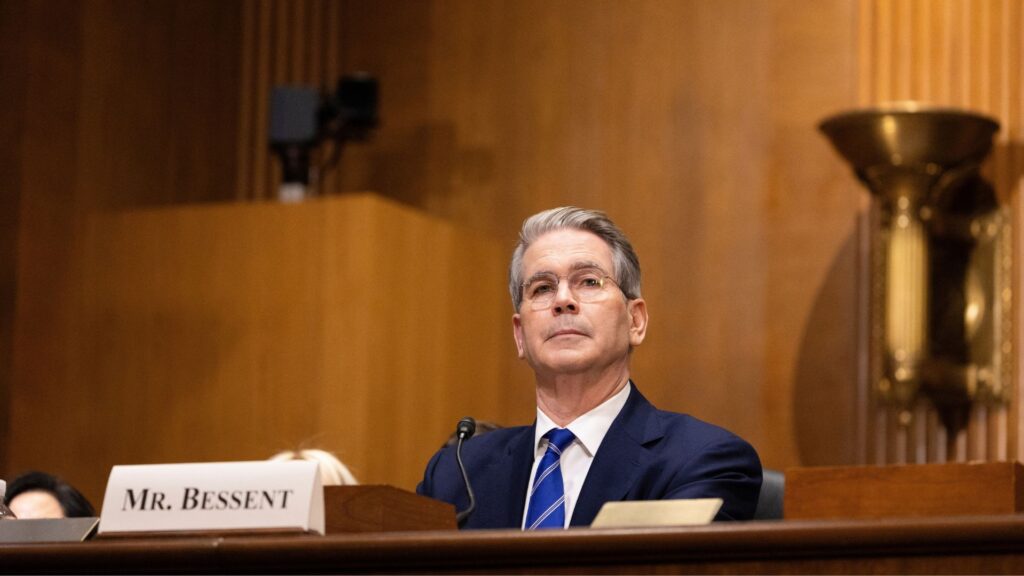
“We can have something with a three in front of it this year,” Treasury Secretary Scott Bessent told CNBC’s “Squawk Box.” He expressed optimism that the economy was on track for 3 percent annualized growth by the end of the year, in part because hostilities between the U.S. and Iran were winding down. Bessent also said the underlying economy has been strong.
Vanguard Looks Out to 2027
Vanguard’s economists are sticking with a forecast of 3 percent growth in 2027, according to a note they released. They described the outlook as reflecting “a structural transformation rather than a cyclical acceleration.” They also cited data showing AI-related capital expenditures are expected to exceed 2025 levels this year. In their view, artificial intelligence points to an early-stage shift that could reshape productivity over the next decade.
The $765 Billion AI Bet

Goldman Sachs puts AI-related spending at $765 billion this year, equivalent to more than 2 percent of the entire economy, and forecasts it will reach $1.6 trillion by 2031. Vanguard economists compared that wave of investment to earlier periods of large-scale capital expansion, including the 19th-century railroad buildout and the late-1990s technology boom. They wrote that the cycle is “ramping up faster than expected.”
