
Roughly 9.5 million Americans are now in default on their federal student loans, the highest total on record, according to data from the Office of Federal Student Aid. That works out to about one in five federal borrowers. Default kicks in once someone falls more than 270 days, or roughly nine months, behind on payments, a threshold reported by both Fox Business and the Los Angeles Times covering the surge.
The jump has been steep. In March 2025, not long after pandemic-era protections had ended, 5.3 million borrowers were already in default. Today’s total of 9.5 million is nearly double that number, according to Fox Business and the Los Angeles Times, both of which cited the Office of Federal Student Aid. The two outlets independently arrived at the same total using the agency’s own figures.
The dollar figures are just as striking. Federal student debt nationwide now totals $1.7 trillion, and $233.3 billion of it, roughly 14% of the total, is now in default. Both Fox Business and the Los Angeles Times cited the same source for that figure, the Office of Federal Student Aid. That’s money the government now considers seriously delinquent and at risk of further collection action.
How a Pandemic-Era Pause Led to a Wave of Defaults
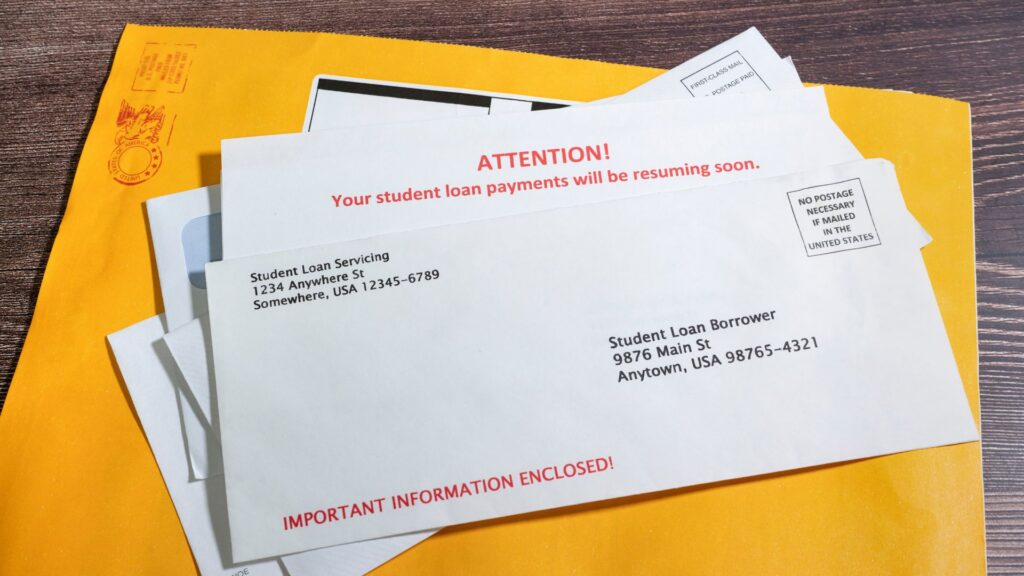
The surge started as pandemic relief wound down. Bills came due again in 2023, but the Biden administration held off default for another year, pushing the real cutoff into the fall of 2024, the Los Angeles Times reported. Fox Business pegged the formal end of the Biden-era pause at January 2024. Either way, loans stayed shielded from default during that stretch, and federal forgiveness programs brought many borrowers back into good standing.
Once that extension expired in September 2024, the 270-day countdown to default began ticking for millions of borrowers. That clock ran out in June 2025, and defaults have piled up ever since, the Los Angeles Times reported. In just over a year, that clock has driven a sharp climb in defaults, pushing more than four million additional borrowers into that status, according to Fox Business.
Falling into default has real consequences. A credit score can take a hit after just a few missed payments, and default raises the stakes, opening the door to wage garnishment or reduced Social Security benefits, the Los Angeles Times reported. Advocates say despair is growing among affected borrowers. So far, the Trump administration has held off on those penalties, with the Education Department delaying a planned resumption of garnishment until January, according to Fox Business.
Where Defaults Are Hitting Hardest
Default rates vary sharply by region, and the South has been hit hardest, home to seven of the 15 states with the worst default rates. An Associated Press analysis found Mississippi’s rate is the worst in the nation at 28.3%, a figure cited by both outlets. Louisiana, Alabama, West Virginia, Oklahoma, Georgia, South Carolina and Texas also land among the top 15, alongside Alaska, Arizona, Ohio, Indiana, Michigan, New Mexico and Nevada.
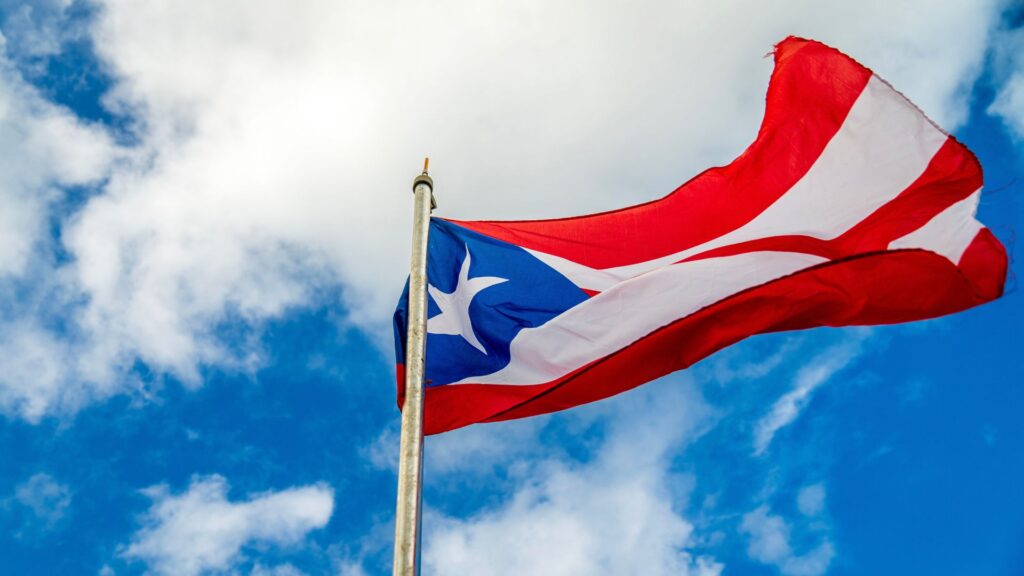
No state tops Puerto Rico, though. The territory’s default rate sits at 30.9%, worse than anywhere else in the country, the Los Angeles Times reported. California, meanwhile, lands far down the list at 36th among states, according to the same reporting. Even there, though, hundreds of thousands are still struggling: 730,000 borrowers, or 18.6% of the state’s total, were in default during the second quarter.
Trump won every one of the 15 states with the highest default rates in 2024 except New Mexico, the Los Angeles Times found. That runs counter to assumptions about who’s struggling most, said Aissa Canchola Bañez, policy director for the advocacy group Protect Borrowers. “These are folks who live in states that President Trump won in the previous election,” she said, adding that many are working-class borrowers struggling to keep up.
New Rules and For-Profit Schools Add to the Strain

More pressure may be coming. Fox Business reported that a federal appeals court struck down the SAVE Plan, a Biden-era program that had cut monthly bills for 7.5 million enrollees. Republican attorneys general brought the case, and the Trump Justice Department backed their push, asking courts to kill the plan and cutting deals with plaintiff states including Missouri. Millions of former SAVE enrollees will now face higher monthly bills, according to the Los Angeles Times.
Some borrowers struggle more than others. Nearly a third, 33%, of borrowers from for-profit colleges are at least three months late on payments, more than double the share among public-school borrowers, per Office of Federal Student Aid data cited by the Los Angeles Times. Of schools in the worst quarter for nonpayment, 76% were for-profit, and the agency has said a high nonpayment rate means a “serious risk” of rising defaults.
The industry says it’s paying attention. Career Education Colleges and Universities, a trade group, launched a student outreach effort aimed at driving home how important repayment is, the Los Angeles Times reported. Jason Altmire, the group’s head, said, “We take it seriously. It’s a real problem.” New borrowers must now choose between one standard plan and one income-driven option, part of Education Department changes meant to fix a “fragmented and confusing” system.
