

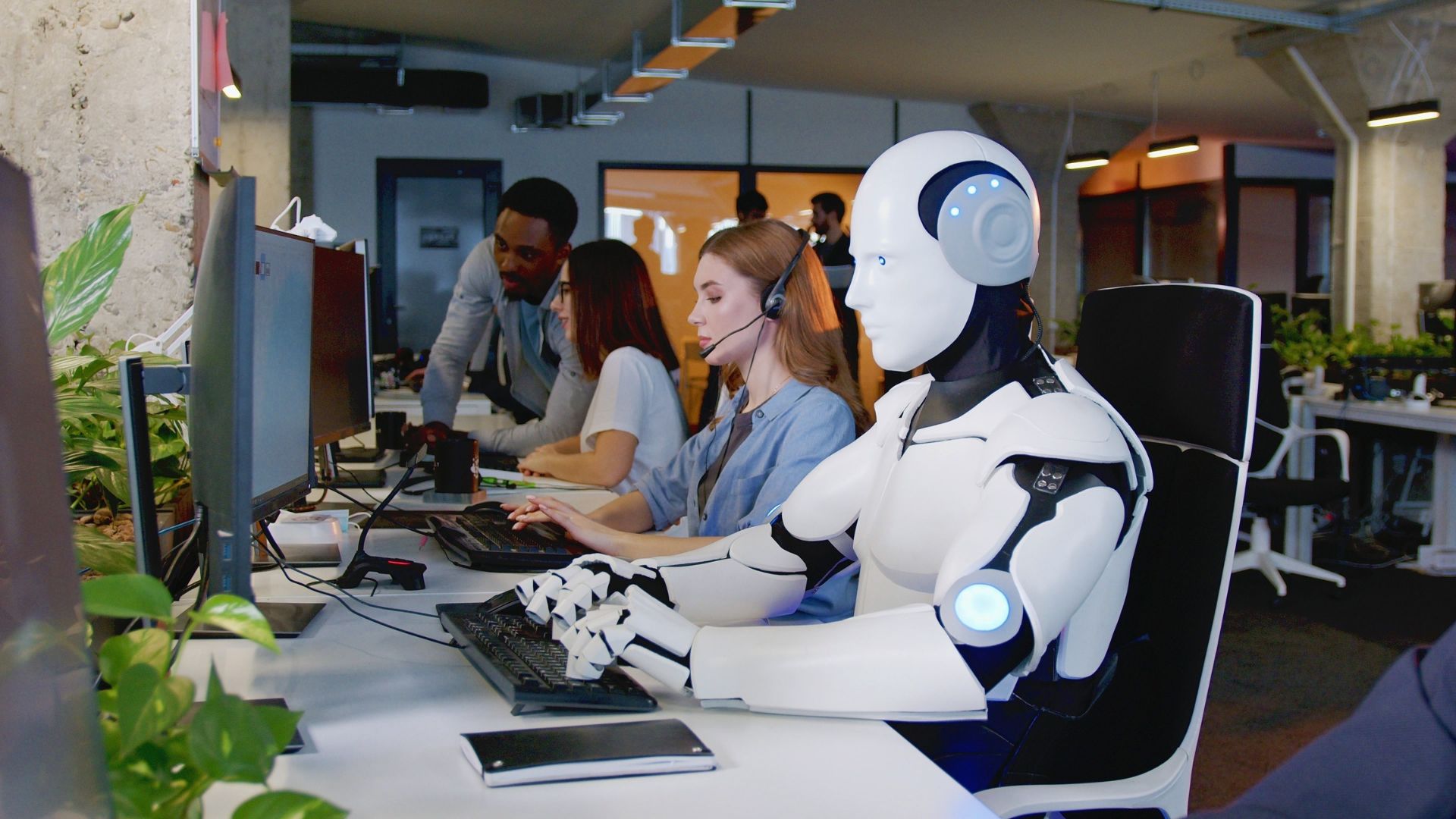
A court in Hangzhou, China, has ruled that companies cannot fire employees simply to replace them with artificial intelligence, a decision that adds to a growing global conversation about what AI means for workers. At the center of it is one worker named Zhou, a quality assurance professional whose job was to review AI-generated content until his employer decided an AI system could do his job instead.
Zhou was offered a demotion and a 40 percent pay cut when the company automated his role. He refused and was terminated with a severance package of roughly $45,000. Unsatisfied, he pushed back through government arbitration, which sided with him. The company then filed suit with a lower district court, lost again, and appealed to the Hangzhou Intermediate People’s Court, which upheld both prior decisions.
The company’s decision to automate did not constitute business downsizing or operational difficulty, and did not meet the legal standard that made it “impossible to continue the employment contract,” the court said in a statement. In other words, replacing someone with a machine is not, on its own, a legal reason to let them go.
How the Case Unfolded, and Why It Reached This Court

Zhou had been hired in 2022 specifically to oversee the accuracy of large language model outputs at his tech company. By 2025, the company decided that the task could be handled by an LLM itself. When he declined a reassignment and pay reduction, the company terminated him, and the case moved through arbitration and two courts.
Wang Xuyang, a lawyer from Zhejiang Xingjing law firm, told Xinhua that “technological progress may be irreversible, but it cannot exist outside a legal framework.” The court echoed that in a separate statement, noting that companies cannot unilaterally reduce salaries or terminate workers simply because a technology has made their role easier to automate.
This ruling was not the first of its kind. In December, a separate Chinese court found that AI implementation did not meet the legal threshold for a mapping company to terminate one of its employees. The Hangzhou ruling builds on that earlier case, and observers may see the two decisions as movement within the Chinese judiciary, though no binding precedent formally connects them.
A Balancing Act Between AI Growth and Worker Protection
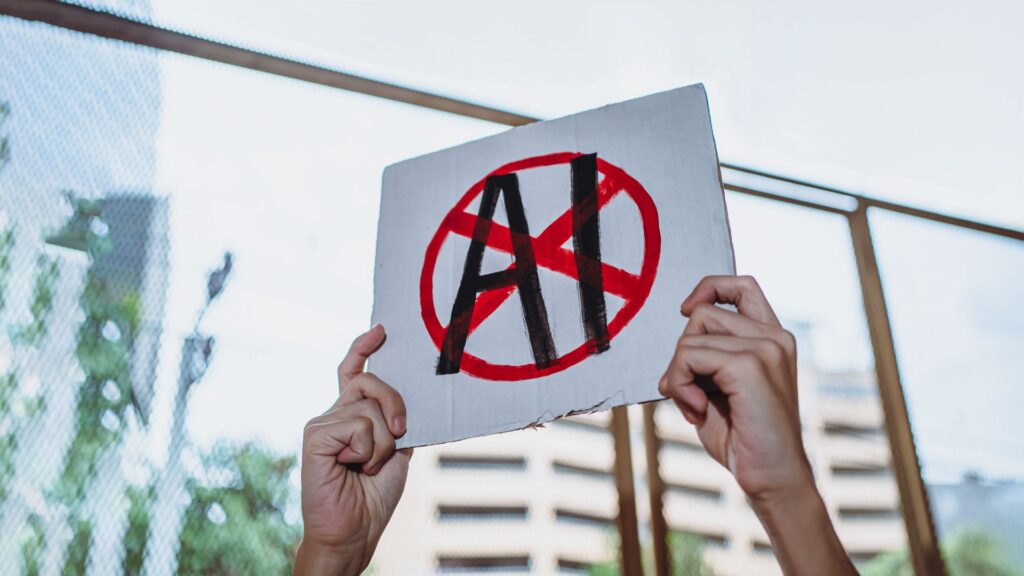
China is simultaneously prioritizing AI development as a national goal and signaling a commitment to labor market stability. Chinese companies have been moving rapidly to implement AI systems as part of a state-directed effort to lead in the technology. At the same time, the country is managing a slowing economy and elevated youth unemployment, pressures that make mass job displacement a politically sensitive issue.
CCP planners have indicated a willingness to prioritize labor market stability even as AI adoption accelerates. That position puts the Zhou ruling in a broader context: courts and policymakers appear to be drawing boundaries around how quickly companies can restructure their workforces around AI, at least within China’s legal system.
It is worth noting that China operates under a civil law system, which means courts are not bound by precedent the way they are in common law countries like the United States or the United Kingdom. The legal principle of stare decisis, which requires courts to follow prior rulings, does not apply in China. So while the Zhou ruling carries meaningful weight, it does not automatically bind future courts.
What This Means Beyond China
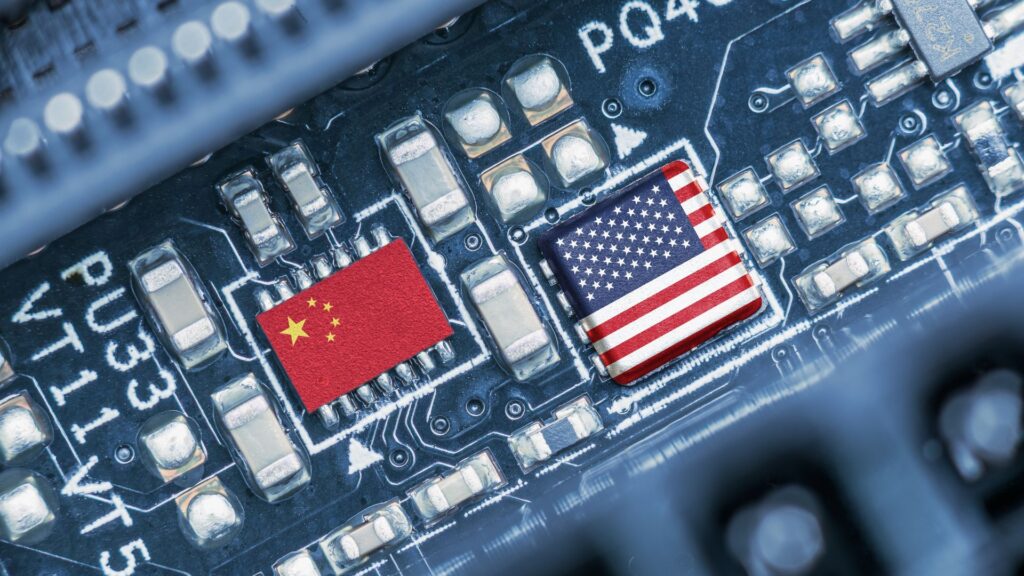
In much of the Western world, workers facing AI-driven job losses have few formal legal protections specifically tied to automation. The Zhou case is a reminder that the legal framework surrounding AI displacement is still being written, and different countries are approaching it very differently. China’s courts have now twice signaled that AI adoption, however inevitable, cannot override employment contracts without meeting a high legal bar.
Whether that kind of judicial thinking takes hold elsewhere is uncertain. The U.S. has no equivalent ruling, and unlike China’s civil law system, American courts operate under precedent, meaning a single significant ruling could carry far broader legal weight.
For Zhou, the outcome was a personal win. His severance dispute was resolved in his favor at every stage of the legal process. But the broader significance may lie in what the ruling represents: a court drawing a legal boundary around the practice of replacing workers with AI, something many companies worldwide are pursuing with little friction.
